


Sun Protection Driving Gloves: Ultimate Hand Care 2026
You protect your face every morning. Do you protect the part of your body that often announces sun damage first?
For many patients, the blind spot isn't the forehead or cheeks. It's the hands, especially during routine driving. Daily side-window exposure hits the same thin, high-motion skin again and again, and that's where I often see uneven tone, dark macules, rough texture, and a mismatch between a well-treated face and visibly photoaged hands.
If hyperpigmentation is the concern, hands can't be treated as an afterthought. Sun protection driving gloves are not a style accessory in that setting. They're part of a barrier strategy. If you're serious about preventing pigment recurrence, preserving collagen, and reducing cumulative UV stress on the hands and wrists, physical protection belongs in the protocol.
The Critical Flaw in Your Sun Protection Routine
It's common to build a facial routine and leave hands exposed. That mistake shows up later as dark spots, dullness, and creasing that no serum can fully outwork if UV exposure continues every day.
Hands are vulnerable for simple anatomical reasons. The skin is thinner, the area is in constant motion, and it's repeatedly exposed during driving, walking, and errands. Patients who are disciplined with facial sunscreen often forget that driving creates a reliable exposure pattern on the hands and wrists.
Why sunscreen alone usually fails on hands
Sunscreen on the hands sounds sufficient until real life interferes. You wash your hands. You grip a steering wheel. You touch bags, keys, phones, and door handles. Product transfer is constant, and coverage becomes inconsistent fast.
That's why physical barriers matter. A glove doesn't depend on perfect application thickness or flawless reapplication timing. It creates a repeatable layer of defense during one of the most common exposure windows in modern life: time in the car.
Practical rule: If you're treating hyperpigmentation anywhere on the body, protect the hands with the same seriousness you give the face.
There's also an environmental layer people overlook. Window protection can help reduce heat and protect car interior, but cabin comfort isn't the same as complete skin protection on exposed hands. You still need coverage at the body level.
For people who already use face and neck coverings outdoors, a broader barrier approach often makes the logic obvious. Resources on extended UV coverage, such as this guide to a sun protection balaclava, reinforce the same clinical principle: exposed edges are where prevention fails.
What this oversight costs biologically
On hands, repeated UV exposure doesn't just darken skin. It drives pigment signaling, weakens collagen support, and promotes a dry, creped surface that makes discoloration look worse. Once that cycle starts, many patients keep adding brightening products while leaving the trigger untouched.
That's the flaw. They're treating output while preserving input.
Featured Product
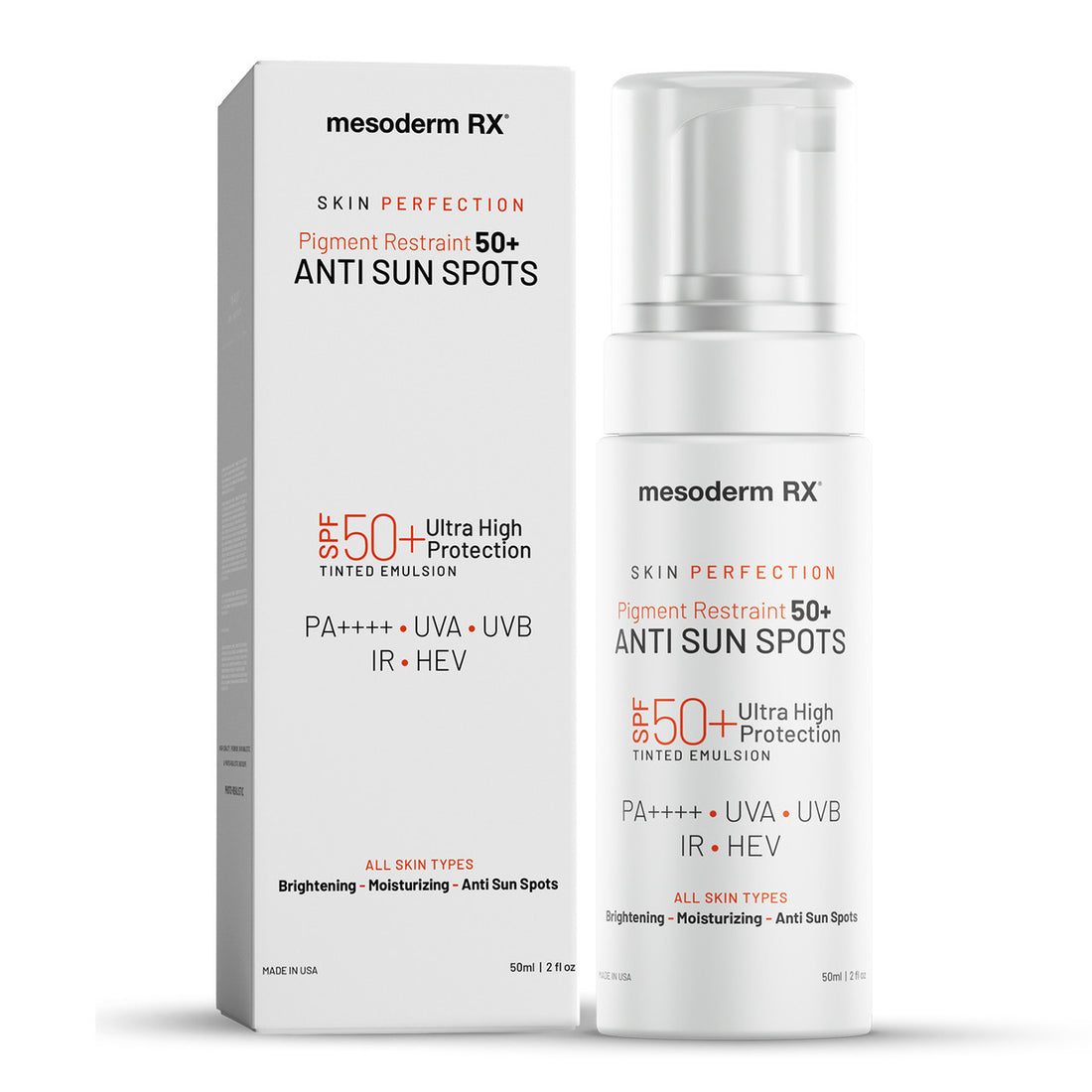
Pigment Restraint Ultra High Sun Protection
SHIELDS FROM UV DAMAGE AND SUN-INDUCED DARK SPOTS
Shop Now →The Biology of Sun Damaged Hands
Why do hands keep getting darker, thinner, and more creased even in patients who use brightening products and facial sunscreen every day?
Because hand photoaging is driven by several UV-induced pathways at once, and sunscreen alone rarely controls them with enough consistency. On the dorsal hands, repeated exposure stimulates melanocytes, increases oxidative stress, disrupts barrier function, and accelerates collagen loss. The visible result is familiar in clinic. Uneven brown patches, rough texture, prominent veins, and a creped surface that makes pigment look more pronounced.

What UVA does during driving
During driving, UVA is the main chronic exposure problem for hands. It penetrates further than UVB, passes through glass more readily, and contributes to both pigment persistence and dermal matrix injury. Side-window exposure is the weak point for many patients because the hand remains in one position for long periods, creating repeated irradiation of the same zones.
At the cellular level, that repeated UVA stress increases reactive oxygen species and pushes melanocytes to keep producing melanin through tyrosinase-linked pathways. In practical terms, even low-grade daily exposure can keep the skin in a pro-pigment state. This is one reason treatment stalls. Patients try to suppress pigment with topicals while allowing the trigger to continue for hours each week.
Not all dark marks are the same
“Sun spots” is a useful patient phrase, but it is not a diagnosis. The brown discoloration on hands can come from several processes, and they do not respond the same way.
- Solar lentigines reflect cumulative UV exposure and appear as discrete brown macules.
- Post-inflammatory hyperpigmentation follows irritation, eczema, friction, or minor injury.
- Melasma has a different biologic pattern and is less typical on the hands.
This distinction matters in treatment planning. A patient with lentigines needs strict UV control and targeted pigment correction. A patient with darker knuckles may also need to address friction and inflammation. If pigment is concentrated over joints, this guide on how to lighten dark knuckles gives useful context on why those areas behave differently.
Collagen loss and texture decline
Pigment is only part of the problem. Chronic UV exposure also activates enzymes that degrade collagen and weaken the extracellular matrix, which is why hands start to look thin, lined, and papery. Once that support structure declines, discoloration appears worse because the skin reflects light unevenly and every vessel, shadow, and textural defect becomes more visible.
That structural decline is a major reason hand rejuvenation is harder than facial maintenance. The skin is thinner, sebaceous support is limited, and daily mechanical exposure is constant. For a broader overview of these texture changes, this ultimate guide to reducing crepey hands is useful background reading.
Topicals still have a role, but they belong in the correction arm of the protocol, not the barrier arm. A formula such as AHA + BHA + PHA Skin Brightening Serum 30ml can help reduce the appearance of uneven tone and dark spots while supporting turnover. It cannot compensate for daily UV exposure on untreated hands and wrists.
Deconstructing Sun Glove Efficacy
Why do so many patients apply sunscreen to their hands for years, then still develop mottled brown patches, sharp tan lines at the watch area, and accelerated aging over the knuckles? In clinic, the answer is usually simple. Their protection system depends too heavily on a topical that wears off quickly on high-friction skin, while the area with the highest cumulative exposure during driving remains inconsistently covered.

What standard gloves get wrong
A glove only helps if the fabric filters ultraviolet radiation. Coverage alone is not enough. I see this mistake often with fashion gloves, basic cotton pairs, and standard driving gloves chosen for grip or appearance rather than photoprotection.
For pigment control, four variables decide whether a glove performs like a true barrier: the fabric composition, the tightness and stability of the weave, verified UPF testing, and whether the cuff continues protection onto the wrist. If any of those fail, the hand is still collecting daily UV exposure at a level that can keep melanocytes active.
Some gloves feel thick and still allow more ultraviolet transmission than patients expect. Others protect well on paper but leave the wrist exposed every time the hand rotates on the wheel. In real use, small gaps matter. Repeated low-dose exposure is exactly what drives persistent dyschromia on the dorsal hands.
UPF matters more than appearance
UPF is the practical screening tool. It gives you a tested measure of how much ultraviolet radiation a textile blocks, which matters far more than whether a glove looks substantial, expensive, sporty, or elegant.
Use a simple clinical filter when assessing any pair:
| Criterion | What to look for | What to avoid |
|---|---|---|
| Rating | Verified UPF 50+ | No UPF claim or vague “sun safe” language |
| Material | Technical fabrics built for UV filtration | Regular cotton, sheer fabrics, decorative lace |
| Coverage | Stable protection over the back of the hand and wrist | Short cuffs and exposed transition zones |
| Daily use | Breathable fabric with reliable grip and low irritation potential | Gloves that are bulky, slippery, hot, or annoying to wear |
If a glove has no verified UPF rating, the buyer is guessing. That is a poor approach for anyone treating melasma-prone skin, post-inflammatory hyperpigmentation, or visible photoaging on the hands.
Why gloves still need topical support
Gloves solve one problem well. They create consistent physical shielding over the covered zone, which sunscreen alone often fails to do on hands because of washing, steering-wheel friction, sweating, and missed reapplication.
They do not protect exposed edges, fingertips in some designs, or adjacent skin above the cuff. They also do not treat pigment that is already established. That is why a serious hand protocol uses both barrier methods and corrective topicals, each in the right role.
A sunscreen such as Pigment Restraint Ultra High Sun Protection can help protect the uncovered margins with a stated protection complex for UVA, UVB, IR, and HEV-combination rays. The fabric does the stable blocking. The topical fills the gaps. Used together, they address the main biological weakness of sunscreen-only hand protection.
A Clinicians Buying Guide for Driving Gloves
Patients often ask which glove to buy. The better question is how to judge whether a glove will work in daily use without creating new compliance problems.
A glove can have strong UV credentials and still fail if it slips, overheats the hands, interferes with grip, or sits in the console because it feels annoying. The right choice is the glove you'll wear consistently in the moments that matter.
Fit and coverage
Coverage should extend far enough to reduce gaps at the wrist during normal driving posture. The glove also needs to stay in place when you turn the wheel, reach for controls, or adjust your bag.
Look for these design behaviors:
- Stable cuff placement means the fabric doesn't slide back and expose the wrist.
- Smooth dorsal coverage protects the back of the hand, which is often where pigment and textural aging become obvious first.
- Functional finger design should match your routine. If a fingerless style leaves high-risk areas exposed during your usual movements, it's the wrong design for you.
Fabric and thermal control
Premium sun protection driving gloves use breathable, cooling fabrics for a reason. Technical specifications describe micro-perforated polymer fibers that regulate hand temperature during extended driving and help limit heat-induced vasodilation, which can worsen erythema and inflammation in sensitive or pigment-prone skin (reference).
That's clinically relevant. Heat isn't just a comfort issue. In susceptible skin, heat can amplify redness and inflammatory signaling, and inflammation is one of the pathways that can worsen uneven tone.
Grip, dexterity, and usability
A glove must function inside a car, not just in product photography. If the palm is slick, the fit is too tight, or the seams bunch at pressure points, people stop wearing it.
Use this filter before you buy:
- Grip first because secure steering control is paramount.
- Touchscreen compatibility helps if you rely on navigation or hands-free setup.
- Low-bulk construction improves wear time. If the glove feels heavy, many people remove it at the exact moment they still need protection.
A useful glove is one that disappears once it's on. If you keep noticing it, you probably won't keep wearing it.
Durability and wash behavior
Daily-use gloves need repeated cleaning. The fabric should maintain protection and structure after washing, without stretching out, thinning, or becoming abrasive.
That's where technical fabrics outperform casual alternatives. You want a glove built for repeated wear, repeated friction, and repeated laundering. Otherwise coverage becomes inconsistent, and inconsistent coverage is exactly what drives recurrent pigment problems.
The Integrated Hand Protection Protocol
Why do hand pigment treatments stall even when patients use sunscreen every day?
Because the hands are exposed in a way that sunscreens alone do not control well. In clinic, I see the same pattern repeatedly. Patients treat facial pigmentation aggressively, then overlook the backs of the hands, the wrist crease, and the periods when product has already worn off from steering wheels, bags, keys, and handwashing. The result is ongoing melanocyte stimulation on skin that is thin, mobile, and exposed for years.

Why single-product routines break down
Hands need a barrier system, not a single hero product. Sunscreen helps with exposed skin. Gloves maintain coverage on the areas where sunscreen is easiest to miss and easiest to remove. Used together, they address two different failure points.
The common error is treating glove use as optional support for sunscreen, or treating sunscreen as enough on its own during driving. Neither approach gives reliable control over cumulative UV injury to the hands and wrists. If the clinical goal is reducing recurrent darkening, coverage has to stay consistent across the day, not just at the moment of application.
The protocol I recommend in practice
Use the same sequence every day so protection does not depend on memory or motivation.
-
Apply sunscreen to the entire hand and wrist unit
Cover the backs of the hands, fingers, sides of the fingers, thumbs, and several centimeters above the wrist. The wrist transition zone is a frequent gap, especially with shorter gloves. -
Put on UPF 50+ driving gloves before UV exposure starts
Do this before getting in the car, not after the drive has already begun. Fabric coverage reduces the amount of UV reaching the skin and avoids the drop in protection that happens when sunscreen is rubbed off high-contact areas. -
Reapply sunscreen after glove removal if skin will remain exposed
This matters after errands, fueling, outdoor stops, or any period when gloves come off and the hands stay uncovered. -
Treat the car environment as part of the protocol
Long commutes, repeated side-window exposure, and heat build cumulative stress. Related performance-wear categories, including innovative golf technology for sleeves, show how fabric systems are being designed around mobility, cooling, and sustained wear. The same design priorities matter for driving gloves because a barrier only works if it stays on.
Clinical takeaway: Better pigment control comes from reducing total UV dose and reducing routine failure points.
Where gloves have a clear advantage
On covered skin, fabric gives steadier protection than a topical film. It does not thin out from friction at the steering wheel, and it does not depend on perfect application density. That matters on the hands more than many patients realize because the backs of the hands are in constant contact with surfaces.
A short demonstration helps patients understand the logic:
Who needs this level of protection
Patients with melasma tendencies, post-inflammatory hyperpigmentation, photosensitivity, a history of lentigines, or active use of retinoids, hydroquinone, acids, or other brightening agents should treat hand coverage as required daily care during meaningful UV exposure. In those patients, prevention is part of treatment, not a separate lifestyle add-on.
For exposed areas that gloves do not fully cover, a well-chosen sunscreen still matters. A practical framework for selecting one is this guide to the best sunscreen for hyperpigmentation.
That is the key reframing. Sun protection driving gloves are not an accessory. They are one part of a clinical hand-pigment protocol designed to limit ongoing melanocyte activation while topical treatment works on existing discoloration.
Completing the System with Topical Support
Can gloves alone stabilize hand pigmentation? No. They block a large share of the exposure, but they do not treat the pigment already sitting in the epidermis, and they do not cover every transition point at the wrist, fingers, and cuff line.
In clinic, hand regimens often fail because patients use brightening agents, wear gloves for driving, then leave the wrist crease, thumb base, or distal fingers inconsistently protected. Those small exposure zones are enough to keep melanocytes active. Daily UV also drives collagen breakdown and oxidative stress in hand skin, so the visible problem is rarely just color. It is color plus texture, thinning, and a more aged surface over time.

Topical support closes those gaps and supports treatment already in progress. A sunscreen chosen for hand use needs to spread evenly over the wrist, absorb fast enough that patients will readily reapply it, and sit well under or around glove edges without leaving the hands slippery. For a practical selection framework, see this guide to the best sunscreen for hyperpigmentation.
The topical example discussed earlier from Mesoderm RX fits that role in a hand protocol. The stated positioning is a fast-absorbing, non-greasy formula designed to cover broad environmental exposure, including UVA and UVB, which is relevant for patients who need sunscreen on the uncovered margins that gloves miss. Texture matters here. If a product feels greasy, patients use less of it, skip reapplication, or avoid gloves because the steering wheel feels slick.
A serious anti-pigmentation plan for hands uses both lanes at the same time. Physical coverage reduces repeated UV injury. Topicals address the exposed edges and support correction of existing discoloration while the barrier strategy limits new triggers.