


Skin Exfoliating Cleanser: Your 2026 Clinical Guide
Most advice about exfoliation is wrong at the point where it matters most. People are told to scrub harder, use more acid, or chase that tight, squeaky-clean feeling as proof that a product is working. It isn't. In practice, that approach often trades short-term smoothness for a damaged barrier, longer-lasting inflammation, and more stubborn discoloration.
A skin exfoliating cleanser should be treated as a precision tool. It isn't just a face wash with grit or a bottle with acids listed on the label. It's a controlled way to influence how dead surface cells release, how pores clear, and how well the rest of your routine can reach the skin.
The Misunderstood Power of the Exfoliating Cleanser
The biggest myth is simple. More friction does not mean better exfoliation. Scrubbing harder doesn't guarantee cleaner pores, brighter tone, or faster fading of dark marks. It often means more irritation.
That matters because cleansers are already central to skin care behavior. In the United States, facial cleansers were the largest skin care product category, with approximately 247 million units sold in 2023 according to Statista's overview of the U.S. skin care market. The category is massive. Proper use is not.
A separate industry analysis reports that 80% of Americans wash their faces incorrectly, which helps explain why many people use active cleansers without getting the result they expect, or they trigger unnecessary irritation instead of controlled resurfacing through this skincare statistics analysis.
What a cleanser should actually do
An exfoliating cleanser has a narrow job description:
- Remove surface debris so oil, sweat, sunscreen, and residue don't sit on the skin.
- Loosen excess dead corneocytes so roughness and dullness decrease in a controlled way.
- Prepare the skin for leave-on treatments that target pigment, congestion, or age-related texture.
That's different from a harsh scrub. It's also different from a leave-on peel. The cleanser step is brief contact therapy. Its success depends on ingredient choice, pH, skin condition, and technique.
Practical rule: If a cleanser leaves your skin feeling raw, hot, or shiny-tight, it's not performing advanced skin care. It's overpowering your barrier.
Formulation claims also deserve more skepticism than most consumers apply. If you care about evidence-aware labeling and want a sharp framework for assessing product language, Defacto Labs has a useful piece on complying with green claims directive. That's relevant because “gentle,” “clean,” and “brightening” are easy words to print and much harder words to prove.
Understanding the Biology of Dullness and Dark Spots
Dull skin isn't mysterious. In most cases, it's a surface management problem.
The outermost part of the epidermis, the stratum corneum, is made of flattened dead cells called corneocytes. Think of it as a brick-and-mortar structure. The corneocytes are the bricks. The intercellular lipids are the mortar. When the surface sheds evenly, skin looks smoother and reflects light more consistently. When dead cells accumulate, texture gets rough, radiance drops, and active ingredients have a harder time moving through the surface.
Biologically, exfoliation targets that buildup. As explained in SkinCeuticals' guide to exfoliating face wash, dead corneocytes in the stratum corneum create a physical barrier that dulls radiance, and chemical exfoliants such as glycolic acid work by breaking the desmosomal bonds that hold those cells together.

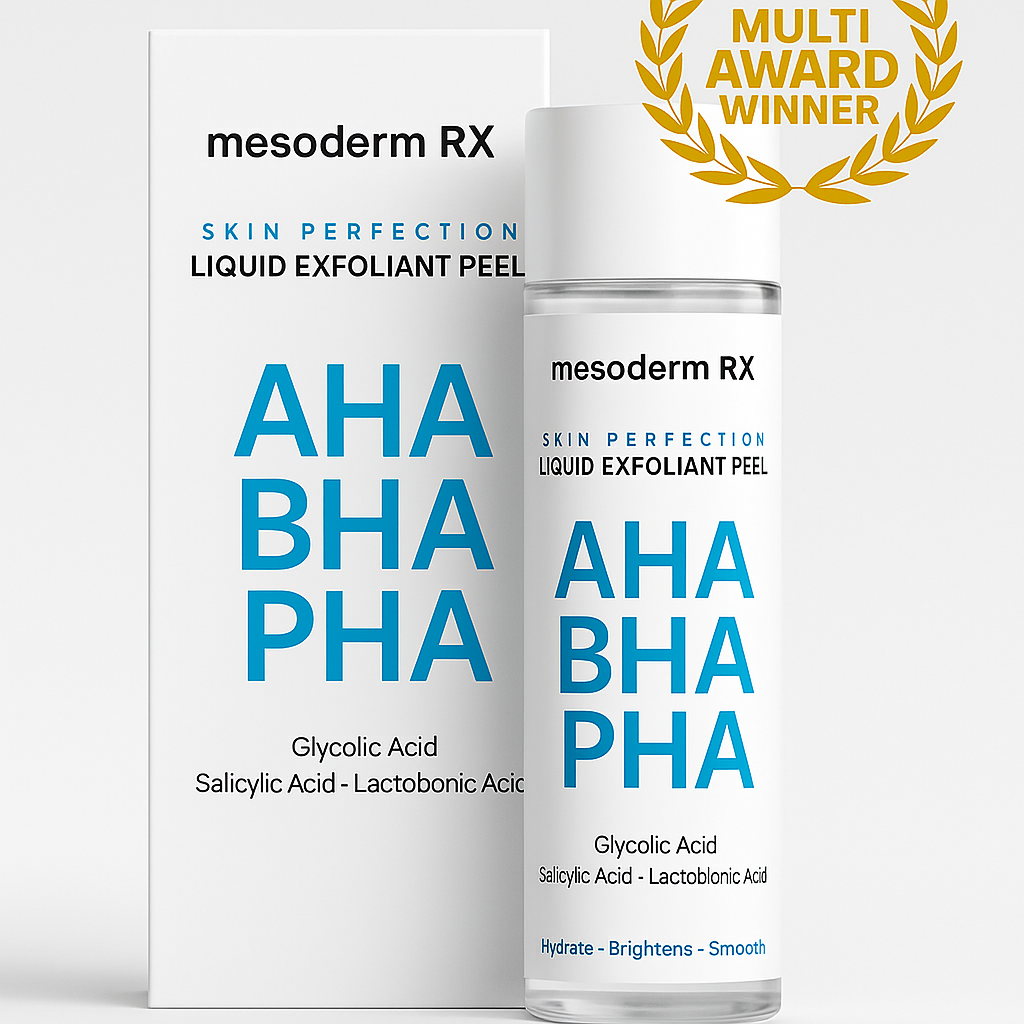
Featured Product
Skin Perfection Liquid Exfoliant Peel AHA BHA PHA
EXFOLIATES, CLEARS PORES, AND REVEALS RADIANT SKIN.
Shop Now →Why dark spots don't respond to random exfoliation
Pigment problems sit deeper than surface roughness. Melanin is produced by melanocytes, then transferred into surrounding skin cells. That process is affected by signals such as UV exposure and inflammation. If those signals continue, removing surface cells alone won't solve the underlying problem.
Three conditions are commonly lumped together as “dark spots,” but they behave differently:
| Condition | Main driver | Why exfoliation alone often fails |
|---|---|---|
| Post-inflammatory hyperpigmentation | Inflammation after acne, friction, or injury | More irritation can intensify pigment signaling |
| Sun spots | Chronic UV exposure | New UV exposure keeps reinforcing discoloration |
| Melasma | Hormonal and UV-linked triggers | It tends to recur and needs a more controlled approach |
What dullness really looks like at the skin surface
A patient often describes dullness as “gray,” “tired,” or “rough even after washing.” That usually reflects one or more of these issues:
- Retained corneocytes that scatter light poorly.
- Uneven surface texture that creates a rough feel.
- Pore congestion that makes skin look flat instead of clear.
- Pigment irregularity that disrupts visual uniformity.
Exfoliation improves how the surface sheds. It does not erase every pigment disorder by itself.
That distinction matters. A cleanser can help create a more even, receptive surface. It cannot replace a complete pigment strategy.
The Mechanisms of Chemical Exfoliating Actives
AHA, BHA, and PHA are often discussed as if they're interchangeable. They're not. They solve different problems because they move through skin differently.
One useful way to think about them is as different keys for different locks. If the issue is compacted surface cells, one type of acid may help. If the issue is oil and debris sitting inside sebaceous follicles, another will perform better. If the barrier is reactive, the gentler option usually wins.
AHA for surface renewal
Alpha Hydroxy Acids, especially glycolic and lactic acid, work primarily by loosening the bonds between dead surface cells. They're useful when the main complaints are roughness, uneven texture, and a lack of brightness.
Verified data also notes that glycolic acid penetrates to stimulate collagen activity, while lactic acid offers a more hydrating profile. That's why AHAs often fit skin that looks dry, photoaged, or uneven rather than heavily congested.
For a basic consumer-level refresher, this overview of the benefits of AHA facial wash is a decent starting point, though product choice still has to be matched to your barrier status and pigment risk.
BHA for pores and inflammation-prone congestion
Beta Hydroxy Acid, mainly salicylic acid, is different because it is lipophilic. It can move into oil-rich follicles rather than staying mostly at the surface. Verified data states that salicylic acid penetrates 30 to 50 µm into sebaceous follicles and reduces inflammatory cytokines by 35% in acne-prone skin.
That makes BHA the more targeted option when the pattern includes clogged pores, blackheads, recurrent breakouts, or the oily film that traps debris.

PHA for reactive or fragile skin
Polyhydroxy Acids are larger molecules and generally act more gently at the surface. They are useful when you need exfoliation but can't tolerate a more aggressive acid profile. That includes skin that stings easily, flushes quickly, or has a compromised barrier.
A simple comparison looks like this:
- Choose AHA when rough texture, dullness, and visible surface aging lead the picture.
- Choose BHA when oil, pore congestion, and acne-type retention lead it.
- Choose PHA when your skin needs controlled renewal with a lower irritation burden.
Why combined acid systems can make sense
The most effective routines often use more than one pathway. Verified data supports the idea that advanced chemical exfoliation relies on the synergistic interaction of AHAs, BHAs, and PHAs. In practical terms, that means surface desquamation, pore clearing, and gentler renewal don't have to be treated as separate goals.
If you want a deeper explanation of how these categories are typically paired, Mesoderm RX has a straightforward article on AHA and BHA products. One example of that multi-acid approach is Skin Perfection Liquid Exfoliant Peel AHA BHA PHA, which is described as a leave-on formula using salicylic acid, glycolic and lactic acids, and lactobionic acid to address pores, texture, and tone without relying on abrasive particles.
Diagnosing Common Failures in Exfoliation
Most failed exfoliation routines don't fail because the user “needs something stronger.” They fail because the diagnosis is wrong.

The most common mistake is treating every mark as the same kind of discoloration. Clinical guidance discussed in this explainer on cleanser versus exfoliator use points out that melasma, sun spots, and post-inflammatory hyperpigmentation are distinct conditions, and that aggressive exfoliation can worsen PIH because PIH is driven by inflammation.
Failure point one: using friction to chase brightness
Physical scrubs can feel effective because they create immediate smoothness. That sensory feedback is misleading.
Verified data includes a 2024 Journal of the American Academy of Dermatology citation reporting that 38% of patients with pigmentation disorders experienced increased spot severity after using physical scrubs containing hard particles. That finding fits what formulators and clinicians see repeatedly. Friction may remove some surface buildup, but on pigment-prone skin it can also trigger the exact inflammatory pathways that keep dark marks active.
If your skin is prone to hyperpigmentation, “scrub clean” is not a safe endpoint.
Failure point two: damaging the barrier while trying to fix texture
The barrier is not a cosmetic detail. It controls water retention, limits penetration of irritants, and helps regulate inflammatory responses. Once it's compromised, stinging, redness, rough patches, rebound oiliness, and new pigmentation often follow.
Warning signs usually appear in clusters:
- Persistent tightness after cleansing, not just a brief clean feeling.
- Stinging from bland products such as moisturizer or sunscreen.
- Patchy flaking with shine at the same time.
- Worsening marks after adding stronger acids or more frequent use.
A patient may think the skin is “purging” when it's becoming inflamed.
Failure point three: expecting a single product to solve a multi-step biology problem
Dullness can improve with one well-chosen cleanser. Hyperpigmentation usually can't. Pigment is tied to melanocyte signaling, inflammation control, UV exposure, and the rate at which pigmented cells are shed. That requires a system.
For mature or dry skin, support products that reinforce hydration and barrier function matter. Anti-Aging Powerhouse includes a serum described as using peptides to support the moisture barrier, hydration, and the appearance of fine lines, which is relevant because over-exfoliated skin often needs barrier-focused correction rather than more stripping.
A useful visual explanation of routine errors and overuse sits below.
A Clinical Protocol for Safe and Effective Use
The safest way to use a skin exfoliating cleanser is to treat it like dose-dependent therapy. Right product. Right frequency. Right skin state.
Clinical guidance summarized by Dermstore's discussion of cleanser types and AAD advice is clear on one point. Overuse can disrupt the lipid barrier, and the American Academy of Dermatology advises limiting potent exfoliating cleansers to a few times per week to reduce the risk of post-inflammatory hyperpigmentation.
Match the cleanser to the problem
Start with your dominant pattern, not with marketing language.
- If skin is oily or clogged, use a BHA-focused cleanser because salicylic acid is better suited to pore debris.
- If skin looks rough, dull, or photodamaged, an AHA-led cleanser usually makes more sense.
- If skin is sensitive or easily inflamed, start with a gentler acid profile such as PHA or a lower-intensity formula.

Use a controlled introduction schedule
Don't start daily just because the label allows it.
- Patch test first. Apply to a small area and watch for delayed irritation.
- Begin with limited frequency. Once or twice weekly is a reasonable starting point for reactive skin.
- Assess the next day, not just the first hour. Many problems show up as delayed tightness, heat, or peeling.
- Increase only if the barrier stays calm. Smoothness without sting is the target.
Clinical checkpoint: Skin should feel cleaner and smoother over time, not progressively more fragile.
Technique matters more than people think
An exfoliating cleanser isn't improved by aggressive massage. Apply to damp skin, use light pressure, and rinse as directed. The goal is even contact, not mechanical abrasion.
Users who rush through application or over-rub often miss the benefit entirely. That problem is common enough that earlier data showed widespread cleansing mistakes among consumers. Proper contact and restraint matter.
A balanced routine after cleansing also matters. Hydration support and pH-aware follow-up can reduce unnecessary irritation, especially if you're layering active products. Mesoderm RX has a useful primer on pH balance skin toner if you're trying to understand why some routines leave skin calm while others create chronic sting.
Know when to reduce frequency
Scale back immediately if you notice any of the following:
| Sign | What it usually means |
|---|---|
| Burning with basic moisturizer | Barrier irritation |
| Glossy, over-polished look | Surface damage, not healthy glow |
| More redness around marks | Inflammation is increasing |
| Dryness plus breakouts | Skin is reactive, not adapting well |
If that happens, stop chasing exfoliation and repair the barrier first.
Beyond the Cleanser The Power of a System
A cleanser is the opening move, not the whole treatment plan.
Exfoliation helps by reducing the compacted layer of dead cells that can dull the surface and interfere with penetration. Once that barrier of retained corneocytes is more controlled, targeted leave-on products can work more efficiently on concerns such as uneven tone, lingering acne marks, and age-related texture. That's where ingredients aimed at pigment pathways and barrier support become more relevant than “more exfoliation” alone.
A complete protocol usually has three parts:
- Controlled exfoliation to improve surface turnover and reduce congestion.
- Targeted treatment to address pigment signaling, inflammation, and texture.
- Daily UV protection so newly exposed skin doesn't keep re-darkening.
Many routines collapse because people exfoliate consistently, but they don't protect the skin afterward. If hyperpigmentation is the concern, sunscreen isn't an accessory. It's mandatory. For a practical breakdown, Mesoderm RX has a useful guide to the best sunscreen for hyperpigmentation.
The right way to think about a skin exfoliating cleanser is simple. It prepares the field. It doesn't finish the game. If your goal is visible improvement in dark spots, roughness, or uneven tone, use exfoliation as one part of a structured system rather than as a stand-alone fix.
Frequently Asked Questions
Can I use an exfoliating cleanser on the body?
Sometimes, yes. It can be useful on areas with rough texture, clogged follicles, or uneven tone. But facial formulas aren't automatically ideal for the body, and body skin can still become irritated with overuse. If the issue is widespread discoloration or keratosis-pilaris-type roughness, use a controlled schedule and watch for dryness or sting.
Is tingling normal?
Mild transient tingling can happen with acid cleansers. Persistent burning is different. If the sensation continues after rinsing, or if moisturizer stings afterward, that's a warning sign that the barrier is becoming irritated.
How long does it take to see results?
Texture often changes before pigmentation does. Many people notice smoother skin first. Dark spots usually require more patience because pigment management depends on inflammation control, consistent use, and strict UV protection.
Should sensitive skin avoid exfoliating cleansers completely?
Not necessarily. Sensitive skin usually does better with gentler chemistry, lower frequency, and a slower introduction. The goal is controlled renewal, not visible peeling.
Can I combine an exfoliating cleanser with retinoids or other acids?
Yes, but not casually. The main risk is cumulative irritation. If you're using a retinoid, exfoliating cleanser, and leave-on acid together, lower the frequency of at least one of them and monitor the skin closely.
What if my dark spots get darker after exfoliating?
That suggests the routine may be driving inflammation rather than resolving it, especially if the marks are post-inflammatory hyperpigmentation. Reduce intensity, remove physical scrubs, support the barrier, and make sure sunscreen use is consistent.
Mesoderm RX builds routines around high-potency, minimal-additive formulas for concerns like dark spots, uneven tone, dryness, and visible aging. If you want a more structured approach instead of trial-and-error exfoliation, explore Mesoderm RX for products designed to pair resurfacing with brightening and daily protection.