


The Clinical Protocol for pH Balancing Skin Toner
A ph balance skin toner is not an optional "freshening" step. It is a non-negotiable, corrective tool that resets your skin's surface biology immediately after cleansing. Its primary function is to neutralize the alkaline residue from tap water and re-establish the acidic environment required for optimal barrier function.
Skin pH: The Biological Imperative for Barrier Integrity

The term "pH balanced" is widely misunderstood. To move beyond marketing claims, we must examine the skin's primary defense mechanism: the acid mantle. This is a fine, acidic film on the stratum corneum, composed of sebum and sweat. Its acidity is not a feature; it is the core of its function. It creates an inhospitable environment for pathogenic microbes, including acne-proliferating C. acnes.
A properly acidic state is essential for a competent skin barrier. It executes two critical biological processes:
- Pathogen Defense: It inhibits the colonization of harmful microbes.
- Moisture Retention: It regulates the enzymatic activity responsible for lipid synthesis and desquamation, which prevents uncontrolled transepidermal water loss (TEWL).
When the acid mantle is intact, the skin is immunologically competent, hydrated, and resilient. When it is compromised, it becomes a gateway for sensitivity, inflammation, and chronic dysfunctions.
The Optimal pH for Skin Integrity
The "squeaky clean" sensation post-cleansing is not a sign of cleanliness. It is a clinical sign of barrier stripping. This sensation indicates you have removed the protective acid mantle, elevated your skin's pH to an alkaline state, and compromised its defenses. This alkaline state is a direct pathway to irritation and dehydration.
Healthy skin is acidic, with an average pH of 4.7. studies consistently show that skin with a pH below 5.0 exhibits superior moisturization, reduced scaliness, and a more robust barrier compared to skin with a pH above 5.0.
Rinsing with tap water, which often has a pH around 8.0, can disrupt this balance for up to six hours. This is the precise window where a ph balance skin toner is not just beneficial, but essential. Its primary role is to immediately neutralize this alkaline shift and restore the skin's functional acidic state.
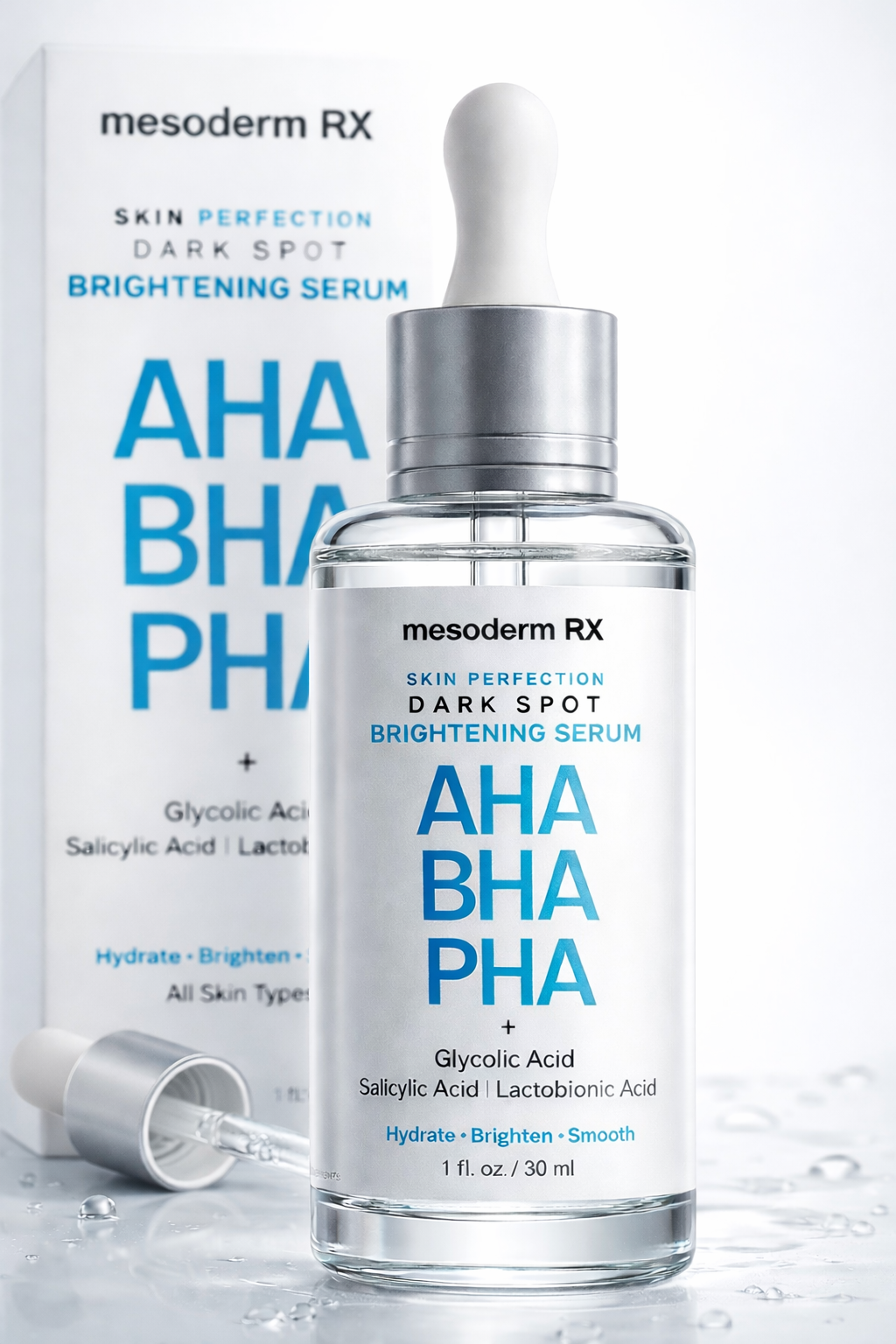
Featured Product
AHA + BHA + PHA Skin Brightening Serum 30ml | Multi-Acid Exfoliating Glow Formula
A powerful multi-acid serum designed to gently exfoliate, brighten skin tone, and improve texture for a smoother, radiant complexion.
Shop Now →Consequences of a Disrupted Acid Mantle
An elevated pH is not a minor issue; it is the root cause of many common skin pathologies. When skin becomes alkaline, it initiates a cascade of cellular damage.
As pH rises, the activity of key enzymes responsible for healthy cell turnover (desquamation) is impaired. This leads to an accumulation of dead cells, resulting in a dull, rough texture. Simultaneously, the lipid barrier that prevents moisture loss is degraded.
This biological breakdown manifests as:
- Increased Dryness and Flaking: The skin's capacity to retain hydration is critically weakened.
- Heightened Sensitivity and Redness: External irritants can now easily penetrate the compromised barrier.
- Acne and Breakouts: An alkaline environment promotes the proliferation of pathogenic bacteria.
Understanding the acid mantle reframes the approach to skincare. The objective is not to treat individual symptoms, but to restore the biological environment necessary for self-protection and repair. A correctly formulated ph balance skin toner is the first and most critical step in this restorative process.
How Modern Routines Disrupt Your Skin's pH

Most people fail to achieve their skin goals because their daily routine actively sabotages their skin’s foundational defense system. The primary offender is often the cleanser. Many popular foaming cleansers and bar soaps are highly alkaline. They achieve that "squeaky clean" feeling by stripping the acid mantle, elevating the skin's pH into a vulnerable, non-functional state.
This damage is then compounded by rinsing. The majority of municipal tap water is alkaline, with a pH of 8.0 or higher. This means even a perfectly formulated, low-pH cleanser is undermined by the final step of washing, which leaves an alkaline mineral residue and compromises the barrier for hours. This is not a theory; it is a chemical reality.
The Cascade of Barrier Dysfunction
Once the acid mantle is neutralized, a destructive chain reaction begins. The lipids that form the "mortar" of the skin barrier begin to break down. This initiates transepidermal water loss (TEWL), the clinical term for the uncontrolled evaporation of moisture from the skin.
The immediate sensation is tightness and dryness post-cleansing. The long-term consequence is accelerated formation of fine lines and a chronically devitalized appearance. This is not merely cosmetic; it is a sign of systemic functional collapse at the skin's surface.
Furthermore, an alkaline surface is the ideal growth medium for pathogenic microbes like C. acnes. These bacteria thrive at an elevated pH, which explains the strong clinical correlation between a compromised barrier and persistent acne.
Why Over-Exfoliation Backfires
The pursuit of smooth, glowing skin often leads to the overuse of harsh physical scrubs and high-concentration chemical exfoliants. This aggressive approach is counter-productive. It physically abrades the acid mantle and throws the skin's delicate ecosystem into chaos.
A compromised barrier loses its ability to self-regulate. The natural process of desquamation becomes disorganized. Instead of revealing healthy new skin, over-exfoliation triggers inflammation, creates micro-tears, and induces a reactive state prone to post-inflammatory hyperpigmentation and sensitivity.
This is a common failure point. Users misinterpret the resulting irritation as a need to exfoliate more, creating a cycle of escalating damage. To select an exfoliant that supports skin biology, refer to our guide on the Mesoderm RX AHA/BHA/PHA Liquid Exfoliant.
Identifying the Symptoms of pH Imbalance
Chronic redness, persistent dryness, and stubborn acne are not separate issues. They are symptoms of a single root cause: a disrupted pH. The table below outlines the most common disruptors and their biological impact.
Common pH Disruptors and Their Biological Impact
| Disruptor | Typical pH Level | Immediate Effect on Skin | Long-Term Consequence |
|---|---|---|---|
| Alkaline Cleansers | 9.0 - 11.0 | Strips acid mantle, causes tightness | Chronic dehydration, increased acne |
| Tap Water | 7.0 - 8.5 | Leaves alkaline mineral residue | Compromised barrier, dullness |
| Harsh Exfoliants | Varies | Creates micro-tears, inflammation | Post-inflammatory hyperpigmentation |
| Environmental Pollution | Varies | Generates free radicals, barrier stress | Premature aging, heightened sensitivity |
Recognizing these connections is the first step toward an effective solution. The sensitivity and breakouts you are fighting are a direct result of pH imbalance. Your routine is not just failing to help; it is actively perpetuating the problem. Restoring acidity with a ph balance skin toner is the critical intervention required to halt the damage cycle and enable repair.
The Clinical Role of a pH Balancing Toner
In a results-driven protocol, a ph balance skin toner is a corrective tool, not a cosmetic. Its purpose is not to "remove leftover dirt," but to act as an immediate reset for the skin's surface chemistry. After cleansing, tap water leaves an alkaline residue that destabilizes the skin. A properly formulated toner instantly neutralizes this shift, restoring the skin's functional acidic state. This is not about sensation; it is about biological function.
This rapid recalibration is non-negotiable for enabling the skin's endogenous repair and defense systems. It creates the necessary biological environment for critical processes to occur.
Activating Essential Enzymatic Processes
The skin relies on a host of pH-dependent enzymes to manage key functions, most notably desquamation—the orderly shedding of dead cells. When skin pH rises into the alkaline range, these enzymes cease to function correctly. The result is an accumulation of corneocytes, leading to a dull, rough texture and clogged pores.
A pH-balancing toner restores the acidic environment these enzymes require, promoting consistent, non-inflammatory cell turnover. This forms the basis of a clear complexion, preventing issues that are often ineffectively treated with aggressive products that only further compromise the skin barrier.
Enhancing Active Ingredient Efficacy
A correctly formulated toner does more than correct the post-cleansing state; it prepares the skin for subsequent treatments. A stable acid mantle is significantly more receptive to active ingredients.
When the skin barrier is intact and its pH is correct, serums and treatments can penetrate more effectively. An alkaline surface, however, can impede absorption and even destabilize certain active molecules, reducing their potency or increasing their irritancy.
A pH-balancing toner creates the ideal substrate. It ensures that high-performance actives, such as those in a targeted dark spot corrector, can reach their intended targets within the skin without being neutralized or blocked by a hostile alkaline environment.
This step amplifies the efficacy of the entire system. It maximizes the return on investment for treatment products by ensuring the skin is biochemically prepared for their delivery.
Fortifying the Microbiome and Barrier
A stable, acidic pH is critical for cultivating a healthy skin microbiome. A pH below 5 encourages the proliferation of commensal (beneficial) bacteria, which helps suppress pathogens responsible for conditions like acne and rosacea. In contrast, an alkaline shift towards a pH of 8-9 allows harmful bacteria to dominate and trigger inflammation.
A ph balance skin toner directly counteracts this by returning the skin to its average pH of 4.7, reinforcing the barrier and preventing the prolonged pH spikes caused by tap water. For additional context, review these insights on the link between skin pH and market trends on gminsights.com.
Ultimately, the toner's role is foundational. By restoring pH, it strengthens the lipid barrier, reduces transepidermal water loss, and mitigates the inflammatory responses that lead to chronic redness and sensitivity. It is not an "extra" step; it is the strategic link that transforms a series of products into a cohesive, high-performance system. The Mesoderm RX philosophy is built on this exact principle: superior results begin with a perfectly balanced foundation.
Decoding Toner Formulations and Ingredients
Not all toners are created equal. The legacy of harsh, alcohol-based astringents has led to the misconception that all toners strip the skin. A modern ph balance skin toner is the antithesis: a targeted formulation designed to hydrate, calm, and reset the acid mantle. Differentiating between a high-performance tool and an outdated irritant requires an analysis of its ingredient profile.
An effective formula adheres to the principle of 'More Actives, Less Additives.' It is concentrated with ingredients that directly support the skin barrier while being free of common irritants. Fillers like fragrance, dyes, and harsh sulfates have no place in a results-driven protocol, as they often trigger the very inflammation you seek to resolve.
Core Components of an Effective Toner
To support the acid mantle, a toner must do more than adjust pH. It must deliver hydration, reduce inflammation, and provide the building blocks for a more resilient barrier. The most effective formulations are built around a synergistic combination of these key ingredient categories.
- Humectants: These are hygroscopic molecules that attract and bind water. Ingredients like Glycerin and Hyaluronic Acid draw moisture from the atmosphere into the epidermis, providing immediate hydration and counteracting the transepidermal water loss (TEWL) that occurs with a compromised barrier.
- Gentle Acids and Buffering Agents: Micro-doses of acids like Lactic Acid (an AHA) are not primarily for exfoliation in this context; they are used to lower the skin's surface pH back to its optimal acidic state. They are stabilized by buffering agents like Citric Acid, which maintain the formula's pH and ensure it recalibrates the skin efficiently without irritation.
- Soothing Botanicals and Antioxidants: A compromised barrier is an inflamed one. Ingredients such as Aloe Vera, Chamomile, and Green Tea Extract provide potent anti-inflammatory and antioxidant compounds that quell redness and neutralize free radical damage, creating a healthier environment for cellular repair.
This multi-faceted approach ensures the toner is a restorative, rather than a stripping, step. It actively replenishes what cleansing and environmental stressors deplete.
Why Clean Formulations Are Non-Negotiable
For skin prone to hyperpigmentation, acne, or sensitivity, a "less is more" approach to formulation is a biological necessity. Unnecessary additives are common triggers for the low-grade inflammation that drives these conditions.
An effective formula removes potential roadblocks to success. Fragrance, both synthetic and from essential oils, is a leading cause of contact dermatitis. By eliminating it, a major variable that could be sabotaging results and perpetuating a state of inflammation is removed.
This is a core tenet of the Mesoderm RX formulation philosophy. We utilize potent, clinically-validated actives and exclude anything that does not directly contribute to the health of the skin barrier. For a deeper understanding of how key ingredients work in a system, learn about skincare powerhouses like Vitamin C, Retinoids, and Peptides in our detailed guide.
Selecting a ph balance skin toner free from these irritants is a foundational decision. It helps build a routine that calms the skin, strengthens its defenses, and creates the ideal substrate for high-performance serums to deliver visible, lasting results. It is about creating a system where every component works in concert toward optimal skin health.
Getting the Order Right: How to Layer Your Toner
A results-driven skincare protocol is governed by sequence. The correct products applied in the wrong order will yield suboptimal or null results. A pH balance skin toner is not an optional step; it is the critical preparatory action that dictates the efficacy of everything that follows.
Its placement is non-negotiable: a toner must be the first product applied to the skin after cleansing and patting dry. This timing is crucial. It immediately neutralizes the alkaline film left by tap water, restoring the skin’s optimal acidic pH. Skipping this step leaves the skin in a vulnerable, alkaline state, forcing subsequent serums to work against a hostile chemical environment.
Applying a toner first ensures the acid mantle is immediately reinstated. This creates the stable, low-pH environment that potent actives—like a dark spot correcting serum—require for effective penetration and action.
The Correct Layering Protocol
A routine is a system. Each step must logically follow the previous one. Applying products out of order can inhibit absorption or trigger irritation.
-
Step 1: Cleanse Thoroughly Use a gentle, low-pH cleanser to remove debris without stripping the skin. Pat the face until it is damp, not fully dry, to enhance toner absorption.
-
Step 2: Apply the pH Balancing Toner This is the bridge between cleansing and treatment. Apply immediately by pressing the toner into the skin with palms or a cotton pad.
-
Step 3: Apply Targeted Serums With the skin's pH reset, it is now primed for active ingredients. This is the optimal window for serums targeting pigmentation or aging to penetrate effectively.
-
Step 4: Moisturize and Protect Seal the routine with a moisturizer. In the morning, this protocol must conclude with a broad-spectrum SPF to protect the newly balanced barrier.
This sequence is dictated by skin biology. By correcting pH at the outset, you ensure the maximum therapeutic benefit from your investment in treatment serums.
Troubleshooting Your Toner Application
If a stinging sensation occurs upon application, do not cease use. This is not an indication of a product flaw, but rather a diagnostic sign from your skin.
A stinging or burning sensation upon application is a definitive clinical sign of a severely compromised skin barrier. The toner is not the aggressor; it is revealing pre-existing damage from over-exfoliation, harsh products, or environmental stress.
A well-formulated toner brings together a few key components to get the job done right.

The formula works as a system: humectants bind moisture, gentle acids reset pH, and soothing agents reduce inflammation. It is a complete solution for barrier restoration.
If your skin reacts, do not discard the toner. Instead, simplify your routine to the essentials: a gentle cleanser, your pH balance skin toner, a simple barrier-support moisturizer like the Mesoderm RX Hydrating Skin Booster, and sunscreen. This allows the acid mantle to repair. Once the stinging subsides, active treatments can be slowly reintroduced. The market for buffering skincare is projected to reach USD 7,906.8 million by 2035, with sensitive skin formulations capturing a 49.5% market share by 2025. This reflects a widespread need for restorative solutions like pH-balancing toners—this is the new foundation of intelligent skincare.
Common Questions About pH Balancing Toners
Understanding the science of a pH balance skin toner is the first step. Applying that knowledge requires answering practical, real-world questions. Here are the clinical answers to the most common inquiries.
Can I Skip a Toner If My Cleanser Is Already pH Balanced?
No. A pH-balanced cleanser addresses only part of the problem. The primary disruptor is not the cleanser, but the alkaline tap water used for rinsing.
Nearly all tap water has an alkaline pH, typically between 7.0 and 8.5. Rinsing leaves an alkaline mineral residue that disrupts the acid mantle for several hours. A pH balancing toner is specifically formulated to neutralize this residue instantly, returning the skin to its functional acidic state of pH 4.7 to 5.5.
Your pH-balanced cleanser prevents stripping. The toner rebuilds defenses after contact with alkaline water. It is not redundant; it is the corrective step that completes the cleansing process and prepares the skin for treatment.
Will a pH Balancing Toner Help My Hyperpigmentation?
Yes, it is a critical component of any effective hyperpigmentation protocol. Treating hyperpigmentation is not solely about applying tyrosinase inhibitors; it is about creating a stable biological environment where those inhibitors can function optimally.
Hyperpigmentation is, at its core, an inflammatory response. A compromised barrier with an elevated pH exists in a state of chronic, low-grade inflammation. This "inflammaging" is a primary trigger for melanogenesis. A damaged barrier can therefore actively create new pigmentation and exacerbate existing spots.
By restoring an acidic pH, a toner addresses hyperpigmentation in three ways:
- Strengthens Defenses: A robust acid mantle is less susceptible to the external irritants that trigger post-inflammatory hyperpigmentation (PIH).
- Reduces Inflammation: It down-regulates the chronic inflammation that signals melanocytes to overproduce pigment.
- Enhances Active Efficacy: A balanced skin surface allows potent ingredients, like those in a dark spot correcting serum, to penetrate and perform their function without causing further irritation.
A balanced pH is a non-negotiable prerequisite for a successful hyperpigmentation treatment plan.
Is It Normal for a Toner to Tingle or Sting?
A mild, transient tingle may occur if the formula contains gentle acids and your skin is unaccustomed to them. This sensation should dissipate within seconds.
However, stinging or burning is a diagnostic red flag. It is not an indication of product efficacy. It is a clear signal of a severely compromised barrier. When the acid mantle is damaged, it has microscopic fissures. Gentle, beneficial ingredients can then penetrate too deeply and rapidly, triggering a neurosensory response (stinging).
The sting is a message: your skin's defenses are offline. The toner is not the cause of the problem; it is the messenger revealing pre-existing damage.
If this occurs, do not stop using the toner. Instead, simplify your routine to a minimal protocol: a gentle cleanser, your pH toner, a barrier-repair moisturizer, and sunscreen. Once the stinging ceases—indicating the acid mantle has begun to heal—you can gradually reintroduce other active treatments.
How Long Until I See Results from a pH Balancing Toner?
The benefits manifest in phases. Some are immediate, while others are cumulative as barrier health improves.
Immediate Benefits (First Use)
- Instant relief from post-cleansing tightness and dryness.
- Skin feels hydrated and calmed.
Short-Term Benefits (1-2 Weeks)
- Reduction in surface dryness, flaking, and general reactivity.
- Skin texture becomes smoother as the acid mantle strengthens and transepidermal water loss (TEWL) decreases.
Long-Term Benefits (4-6 Weeks and Beyond)
- Improved skin clarity and tone due to reduced chronic inflammation.
- Decreased breakouts, as the acidic environment is inhospitable to C. acnes.
- Enhanced results from other treatment products, as they are now functioning in an optimal biological environment.
A toner is a foundational product. Its function is to create the necessary conditions for skin health, thereby enabling the rest of your routine to deliver its intended results. Consistency is paramount.
At Mesoderm RX, our formulations are based on a single, uncompromising principle: a balanced, healthy skin barrier is the sole foundation for an effective skincare protocol. Our systems are engineered to restore this critical equilibrium, enabling our potent actives to deliver the visible, lasting results you expect.
Discover the foundation of a truly effective routine and explore the complete Mesoderm RX collection.