


Skin Cell Turnover: A Clinical Guide to Youthful Skin
Most advice about skin cell turnover is too blunt. It treats the skin like a floor that needs more scrubbing, more peeling, and more “renewal” on demand.
That's not how healthy skin works.
The objective isn't the fastest possible turnover. It's regulated renewal. Skin has to produce new cells, move them upward in an orderly way, shed old cells, maintain barrier lipids, and control inflammation at the same time. If you force one part of that process while destabilizing the rest, you often get the exact problems people are trying to fix: persistent dullness, rough texture, stinging, rebound sensitivity, and in pigmentation-prone skin, more visible discoloration.
That distinction matters even more if your goals include brighter tone, fewer dark marks, smoother texture, or a more youthful surface. In those cases, “stronger” is often mistaken for “better.” Clinically, that's one of the most common errors in at-home skincare.
The Foundation of Healthy Skin Cell Turnover
Skin cell turnover is the epidermis doing what it's designed to do: generate new keratinocytes, move them through the skin's layers, and shed them when their job is done. That process is renewal, not just exfoliation.
Exfoliation is only one tool. Turnover is the whole program.
When people say they want to “speed up” turnover, what they usually mean is that they want skin to look less dull, less uneven, and less congested. Those are reasonable goals. But trying to force rapid shedding with harsh scrubs, frequent peels, or stacking too many actives often creates inflammation first and improvement second, if at all.
What healthy renewal actually looks like
Healthy renewal has a few visible signs:
- Smoother texture because old surface cells aren't lingering too long
- More even light reflection so the skin looks clearer and less ashy
- Better tolerance because the barrier remains intact while renewal happens
- More predictable response to treatment since active ingredients can work on skin that isn't chronically irritated
That last point is often missed. Brightening agents, retinoids, and exfoliating acids work better when the skin is stable. They work worse when the barrier is inflamed.
Clinical reality: The skin doesn't need to be pushed into constant peeling. It needs a controlled environment where renewal can proceed without unnecessary irritation.
Why random routines fail
Most failed routines have the same flaw. They combine multiple “results” products without a framework. An acid toner, a scrub, a retinoid, a brightening serum, and inconsistent sunscreen create a cycle of disruption, temporary glow, then setback.
A more useful question is not, “How do I make my skin turn over faster?” It's this: What is preventing normal, orderly renewal in the first place?
For some people, the answer is age. For others, it's UV exposure, chronic irritation, over-cleansing, or trying to treat dark spots with too much intensity and not enough barrier support.
The Biological Process of Skin Renewal
The epidermis works like a slow, highly organized escalator. New keratinocytes are formed in the basal layer, then they gradually move upward, flatten, harden, and eventually become the corneocytes that make up the outer surface.
In young adults, skin renewal is commonly cited at about 28 days, with roughly 14 days for a cell to travel from the lower epidermis to the surface and another 14 days spent at the surface before detachment, while one NIH-reviewed estimate places total epidermal turnover at 40–56 days across humans (NIH-reviewed overview of epidermal turnover).

The keratinocyte journey
Here's the simple version of that escalator:
-
Birth in the basal layer
Cells are generated low in the epidermis. -
Upward migration
They move toward the surface while changing structure and function. -
Surface phase
At the top, they become part of the stratum corneum, the skin's outer defensive layer. -
Shedding
They detach in a controlled process called desquamation.
If this conveyor belt runs well, skin looks smoother and more even. If it slows or becomes disordered, surface cells accumulate and the skin starts to look tired.
Why the process is bigger than cosmetics
This isn't just a beauty concept. The epidermis is a living barrier system. Its renewal cycle affects texture, visible brightness, tolerance to treatment, and how well the skin defends itself against environmental stress.
That's also why broader inflammatory influences matter. In conditions where the skin barrier and immune signaling are involved, the conversation extends beyond topical products. For readers interested in that wider biology, this psoriasis and gut health guide is a useful read on skin, inflammation, and the microbiome.
Where exfoliants fit
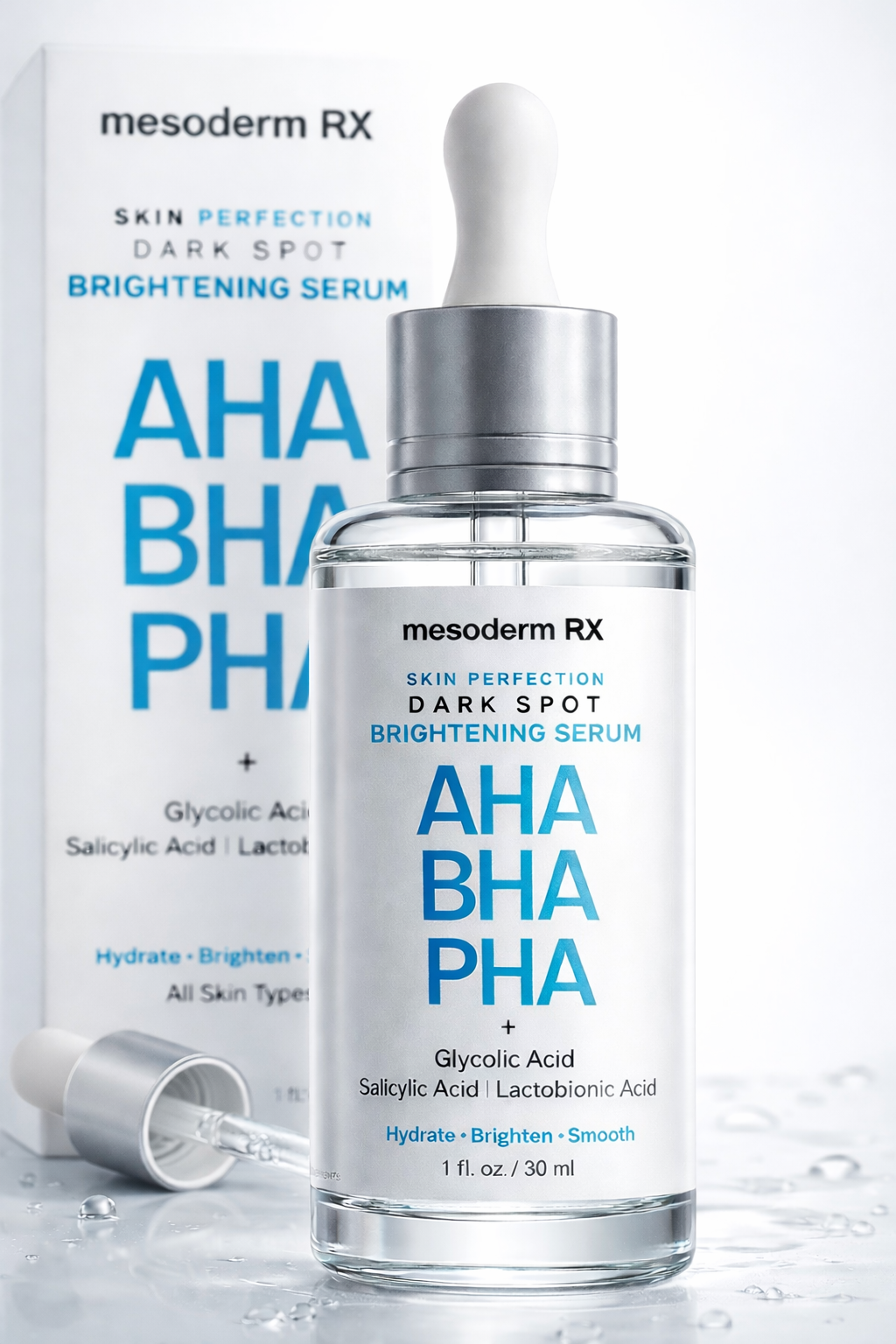
Chemical exfoliants can support this natural shedding phase when used appropriately. For example, Skin Perfection Liquid Exfoliant Peel AHA BHA PHA is a leave-on formula built around AHA, BHA, and PHA acids, which makes sense clinically when the goal is non-abrasive surface renewal rather than aggressive scrubbing.
How Age and Lifestyle Impact Your Renewal Cycle
The turnover cycle you had in your teens isn't the cycle you have later in life. That's one reason skin can suddenly seem duller, rougher, or slower to recover even when you're using “good” products.
One dermatology source reports that at age 18, skin cell turnover may be 14–21 days, while by age 50 it can lengthen to 60–90 days (age-related skin turnover ranges). That's a major shift in how long older cells remain visible at the surface.

What changes with age
As renewal slows, you tend to see a familiar pattern:
- Dullness becomes more persistent because older corneocytes remain on the surface longer
- Texture feels rougher because shedding is less efficient
- Uneven tone becomes more obvious because fresh, evenly reflecting skin takes longer to appear
- Dark marks seem to “stay forever” because visible turnover is slower
That doesn't mean all aging skin needs aggressive resurfacing. It means expectations and treatment cadence need to change.
Lifestyle can slow the process further
Intrinsic aging is only part of the story. Daily stressors can push renewal in the wrong direction. UV exposure, irritation, poor recovery habits, and chronic physiologic stress all interfere with skin function.
For people whose skin worsens during periods of emotional or hormonal strain, broader stress management can matter more than they expect. This piece on stress relief for hormonal health is useful because it connects systemic stress to biological regulation rather than treating skin as an isolated problem.
Skin rarely becomes dull for one reason only. Age, inflammation, UV exposure, and barrier disruption usually overlap.
Face and body don't behave the same way
Many routines become unrealistic. The skin on the face and the skin on the body don't always respond at the same pace, and body discoloration often needs more patience and more consistent support.
That's why body-specific products can have a role when the concern is body unevenness rather than facial pigmentation. Whitening Advanced Body Essence Lotion is formulated as a body lotion with brightening ingredients including niacinamide, vitamin C, kojic acid, alpha arbutin, and willow bark extract, and the brand specifies that it's for body use rather than the face or neck.
The Myth of Faster Is Always Better
The fastest route to an impaired barrier is to confuse visible peeling with healthy renewal.
That mistake is common. People feel roughness or see uneven tone, then escalate acids, scrub more often, add retinoids too quickly, and assume irritation means the skin is “working.” In reality, irritation often means the skin is losing control of the process.
A recent peer-reviewed review notes that stressors such as UV exposure and pollution alter keratinocyte function, and that over-rapid turnover from strong acids or retinoids can worsen irritation. It also notes that irritation itself is a known trigger for post-inflammatory discoloration, which is why the key is regulated renewal with barrier protection rather than nonstop acceleration (review on aging, regeneration, and irritation-related discoloration).

Why over-exfoliation backfires
For pigmentation-prone skin, the sequence is familiar:
| What you do | What the skin experiences | What you see later |
|---|---|---|
| Use strong acids too often | Barrier disruption and inflammation | Redness, stinging, unevenness |
| Add retinoids before tolerance is built | More irritation than regulation | Flaking without steady improvement |
| Scrub physical roughness aggressively | Surface trauma | Temporary smoothness, then rebound sensitivity |
This is especially important in post-acne marks and any skin that darkens after inflammation. If the treatment itself irritates the skin, you can extend the problem you were trying to correct.
Exfoliation should remove friction, not create it
A well-designed exfoliation step loosens the bonds between dead surface cells. It shouldn't leave the skin hot, shiny-tight, or reactive to everything that follows.
If you're deciding between acids, the differences matter. AHAs, BHAs, and PHAs don't behave identically, and pairing them with the rest of the routine changes tolerance. This guide on what lactic acid does for skin is useful because it helps place one acid type in a broader treatment strategy instead of treating “exfoliation” as one thing.
Key distinction: Better turnover is not the same as faster peeling. One improves skin function. The other can destabilize it.
A Clinical Approach to Regulated Renewal
Once you stop chasing speed, the treatment plan becomes clearer. Skin needs a system that reduces excess surface buildup, normalizes cell behavior, protects the barrier, and limits the triggers that keep dark spots active.
When turnover slows, corneocytes accumulate and visible dullness and uneven tone increase. Practical interventions that improve turnover include consistent chemical exfoliation with AHAs and BHAs, daily broad-spectrum sunscreen, and retinoids, which dermatology sources repeatedly cite as turnover-supporting actives (clinical overview of turnover-supporting interventions).

Pillar one is controlled exfoliation
Acids are useful when they're chosen and dosed with restraint. AHAs help with surface roughness and visible dullness. BHAs are useful when pores and congestion are involved. PHAs are often easier to tolerate when someone needs a gentler entry point.
What doesn't work is treating exfoliation like a daily test of endurance. If the skin is stinging every time you apply moisturizer, the routine is no longer therapeutic.
Pillar two is cellular regulation
Retinoids work differently from exfoliating acids. They're not just dissolving surface buildup. They help regulate how epidermal cells behave and mature over time. That makes them central when the concerns include rough texture, visible aging, and uneven pigmentation patterns.
For readers comparing retinoid pathways, this overview of tretinoin cream and Obagi can help frame where prescription-style regulation fits relative to cosmetic renewal products.
Pillar three is pigment control and barrier support
Many routines fail by focusing on peeling off pigment instead of reducing the biological signals that keep pigment active.
A more complete approach includes:
- Daily sunscreen use because UV exposure keeps discoloration active and interferes with recovery
- Barrier-supportive hydration so the skin can tolerate renewal actives without constant inflammation
- Pigment-modulating ingredients such as niacinamide, kojic acid, tranexamic acid, or alpha arbutin when appropriate
- Consistency over intensity because irregular bursts of treatment usually produce irritation, not stability
Pillar four is the system, not the hero product
A single active can help, but a coherent routine helps more. The skin responds best when cleansing, exfoliation, treatment, moisturization, and photoprotection support the same goal.
That systems view is also how many clinicians think about regenerative aesthetics more broadly. If you're interested in the medical side of repair-based care, this page on Kansas City regenerative medicine offers a useful example of how practitioners discuss restoration rather than symptom chasing.
Most pigmentation routines fail because they attack the mark and ignore the environment that keeps producing it.
Building Your Safe and Effective Routine
A good routine for skin cell turnover should feel controlled from the first week. If it feels chaotic, the plan is too aggressive.
Start by setting one goal. If your main issue is dullness and rough texture, begin with exfoliation. If your main issue is visible aging or persistent uneven tone, a retinoid-centered plan may make more sense. Don't introduce everything at once.

A simple way to introduce actives
Use this order of operations:
-
Patch test first
Apply the product to a small area before using it broadly. -
Add one active at a time
If you start acids and retinoids together, you won't know what your skin is reacting to. -
Begin with low frequency
Sensitive or pigmentation-prone skin usually does better with spaced use than with immediate daily application. -
Watch for barrier signals
Tightness, burning, persistent redness, and worsening reactivity are warnings, not milestones.
If you want a practical comparison of exfoliating categories before choosing one, this guide to AHA and BHA products helps clarify where each type fits.
Set expectations by body area
Results don't appear at the same speed everywhere. One clinical source states that facial turnover takes about 40 to 56 days while body turnover can be 28 to 40 days, which helps explain why visible change can look different depending on the area you're treating (face and body turnover differences).
That matters when someone says, “This worked on my arms but not my cheeks,” or the reverse. Product choice is part of the answer, but biology is part of it too.
When to slow down and when to get help
A mild adjustment phase can happen with active skincare. Ongoing irritation should not.
See a dermatologist if:
- Dark spots keep worsening despite sunscreen and a controlled routine
- You suspect melasma rather than post-inflammatory marks or scattered sun spots
- Your skin burns with most products and never seems to stabilize
- You need prescription support for retinoids, pigment control, or inflammatory skin disease
That step isn't a failure of skincare. It's often the point where diagnosis finally becomes precise.
Frequently Asked Questions About Skin Renewal
Is skin cell turnover the same as exfoliation
No. Skin cell turnover is the full biological cycle of cell birth, migration, maturation, and shedding. Exfoliation is one method used to influence the shedding part of that cycle.
Does faster turnover always improve dark spots
Not necessarily. Dark spots improve best when renewal is balanced with inflammation control and barrier support. If the routine causes ongoing irritation, discoloration can become more persistent instead of less visible.
Can I use exfoliating acids and retinoids together
Sometimes, yes. But that doesn't mean you should begin that way. Many people tolerate them better on alternating nights or by introducing one first and the other later. The right sequence depends on skin sensitivity, barrier strength, and whether pigmentation worsens with irritation.
Don't judge a routine by how active it feels. Judge it by whether the skin becomes smoother, calmer, and more even over time.
Why does my skin look dull even when I exfoliate
Because dullness isn't always just retained surface cells. It can also reflect dehydration, barrier disruption, UV exposure, chronic irritation, or age-related slowing in renewal. If you exfoliate often and still look dull, the problem may be inflammation rather than insufficient peeling.
How long should I wait before deciding a routine isn't working
Long enough to see whether the skin can move through a normal renewal cycle without being reset by irritation. In practice, that means evaluating consistency, tolerance, and visible trend rather than chasing overnight changes. If your routine is causing repeated setbacks, it's not a patience issue. It's a plan issue.
What usually works better than adding more products
A tighter routine. Gentle cleansing, one well-chosen active category, a barrier-supportive moisturizer, and daily sunscreen usually outperform a crowded shelf of overlapping treatments.
What should sensitive, pigmentation-prone skin prioritize first
Barrier stability. Once the skin is calm, active treatment becomes safer and more effective. Starting with strong acids on an already reactive barrier is one of the fastest ways to create more uneven tone.
If you're trying to improve skin cell turnover without tipping into irritation, Mesoderm RX offers a results-focused approach built around high-potency actives and straightforward routines. The brand's philosophy fits the clinical principle that matters most here: support renewal, protect the barrier, and treat uneven tone with a system instead of random intensity.