


Lactic Acid for Skin: A Clinical Guide to What Actually Works
When skincare professionals discuss lactic acid, they aren't talking about a harsh, aggressive peel. That's a common misconception. In a clinical context, lactic acid is a high-performance tool for skin normalization. It's an alpha-hydroxy acid (AHA) that executes two critical functions simultaneously: targeted exfoliation and biological hydration. Understanding this dual mechanism is the first step to using it effectively.
How Lactic Acid Actually Works on Your Skin

To understand lactic acid's efficacy, you must look at its biological role. This isn't just an external agent that strips skin. Lactic acid is a key component of your skin’s own Natural Moisturizing Factor (NMF). This means your skin tissue recognizes it and has a biological pathway to utilize it.
Its primary mechanism of action is to dissolve the desmosomes—the protein "glue" holding dead keratinocytes together in the stratum corneum. By uncoupling these expired cells, it accelerates desquamation, revealing the newer, more functional epidermis beneath. This is fundamentally different from mechanical exfoliation (scrubs), which can induce micro-tears and inflammatory responses. Lactic acid works with the skin's biology, not against it.
More Than Just an Exfoliant
The most common failure in consumer skincare is the exfoliation-dehydration cycle: a harsh acid strips the skin, leading to transepidermal water loss (TEWL), which is then overcompensated for with occlusive, heavy creams. This disrupts the skin's barrier function and pH.
Lactic acid breaks this cycle.
It’s a true multitasker. At the cellular level, it simultaneously desquamates expired cells from the stratum corneum while acting as a humectant to draw water into the newly exposed epidermis. This dual-action mechanism addresses both texture and dehydration in a single, efficient step.
This is precisely why lactic acid is a foundational ingredient in clinical protocols. It normalizes cell turnover, making the skin more receptive to other actives while reinforcing its own hydration systems.
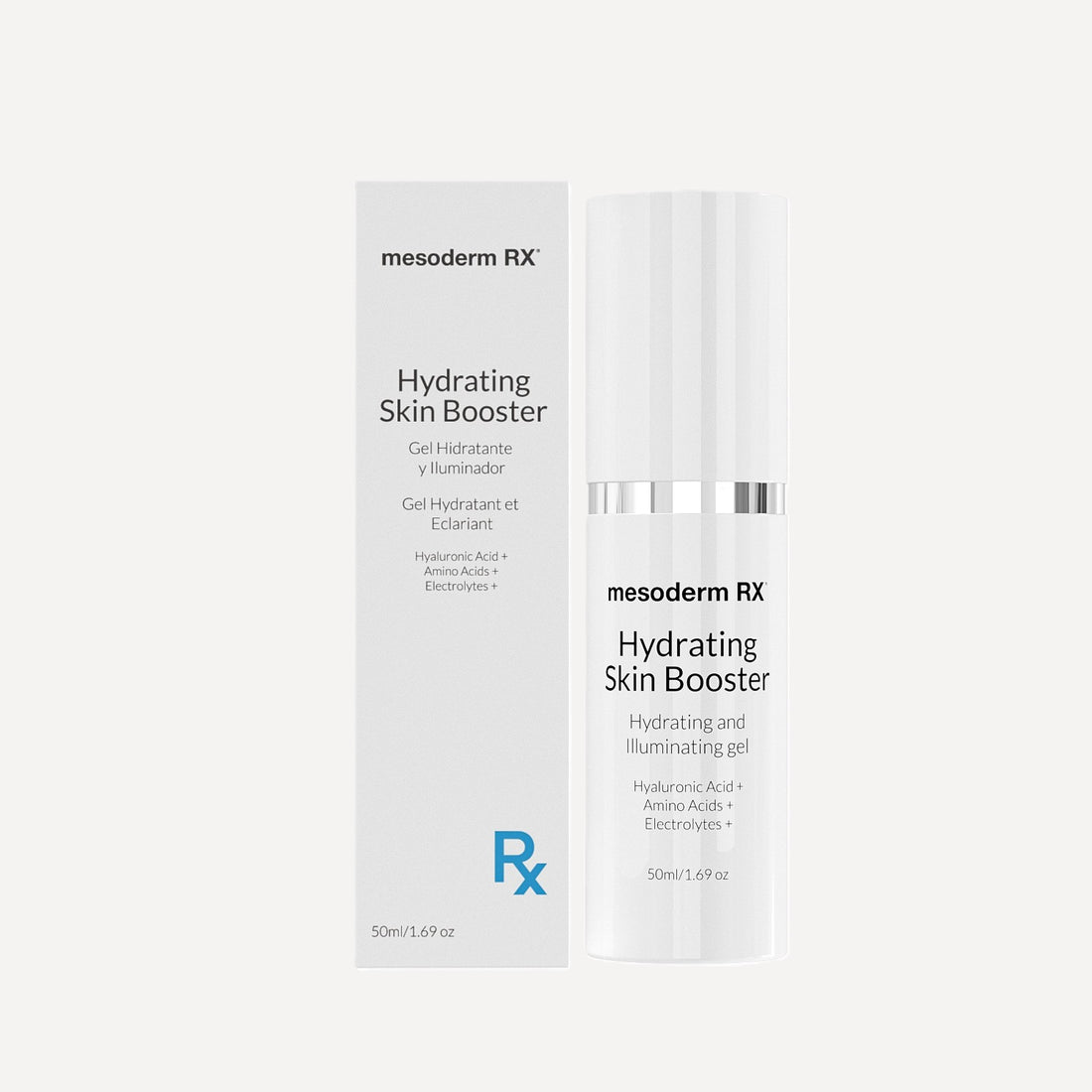
Featured Product
Hydrating Skin Booster | Deep Moisture & Skin Plumping Care
Lightweight formula designed to deliver deep hydration and improve skin softness. Helps support a smooth, plump, and healthy-looking glow.
Shop Now →The Key to Unlocking Brighter, Plumper Skin
Once you grasp this exfoliate-and-hydrate mechanism, its application for more complex conditions becomes clear. Accelerated cell turnover isn't just about glow; it's a mechanism for dispersing melanin clusters (hyperpigmentation) and promoting a more homogenous skin tone over time.
Simultaneously, its hydrating properties fortify the lipid barrier, your primary defense against inflammatory triggers. This positions lactic acid as a critical first-line active for addressing complex issues, including:
- Hyperpigmentation: By accelerating the shedding of pigmented surface cells, it visibly reduces the appearance of existing solar lentigines and post-inflammatory hyperpigmentation (PIH).
- Dehydration and Fine Lines: By increasing the skin's water content, it volumizes the epidermis from within, immediately reducing the appearance of superficial rhytids caused by dehydration.
- Dull, Atonic Skin: By removing the light-scattering layer of dead cells, it restores the skin's natural specular reflection, or radiance.
This isn't coincidental; it's strategic biology. Correcting surface-level dysfunctions while reinforcing the skin’s foundational health is what produces measurable, sustainable results. It’s not magic—it's applied science.
Decoding Hyperpigmentation and Lactic Acid's Role
Most brightening treatments fail for one reason: they target the visible symptom (the dark spot) while ignoring the biological cascade that creates it. To achieve lasting correction of dyschromia, you must interrupt the root cause of pigment overproduction.
Hyperpigmentation is not a single condition. It is an umbrella term for the overproduction of melanin. The etiology dictates the treatment protocol. Generic "brightening" products fail because they apply a one-size-fits-all approach to distinct pathologies.
This is where a clinical mindset is non-negotiable. Attempting to treat melasma with a protocol designed for solar lentigines is like using the wrong key for a lock—it won’t work, and you risk damaging the mechanism.
Diagnosing the specific type of hyperpigmentation is the first step toward an effective solution.
Diagnosing the Three Main Types of Discoloration
While the end result is excess melanin, the triggers for each type are different.
- Solar Lentigines (Sun Spots): These are discrete, well-defined macules on sun-exposed areas (face, hands). They are a direct result of cumulative UV exposure, which stimulates localized melanocyte hyperactivity.
- Post-Inflammatory Hyperpigmentation (PIH): This is residual pigmentation following an inflammatory event, such as an acne lesion, insect bite, or skin injury. The inflammation itself signals melanocytes to produce excess melanin as part of the wound-healing response. For a deeper analysis, review our guide on what hyperpigmentation is and how to treat it.
- Melasma: This presents as symmetric, blotchy hypermelanosis, typically on the face. Melasma is notoriously difficult to manage as it is driven by a complex interplay of hormonal stimuli, UV radiation, and genetic predisposition.
Despite different triggers, all three pathways converge at the same biological starting point.
The Biological Pathway of Pigment Production
Within the basal layer of your epidermis, specialized cells called melanocytes produce melanin—the pigment responsible for skin color. The entire process is called melanogenesis, and it is governed by one critical enzyme: tyrosinase.
Think of tyrosinase as the master switch for pigment synthesis.
When triggers like UV radiation, hormones, or inflammation activate this switch, tyrosinase initiates the conversion of the amino acid tyrosine into melanin. The melanin is then packaged into melanosomes and transferred to surrounding keratinocytes. This is what becomes visible as a dark spot on the skin's surface.
This is why many treatments fail. They focus only on exfoliating the already-pigmented surface cells—a temporary fix. An effective strategy must do two things: accelerate the removal of existing pigment and inhibit the tyrosinase enzyme to prevent the synthesis of new pigment.
This is precisely where lactic acid demonstrates its clinical value. Its dual-action mechanism provides a comprehensive solution that single-action ingredients cannot match.
How Lactic Acid Corrects Pigmentation
Lactic acid addresses dyschromia from two distinct vectors to restore skin clarity.
First, as an alpha-hydroxy acid (AHA), it acts on the surface. It dissolves the intercellular "glue" binding pigmented keratinocytes, accelerating the desquamation of discolored layers. This action visibly fades existing hyperpigmentation.
The deeper mechanism, however, is what makes it a clinical powerhouse. Lactic acid has been shown to directly interfere with melanogenesis by inhibiting tyrosinase activity. By down-regulating this key enzyme, it suppresses new melanin production, preventing the formation of future hyperpigmentation. This "upstream" intervention is the key to achieving long-term, stable results.
Clinical data validates this. For example, a 12% lactic acid formulation was found not only to improve skin firmness and texture but also to significantly reduce epidermal melanin content in pigmented lesions. This is why it is a cornerstone active for correcting dyschromia—it treats both the symptom and the source.
Understanding Lactic Acid Formulation Science
Let’s be precise: the presence of "lactic acid" on an ingredient list does not guarantee efficacy. The clinical power of any active, particularly an acid, is determined by the formulation science: specifically, its concentration and pH.
These two variables determine whether a product functions as a gentle hydrator or a true keratolytic agent. Incorrect formulation renders the product functionally inert or, worse, inflammatory.
An acid's efficacy is inextricably linked to its pH. If a formula's pH is too high (alkaline), the lactic acid is neutralized and becomes inactive. If the pH is too low (acidic), it becomes excessively aggressive, risking chemical burns and barrier impairment.
The therapeutic window for a lactic acid exfoliant is narrow, typically a pH between 3.5 and 4.0. In this range, the acid is sufficiently "bioavailable" to dissolve desmosomes without inducing significant inflammation.
Concentration Dictates Clinical Action
With an optimized pH, the concentration dictates the depth and intensity of the acid's biological effects. Different percentages are used to achieve distinct clinical endpoints.
A common misconception is that higher concentration is always superior. This is incorrect. The objective is to use the appropriate concentration for a specific clinical target, formulated at the correct pH to achieve the desired outcome with minimal irritation.
This is where formulation expertise is critical. Here is a clinical breakdown of how lactic acid concentration translates to biological action.
Lactic Acid Concentration and Its Clinical Impact
The percentage of lactic acid directly correlates with its primary function. This table outlines the expected clinical outcomes from different concentrations, from superficial hydration to dermal remodeling.
| Concentration | Primary Action | Target Skin Layer | Best For |
|---|---|---|---|
| Up to 5% | Hydration & Mild Exfoliation | Stratum Corneum (surface) | Correcting xerosis, enhancing NMF, gentle texture smoothing. |
| 5% to 10% | Exfoliation & Pigment Dispersion | Epidermis (full layer) | Addressing visible dullness, rough texture, and superficial hyperpigmentation. |
| 12% and Above | Dermal Remodeling & Collagen Synthesis | Epidermis & Dermis (deep) | Improving skin firmness, reducing rhytids, and correcting resistant pigmentation. |
As the data shows, a well-formulated 10% lactic acid product often represents the optimal balance for home care, effectively targeting both texture and pigmentation without the irritation risk of higher-strength formulations.
Why Many Formulations Fail The Efficacy Test
The consumer skincare market is saturated with aesthetically pleasing but functionally useless formulas. Many commercial products fail because they are designed for marketing appeal, not clinical efficacy, and are filled with excipients that can sabotage the active ingredients.
Common formulation flaws that compromise efficacy include:
- Fragrance and Essential Oils: These are leading causes of contact dermatitis and inflammation—the very condition you seek to avoid when treating inflammatory-driven concerns like PIH.
- Dyes and Colorants: These are purely aesthetic additives with no therapeutic value, only an increased risk of sensitization.
- Drying Alcohols: High concentrations of SD alcohol or denatured alcohol disrupt the lipid barrier, inducing TEWL and negating the hydrating benefits of lactic acid.
An effective formula is defined by potency and purity. It should function as a complete system. For example, combining lactic acid (AHA) with salicylic acid (BHA) and gluconolactone (PHA) delivers multi-level exfoliation addressing different pathologies simultaneously. To understand this synergistic approach, explore the formulation science behind the Mesoderm RX AHA BHA PHA Liquid Exfoliant.
This is particularly true when addressing hyperpigmentation.

As the diagram illustrates, a successful strategy must both disperse existing pigment and suppress new melanin synthesis. This is why formulation science is paramount. Selecting a product engineered with this dual-action mechanism is the most direct path to clear, even-toned skin.
The Clinical Evidence for Lactic Acid in Skin Firming
While lactic acid is recognized for exfoliation and hydration, its most profound benefit lies deeper, within the dermis. Its anti-aging capacity is not cosmetic; it's a documented biological process that remodels the skin's structural matrix.
The "plumpness" observed after using a quality lactic acid formula isn't merely superficial hydration. It's an indicator of dermal activity. The acid acts as a signaling molecule, stimulating fibroblasts—the cells responsible for synthesizing collagen and elastin. These proteins form the structural scaffolding that provides skin with its density and tensile strength.
With age, fibroblast activity declines, leading to a thinner dermis, reduced elasticity, and rhytid formation. Lactic acid sends a biochemical signal that effectively reactivates these dormant cells, up-regulating the production of structural proteins. This is the mechanism for rebuilding dermal density from within.
The Science Behind How an Acid Makes Skin Firmer
The concept of an acid inducing firmness seems counterintuitive, but the mechanism is precise and clinically validated. Application of lactic acid at the correct concentration and pH triggers a controlled, beneficial inflammatory response that cascades through the skin's layers.
This is not a damaging, aggressive process. It is a targeted stimulus that prompts the skin's innate repair and regeneration mechanisms. The result is a quantifiable increase in both epidermal and dermal thickness over time.
The key takeaway is this: lactic acid does not merely make skin appear fuller. With consistent, correct application, it actively rebuilds the foundational layers, making the skin structurally denser and more resilient to the mechanical stresses that cause laxity and lines.
Clinical Proof: What the Studies Show
This is not theoretical. Robust clinical data substantiates these claims, providing measurable proof of lactic acid's impact on skin architecture.
A landmark study published in the Journal of the American Academy of Dermatology serves as the clinical benchmark. In this trial, researchers evaluated the histological effects of topical lactic acid applied over a three-month period.
The findings were definitive: a 12% concentration applied twice daily did more than refine the surface. It penetrated to the dermis, inducing measurable increases in epidermal and dermal thickness. This resulted in a clinical improvement in skin smoothness and a reduction in fine lines and wrinkles, demonstrating the ingredient's capacity to remodel both the epidermis and dermis. For comparison, a 5% concentration produced changes only in the epidermis. You can review the full study and its impact on skin science on pubmed.gov.
Putting the Evidence into Practice
This body of evidence confirms that lactic acid is a cornerstone active for any serious anti-aging protocol. It is one of the few topical ingredients clinically proven to stimulate neocollagenesis, directly addressing the root cause of age-related loss of firmness.
For anyone concerned with visible signs of aging—from fine rhytids to generalized loss of elasticity—a well-formulated lactic acid product is an essential component of care. It provides a non-invasive method for promoting foundational skin health and achieving lasting structural improvements.
The critical factor is selecting a formula that delivers the appropriate concentration at the correct pH to unlock these potent firming benefits, like the targeted systems developed at Mesoderm RX. When you prioritize biological function, you can stop hoping for results and start measuring them.
How To Introduce Lactic Acid Into Your Routine: The Right Way

Here's a clinical truth: most consumers who try lactic acid fail. This is not due to the acid's inefficacy, but to improper implementation. Treating it as a casual serum to be applied daily is a flawed approach. Lactic acid is a powerful active that requires a structured protocol to prevent irritation and achieve clinical outcomes.
Forget guesswork. Successful integration of lactic acid follows a clear protocol designed to acclimate the skin, maximize benefits, and mitigate side effects. This is the difference between achieving a healthy, normalized state and inducing an inflammatory response.
The Starting Point: Go Low and Slow
The most common error is over-application driven by enthusiasm. Initiating daily use is a direct path to inflammation, peeling, and a compromised skin barrier. The epidermis requires a period of adaptation to the increased rate of cell turnover and the lower pH environment.
The only correct way to begin is with a "low and slow" titration method. This allows you to assess skin tolerance and build it methodically, ensuring the acid works for you, not against you.
Your Starting Protocol: Begin by applying your lactic acid product 2-3 times per week, only in the evening. This frequency is sufficient to initiate cellular change without overwhelming the skin’s natural reparative cycles.
This measured approach prevents the erythema and sensitivity that cause most users to abandon treatment before achieving results. With acids, consistency always trumps intensity.
How to Apply and Layer for The Best Results
When and how you apply lactic acid is as critical as frequency. Applying to damp skin or layering products in the wrong sequence can buffer its activity or, conversely, cause irritation. Application must be precise.
For optimal absorption and performance, adhere to this non-negotiable protocol:
- Start with a Clean Substrate: Use a gentle, pH-balanced cleanser to remove sebum, makeup, and environmental debris. The acid requires a clean surface for uniform penetration.
- Ensure Skin is Completely Dry: This is critical. Applying an acid to damp skin can increase its penetration rate unpredictably, leading to stinging and irritation. Pat the skin dry and wait one minute.
- Apply a Thin, Even Layer: More is not better. A few drops are sufficient for the entire facial area. Over-application is a primary cause of adverse reactions and a waste of product. Avoid the immediate periorbital area.
- Wait Before Layering: This is a key step. Allow the lactic acid to remain on the skin for at least 5-10 minutes before applying subsequent products. This allows it to function at its intended low pH before being neutralized by other formulas. For a deeper understanding, review our guide on why pH balance is essential for skin health.
After the waiting period, follow with a barrier-supportive moisturizer. This step is essential to lock in hydration and mitigate any potential xerosis from exfoliation.
The Absolute Non-Negotiable: Sunscreen
Let’s be unequivocal: using an AHA like lactic acid without daily, broad-spectrum sun protection is not just counterproductive; it's damaging. It completely negates any progress.
Exfoliation exposes new, immature keratinocytes to the surface. These cells are significantly more vulnerable to UV-induced damage. Sun exposure on this newly revealed skin will trigger a new inflammatory and pigmentary cascade—the very conditions you are trying to correct.
- Your Daily Mandate: You must commit to a broad-spectrum sunscreen with an SPF of 30 or higher. Every single day. Without exception.
- The Consequence of Skipping It: Without daily SPF, any attempt to reduce hyperpigmentation is futile. You will simply be inducing new photodamage as you treat the old.
A professional, systems-based approach always pairs potent actives with diligent photoprotection. It is the only methodology for achieving—and maintaining—a clear, even-toned complexion.
Reading Your Skin's Response
As your skin acclimates, it will provide feedback. It is crucial to differentiate between a normal, adaptive response and a sign of barrier compromise.
Mild, transient tingling or slight, temporary flushing upon application can be normal during the initial phase. However, persistent redness, a burning sensation, or visible peeling are clinical signs of barrier distress.
If this occurs, cease application immediately. Stop using the acid for several days and focus on barrier repair with hydrating, calming ingredients. Once the skin has normalized, you can attempt to reintroduce the lactic acid at a lower frequency, such as once per week. This clinical self-awareness is what enables you to manage your own protocol and achieve long-term, positive outcomes.
Frequently Asked Questions About Lactic Acid
When integrating a potent active like lactic acid, clinical questions arise. You require precise answers, not simplistic "yes" or "no" responses. Here, we address the most common concerns to ensure safe and effective use.
Can I Use Lactic Acid with Retinol?
The answer is yes, but with a critical caveat: never in the same application. Layering them in the same routine is a direct route to barrier compromise, resulting in erythema, peeling, and inflammation.
Both actives accelerate cell turnover, but they operate via different mechanisms and in different pH environments.
- Lactic Acid: An AHA that works on the surface by dissolving intercellular bonds. It requires a low pH (ideally 3.5-4.0) for optimal activity.
- Retinol: A vitamin A derivative that works deeper by binding to cellular receptors to normalize cell function. It performs best at a more neutral pH (around 5.5-6.0).
Using them simultaneously creates a pH conflict that renders both less effective and significantly increases the risk of an inflammatory reaction. The solution is not to choose one, but to separate their application.
The Pro-Strategy: The most effective method is to alternate their use on different nights. Apply lactic acid one evening and retinol the next. This provides each active with the optimal environment to perform its function without interference, allowing you to reap the full spectrum of benefits while maintaining barrier integrity.
Is Lactic Acid Safe During Pregnancy?
Pregnancy often induces significant cutaneous changes, including melasma ("the mask of pregnancy"), at a time when treatment options are limited. Safety is the paramount concern. While high-strength retinoids are contraindicated, the guidance on AHAs is more nuanced.
Most dermatologists and obstetricians agree that over-the-counter lactic acid products at low-to-moderate concentrations (generally 10% or less) are considered safe for topical use during pregnancy. The molecule is relatively large, resulting in minimal systemic absorption. However, professional-grade, high-concentration peels should be avoided until after pregnancy and lactation.
It is also important to note that skin sensitivity can increase dramatically during pregnancy. A previously well-tolerated product may suddenly cause irritation. Always monitor your skin's response.
Our clinical recommendation: always consult your obstetrician or dermatologist before introducing any new active ingredients during pregnancy or while breastfeeding. They can provide the safest, most personalized advice based on your complete health profile.
Can I Use Lactic Acid and Vitamin C Together?
Similar to retinol, this issue comes down to formulation pH and the potential for cumulative irritation. The most biologically active form of Vitamin C, L-ascorbic acid, is notoriously unstable and requires a very low pH (below 3.5) to remain effective. Lactic acid also operates in a low-pH environment.
Attempting to layer them sequentially in the same routine presents two primary problems:
- Irritation Overload: Applying two low-pH products in succession can overwhelm the skin's acid mantle, leading to redness and sensitivity.
- Reduced Efficacy: The pH of one formulation can alter the pH of the other, potentially compromising the stability and bioavailability of one or both ingredients.
The safest and most effective strategy is temporal separation.
- The Optimal Routine: Use your Vitamin C serum in the morning, where its antioxidant properties are most beneficial for neutralizing free radicals from UV and environmental exposure. Use your lactic acid at night to perform its exfoliative and reparative functions. This simple separation allows each active to function optimally.
How Long Until I See Results from Lactic Acid?
Patience is a prerequisite for achieving clinical results in skincare. The timeline for observing changes from lactic acid depends on the clinical endpoint being targeted, as it addresses different conditions at different rates.
This is a marathon, not a sprint. Superficial changes are evident quickly, but the structural and pigmentary corrections that define true skin transformation require time and consistent application.
Here is a realistic timeline for expected outcomes:
- Texture and Hydration (Days to Weeks): An improvement in skin smoothness and hydration is typically palpable within the first 1-2 weeks. This is the immediate result of surface exfoliation and lactic acid's humectant properties.
- Superficial Pigmentation and Brightness (4-8 Weeks): A visible reduction in minor dyschromia and an increase in overall skin brightness generally requires one to two full cell turnover cycles (4-8 weeks). This is the time needed for new, less-pigmented keratinocytes to migrate to the surface.
- Deeper Pigmentation and Fine Lines (3-6 Months): For more resistant solar lentigines, deeper post-inflammatory hyperpigmentation, and the reduction of fine lines, a longer-term commitment is necessary. These improvements rely on deeper dermal remodeling and consistent suppression of melanogenesis, requiring 3 to 6 months of dedicated use for significant results.
True skin transformation is a long-term biological process. The primary reason for treatment failure is premature cessation or inconsistent use. Adherence to the protocol is what delivers lasting, measurable change.
Achieving clinical results isn't just about one ingredient; it’s about smart, science-backed formulation. The products at Mesoderm RX are built on this philosophy, ensuring potent actives are delivered at the right pH and concentration for visible, predictable outcomes. Explore our results-driven solutions at https://www.mesodermrx.com.