


Retinol 1.0 Cream: Clinical Guide to Transformative Skin
The instinct to reach for retinol 1.0 cream usually starts with a flawed goal. Higher strength gets treated like progress, even though 1.0% retinol is a high-potency intervention that only makes sense when the indication, skin tolerance, and routine all line up.
Retinol can increase epidermal turnover, help keep pores clear, and support collagen production over time. Those effects are real. The problem is clinical fit. A stronger retinoid signal does not automatically produce a better outcome, especially if the barrier is already reactive, the product is layered into a crowded routine, or the target concern does not respond well to diffuse vitamin A exposure.
This distinction is critical for readers deciding whether they need a 1.0% formula at all.
For photoaging, coarse texture, or persistent comedonal congestion in skin that has already adapted to lower strengths, retinol 1.0 can be reasonable. For beginners, people with eczema-prone or rosacea-prone skin, and anyone trying to treat discoloration in delicate, friction-exposed areas, it is often the wrong first move. In those cases, the better decision is usually a targeted brightening or barrier-support approach built for that site and concern, rather than pushing concentration for its own sake.
Rethinking the Pursuit of 1.0% Retinol
More retinol is not a smarter skincare plan. In practice, 1.0% retinol is often prescribed by consumer logic, not by clinical fit.

I see the same mistake repeatedly. Someone wants faster change in tone, texture, or breakouts, so they jump to the highest over-the-counter percentage they can find. That approach ignores the part that determines whether retinol works long term: skin can only benefit from a strong retinoid signal if the barrier can tolerate repeated exposure without staying inflamed.
A 1.0% retinol cream belongs in the category of high-potency home care. It can improve photoaging, coarse texture, and persistent congestion in skin that has already adapted to lower strengths. It can also create a cycle of irritation, overcorrection, and inconsistent use. Once that cycle starts, progress slows. Erythema, scaling, stinging, and increased reactivity are not minor inconveniences. They are signs that the treatment plan is outpacing the skin's repair capacity.
The decision should start with the indication, not the concentration. Fine lines from sun damage, thickened texture, and comedonal acne can justify stronger retinol in the right candidate. Diffuse use for delicate hyperpigmentation usually does not. That is especially true in intimate or friction-prone areas, where the stratum corneum is less tolerant, transepidermal water loss rises quickly, and post-inflammatory pigment can worsen after repeated irritation. In that setting, a targeted brightening formula or barrier-first protocol is usually the better tool.
Supportive formulation also matters. A barrier-focused product such as Advanced Triple Action Age-Defying Serum may fit more appropriately into a mature-skin routine centered on hydration, firmness, and visible skin quality than pushing retinol strength before the skin is ready.
Chasing 1.0% for its own sake is rarely good clinical reasoning. Matching the active to the biology, the site, and the user's tolerance is.
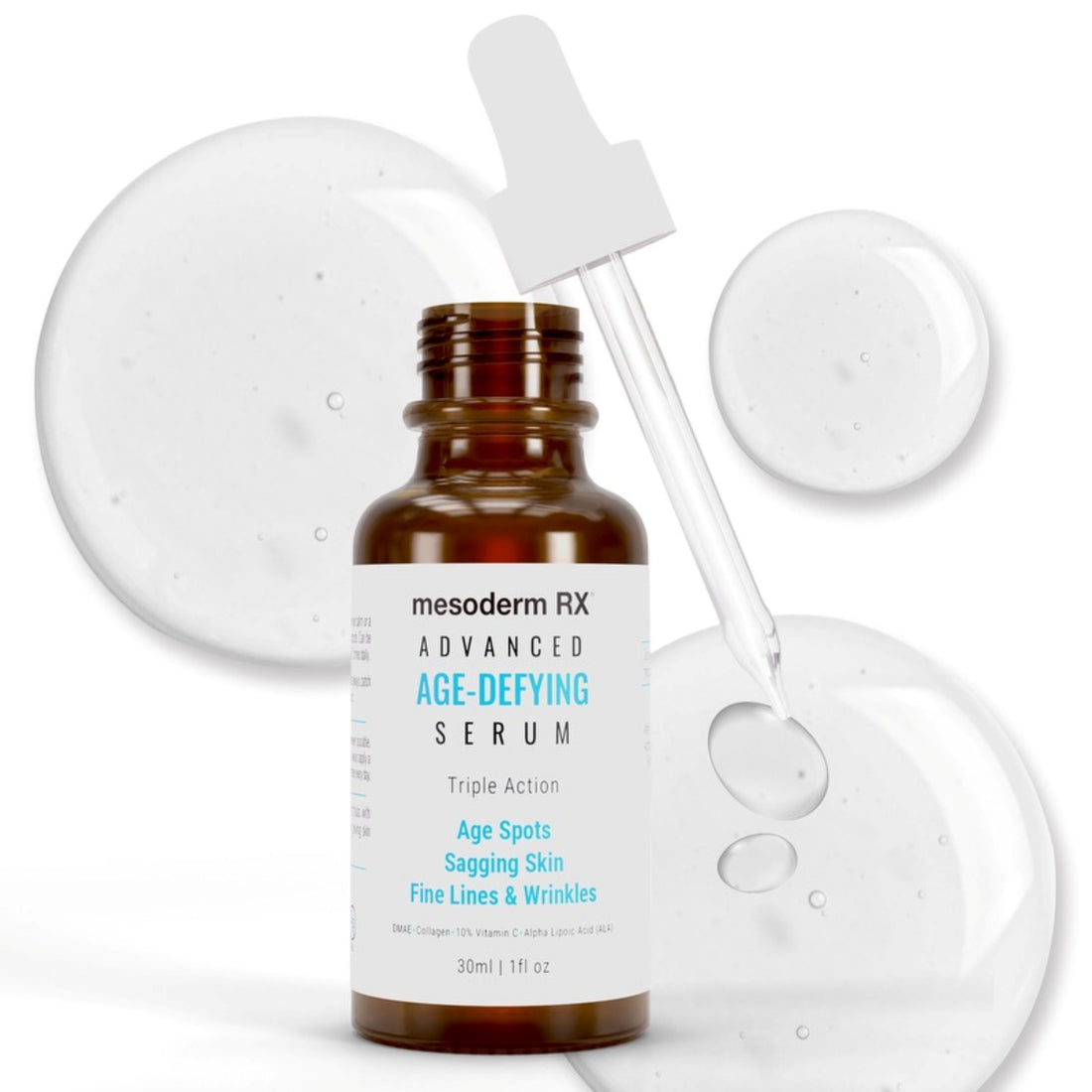
Featured Product
Advanced Triple Action Age-Defying Serum
TURN BACK TIME WITH A SERUM THAT RESTORES, REPAIRS, AND REJUVENATES
Shop Now →What Retinol 1.0 Biologically Means for Your Skin
A 1.0% retinol cream is not a cosmetic flourish. It is a high-dose biological signal.
Obagi Retinol 1.0 is positioned as a strong over-the-counter retinol for visible photoaging, rough texture, uneven tone, and discoloration, with a gradual-delivery approach intended to reduce irritation during use (Obagi Retinol 1.0 overview). That positioning matters because concentration alone does not predict outcome. At this strength, the skin's response depends on conversion efficiency, barrier condition, application frequency, and the formula vehicle.

How the signal works inside skin
Retinol has to be converted in skin before it can do much. The pathway is retinol to retinaldehyde to retinoic acid. Retinoic acid is the form that binds nuclear receptors and changes gene expression in keratinocytes and fibroblasts.
That signaling shifts epidermal behavior first. Keratinocyte turnover becomes more orderly, corneocyte shedding normalizes, and compacted surface cells clear more efficiently. Clinically, that can translate into smoother texture, less dullness, and fewer microcomedones. It can also produce dryness and sting if the barrier cannot keep pace with the increased turnover.
The dermal effects matter more for aging concerns, but they take longer. Retinoid signaling can support collagen synthesis, reduce some matrix degradation, and improve the organization of the epidermis over time. That is why a well-run retinol protocol can soften fine lines and improve tactile roughness. It is also why impatient use often fails. The biological upside is slow, while irritation can show up within days.
Why pigment response is inconsistent
Retinol does not treat every form of pigmentation equally.
It can help with uneven tone related to photodamage and sluggish epidermal turnover because it speeds desquamation and improves the distribution of melanin through the upper epidermis. Some sun spots and residual post-inflammatory marks can fade more evenly under that pattern of renewal.
Melasma is less predictable. Friction-related darkening is less forgiving. Intimate hyperpigmentation is a poor target for 1.0% retinol in many cases because those sites have lower tolerance, higher transepidermal water loss, and a greater risk of irritation-driven pigment rebound. In clinic, I would rather use a site-appropriate brightening formula than force a face-strength retinoid onto fragile or occluded skin and then spend weeks calming the reaction it caused.
The trade-off is simple. Retinol can improve discoloration when the skin stays quiet. Once erythema and barrier disruption enter the picture, pigment control usually gets worse, not better.
Why delivery system and base formulation change the outcome
A 1.0% retinol product is a dose inside a vehicle. The vehicle determines how aggressively that dose reaches skin.
Independent ingredient review of Obagi Retinol 1.0 describes a cream formula with emollients, silicones, solvent or humectant components, thickeners, and an encapsulated or time-release retinol approach intended to improve tolerability at a high strength (INCIDecoder ingredient analysis). That kind of delivery system can reduce the rate at which free retinol hits the skin at once, which often means less early stinging and flaking.
Two creams can both say 1.0% and behave very differently because release rate, solvent system, occlusivity, and supporting ingredients change penetration and tolerance. One formula may be steady enough for experienced users to maintain. Another may provoke enough inflammation to interrupt use before any remodeling benefit has time to appear.
That is the true biological meaning of retinol 1.0. It is a strong stimulus with a narrow margin for error, and the skin only benefits if exposure is controlled well enough to avoid chronic irritation.
Assessing Your Candidacy for 1.0% Retinol
The question often arises, “How do I use retinol 1.0 cream?” The more important question is, should you be using it at all?
At this concentration, candidacy matters more than enthusiasm. High-strength retinol can be productive for the right user and counterproductive for the wrong one.
Who usually qualifies
The best candidate is already retinoid-acclimated. That means the skin has a history of tolerating vitamin A products without prolonged redness, stinging, or persistent barrier breakdown.
This user profile usually includes people dealing with:
- Established photoaging: Fine lines, visible wrinkles, rough texture, and uneven tone that haven't responded adequately to a lower-strength retinol routine.
- More resilient skin: Not perfect skin, but skin that doesn't spiral into irritation from a controlled active-based routine.
- A disciplined routine: Someone who already uses a bland cleanser, appropriate moisturizer, and consistent sunscreen instead of rotating random acids, scrubs, and “brightening” products on impulse.
SkinCeuticals explicitly positions its Retinol 1.0 for experienced users only and recommends that new users start with a lower strength such as 0.3% before increasing as tolerated (SkinCeuticals Retinol 1.0 guidance). That's not marketing decoration. It's a practical warning label.
Who usually should not use it
If any of the situations below apply, a retinol 1.0 cream is usually the wrong first move:
- You are new to retinoids: Starting with a high-potency formula often creates inflammation before it creates benefit.
- You have a reactive barrier: Rosacea-prone skin, eczema-prone skin, or skin that already burns with mild actives usually needs barrier repair and slower entry points.
- Your main concern is delicate-area pigmentation: Underarms, inner thighs, bikini line, and similar zones are more vulnerable to friction and post-inflammatory darkening.
- You are pregnant or breastfeeding: Retinoids are generally avoided unless a personal medical professional advises otherwise.
Decision rule: If your skin often feels “tight but shiny,” stings when moisturizer goes on, or reddens easily after cleansing, you're not looking at a need for stronger retinol. You're looking at a barrier problem.
The myth that everyone should “graduate” to 1.0
That ladder model fails because it assumes all skin has the same endpoint. It doesn't.
Some people do best at lower strengths long term because consistency beats intensity. A moderate retinol used steadily, without repeated interruption from irritation, often outperforms a stronger product used in cycles of overuse, peeling, stopping, and restarting. The visible goal isn't to prove tolerance. It's to build change while preserving skin function.
A good clinician doesn't ask, “How high can we go?” The better question is, “At what strength does this skin improve without chronic inflammation?” For many users, that answer is below 1.0%.
The Clinical Protocol for Introducing Retinol 1.0
A 1.0% retinol protocol should feel conservative. If it feels aggressive, the plan is wrong for the skin in front of you.

High-strength retinol increases epidermal turnover and can improve uneven texture, discoloration, and early photoaging over time. It also raises the margin for error. That is why I do not treat 1.0% retinol like a routine upgrade. I treat it like a controlled intervention. The goal is consistent receptor-level stimulation without tipping the skin into chronic inflammation.
Night routine that protects the barrier
Use this sequence:
-
Cleanse gently
Use a non-stripping cleanser. Skin should feel clean, not tight. That “squeaky” finish usually means you've removed too much surface lipid, which makes a strong retinoid harder to tolerate. -
Dry the skin completely
Apply retinol to fully dry skin. Residual water can increase penetration and turn an appropriate dose into an irritating one. -
Apply a pea-sized amount only
One pea-sized amount is enough for the full face. More product does not improve cell signaling. It usually improves irritation. -
Buffer if needed
If your barrier is easily disrupted, use moisturizer before and after retinol. On non-retinol nights, a calm, supportive routine matters more than adding extra treatment steps. Mesoderm RX explains the rationale well in its article on maintaining skin balance with toner choices. -
Keep the rest of the night simple
Do not pair a new 1.0% retinol with exfoliating acids, scrubs, benzoyl peroxide, or multiple leave-on actives. Each one can be useful on its own. Combined too early, they often create avoidable barrier injury.
Here is a visual overview of the process:
A reliable frequency progression
The common mistake is treating tolerance like a race. Skin biology does not reward speed.
A practical progression starts at once weekly, or twice weekly only if the person has already tolerated lower-strength retinoids well. Stay there until the skin is calm between applications. Calm means no lingering sting, no active peeling, and no redness that carries into the next day. Only then should frequency increase.
A simple progression looks like this:
- Weeks 1 to 2: once weekly
- Weeks 3 to 4: twice weekly if recovery is complete
- After that: increase gradually, with several stable weeks between changes
Some users never need to go beyond two or three nights per week. That is not failure. It is often the correct dose for long-term adherence and visible improvement.
For a consumer-facing discussion of common mistakes and side effect patterns, BotoxBarb's retinol advice is a useful companion read.
Morning protection changes the outcome
Night use is only half the protocol. Daily sun protection determines whether retinol helps pigmentation and texture, or whether the skin stays in a cycle of irritation and color rebound.
Use sunscreen every morning at SPF 30 or higher, and reapply based on actual exposure. This matters even more for patients using retinol to address post-acne marks or uneven tone. UV exposure can prolong visible discoloration while the retinoid is trying to normalize turnover.
What does not belong in a 1.0% retinol start
A few habits predict poor outcomes:
- Using extra product: A thicker layer raises irritation risk without producing better remodeling.
- Applying to compromised skin: Over-exfoliated, wind-burned, freshly shaved, or otherwise inflamed skin should not receive 1.0% retinol.
- Treating peeling as progress: Visible peeling is a side effect, not a treatment target.
- Expanding use to delicate pigmented areas: Inner thighs, underarms, bikini line, and similar zones often darken because of friction and inflammation. A strong facial retinol is often the wrong tool there. Targeted brightening formulas designed for those areas are usually the better clinical choice.
- Changing the whole routine at once: If cleanser, moisturizer, exfoliant, and retinol all change together, you cannot identify the true source of irritation.
Good retinol protocols are selective by design. The right patient can do very well with 1.0%. The wrong patient usually gets redness, inconsistency, and a weaker result than they would have achieved with a lower-strength plan.
Decoding and Managing Skin Irritation
Retinol users often misread the skin. They either panic at normal adjustment or ignore clear signs of injury. Both responses create problems.

Normal retinization versus barrier damage
Retinization is the adjustment phase. It can include mild dryness, light flaking, and temporary tightness. The key word is mild. The skin feels challenged, but still functional.
True irritation is different. Burning that continues, sharp stinging, angry prolonged redness, swelling, or a rash-like reaction means the barrier is no longer adapting well. At that point, continuing to “push through” is a mistake.
| Response pattern | What it usually means | What to do |
|---|---|---|
| Mild dryness and light flaking | Expected adjustment | Keep frequency low and increase moisturizer support |
| Tightness that settles with barrier care | Manageable stress | Stay at current frequency, don't increase yet |
| Ongoing stinging or persistent redness | Overload | Pause and simplify the routine |
| Swelling, severe burning, or rash-like reaction | Significant irritation | Stop use and seek professional guidance |
If moisturizer burns on contact after retinol nights, don't interpret that as proof the product is “working.” Interpret it as a signal to stop and reassess.
A simple response framework
Use a tiered approach instead of guessing:
- First-line adjustment: Reduce frequency and add a more occlusive moisturizer.
- Second-line adjustment: Pause all acids and other high-activity treatments until the skin is calm.
- Full stop point: If symptoms are intense or don't settle, discontinue and get evaluated.
For a consumer-friendly overview of common reactions and practical pacing, BotoxBarb's retinol advice is a useful reference. It aligns with what matters clinically: symptoms have to be interpreted, not admired.
Mesoderm RX also has a concise explainer on Retin-A skin peeling, and the same principle applies here. Peeling alone isn't a success metric. Controlled adaptation is.
The hidden pigmentation problem
This matters especially for people treating discoloration. Irritated skin produces inflammatory signaling, and inflammatory signaling can leave pigment behind. That means an overused retinol 1.0 cream can sabotage a brightening plan by creating the very inflammation that feeds post-inflammatory hyperpigmentation.
For that reason, the right response to irritation is often less treatment, not more determination.
Alternatives and Strategic Skin Brightening
A retinol 1.0 cream belongs in the toolkit. It does not belong at the center of every plan.
For many people, lower-strength retinol is the smarter long-term lane. It offers room to stay consistent, protect the barrier, and avoid the cycle of overcorrection that often follows stronger products. That matters even more when the concern is pigment, because pigment control is rarely about one heroic active. It's about reducing melanocyte stimulation, limiting inflammation, supporting turnover, and controlling UV exposure at the same time.
Retinol strength comparison
| Concentration | Ideal For | Irritation Potential |
|---|---|---|
| 0.3% | Newer retinol users and cautious entry into vitamin A use | Lower |
| 0.5% | Users who tolerate retinol and want more visible texture and tone work | Moderate |
| 1.0% | Experienced users with resilient skin and advanced photoaging concerns | High |
The biggest misuse of retinol 1.0 cream shows up in delicate, friction-prone areas. Inner thighs, underarms, and the bikini line don't behave like the forehead or cheeks. Those zones are more vulnerable to irritation, and irritation in those areas can worsen darkening instead of improving it.
That's why a targeted brightening strategy is often superior to forcing a facial retinoid into a non-facial problem. For post-inflammatory hyperpigmentation more broadly, NYC Laser skin clarity advice is worth reading because it frames pigment as a process problem, not just a surface stain.
When the goal is intimate-area or body-fold brightening, formulas built specifically for discoloration in delicate areas usually make more clinical sense than a high-potency retinol. Ingredients such as tranexamic acid, niacinamide, and arbutin are often more strategic in that context because they target pigment pathways without imposing the same level of retinoid stress. That same decision logic also applies when comparing over-the-counter retinol with stronger prescription-style pathways, which Mesoderm RX discusses in its article on tretinoin cream and Obagi considerations.
The practical takeaway is simple. Use retinol 1.0 cream when the skin, indication, and routine all justify it. Don't use it as a universal answer to every dark mark or texture complaint.
If you're building a routine around hyperpigmentation, uneven tone, or visible aging, Mesoderm RX offers a focused range built around high-potency, minimal-additive formulas. The brand is most useful when you think in systems instead of single-product hype: barrier support where the skin is stressed, resurfacing where turnover is sluggish, targeted brightening where pigment is the true issue, and daily UV defense to protect every result you earn.