


Retin A Skin Peeling: A Clinical Guide to Management
You start tretinoin because you want clearer, smoother, more even skin. Then the flaking starts. Makeup catches on dry patches. Your chin feels tight after cleansing. The temptation is to decide Retin-A is “too strong” or that your skin is rejecting it.
Usually, that's the wrong read.
Retin a skin peeling is often the visible part of a biological adjustment process called retinization. The common mistake isn't using tretinoin. It's using it without a management protocol. When you understand what the molecule is doing, peeling becomes easier to interpret, and much easier to control.
The Biology of Tretinoin-Induced Peeling
A patient starts tretinoin for acne marks or uneven tone, then calls a week later because the corners of the mouth are flaking and foundation is catching on dry patches. The common conclusion is that the product is too harsh. The better read is usually more precise. The skin is entering retinization, and the question is whether that process is controlled or excessive.
Tretinoin works through receptor-driven cell signaling in the epidermis. After application, it binds primarily to retinoic acid receptors and changes gene expression in keratinocytes. That shift alters how these cells proliferate, mature, and shed, which is why peeling is a biologic response to a new signaling environment, not dead skin being scrubbed off the surface. A detailed review in the Journal of Clinical and Aesthetic Dermatology explains how topical retinoids change epidermal differentiation, cohesion, and turnover during early treatment adaptation: clinical review of topical retinoid mechanisms and skin effects.
Under baseline conditions, keratinocytes rise through the epidermis in an ordered sequence, then shed from the stratum corneum with relatively even desquamation. Tretinoin accelerates that program before the barrier has fully adjusted. The result is visible scale, rough patches, and transient tightness.

What retinization changes
Tretinoin increases keratinocyte proliferation and normalizes differentiation across the upper epidermis. Over time, that leads to a more compact stratum corneum and a more orderly granular layer. Early on, though, those changes are not cosmetically graceful. Corneocytes shed in a more visible way because the surface is reorganizing faster than the barrier lipids can stabilize.
This matters most in skin with post-inflammatory hyperpigmentation or uneven tone. Pigment does not only depend on melanocyte activity. It also depends on how long pigment-containing keratinocytes remain near the surface. Retinization can help clear that backlog, but only if inflammation stays low. In darker skin tones and pigment-prone skin, poorly managed irritation can create the opposite outcome and prolong discoloration.
That is the trade-off clinicians manage.
Why peeling can happen during progress
Visible flaking does not mean tretinoin has failed. It means epidermal turnover has shifted. What matters is whether the barrier is still functional enough to tolerate that shift.
A functional barrier may feel dry, look mildly flaky, and sting briefly when moisturizer is applied. A compromised barrier tends to burn with bland products, stay red beyond the application window, and peel in sheets rather than fine scale. Those are different states, and they should not be managed the same way.
Practical rule: Productive retinization is controlled epidermal adaptation. Barrier injury is inflammatory overload.
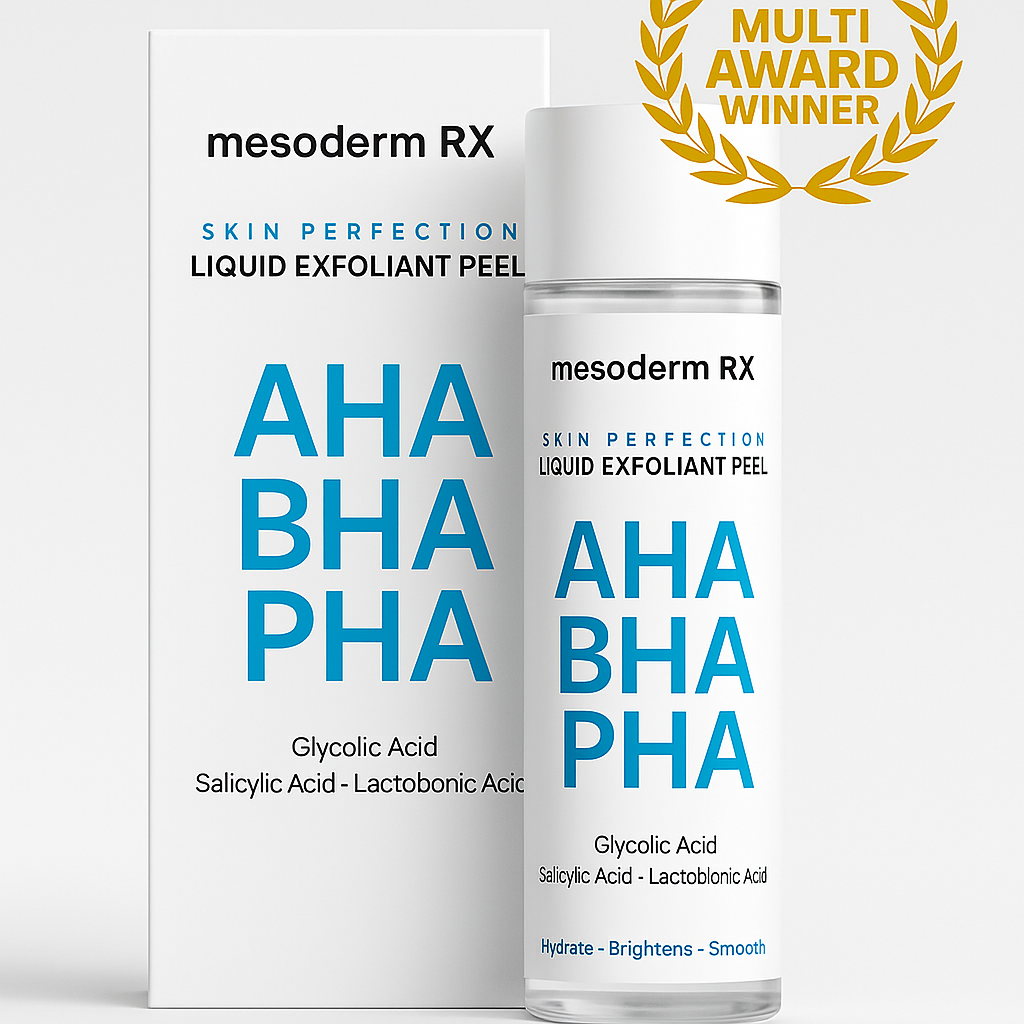
Featured Product
Skin Perfection Liquid Exfoliant Peel AHA BHA PHA
EXFOLIATES, CLEARS PORES, AND REVEALS RADIANT SKIN.
Shop Now →Why the process is often misread
Patients judge tretinoin by the mirror before they judge it by the biology. That is understandable, but it leads to poor decisions. They stop too early, restart too aggressively, add exfoliating acids, or scrub off flakes that were better managed with moisturization and dose adjustment.
Some people are also on the wrong retinoid for their starting point. If acne is mild, skin is reactive, or adherence is already a concern, adapalene can be the better first step. This guide on get clearer skin with adapalene offers a useful comparison.
For patients building a broader pigment and texture routine, retinoids also have to be sequenced with antioxidants and signaling peptides in a way the barrier can tolerate. Mesoderm RX outlines that larger routine logic in its article on why vitamin C, retinoids, and peptides are skincare powerhouses.
The clinical framing that matters
The goal is not to stop every flake the moment it appears. The goal is to keep retinization inside a tolerable range where cellular renewal improves texture, acne, and discoloration without tipping into sustained inflammation.
That framing changes treatment decisions. Peeling becomes a parameter to adjust, not a sign that tretinoin should be abandoned.
The Retinization Timeline What to Expect
Retinization has a rhythm. People struggle with tretinoin because they expect improvement to look elegant from day one. It rarely does. Tretinoin speeds cell turnover 2 to 3 times faster than baseline, shortening the usual 28-day cycle to about 10 to 14 days, and 70 to 80% of users report smoother texture by week 12 when they follow a proper moisturizing routine, according to this overview of peeling, turnover, and texture change.
The pattern most people see
The first phase usually feels dry rather than dramatic. Skin gets tighter after washing. Corners of the nose and mouth often show the earliest flaking. At this point, impatient users start adding scrubs, cleansing brushes, or “glow” acids. That makes the process worse.
The next phase is where most drop out. Peeling becomes more visible. If acne is part of the reason you started tretinoin, existing microcomedones can surface faster. Users often interpret this as failure, when it's often the point where the turnover shift is most obvious.
| Phase | Timeline | What to Expect |
|---|---|---|
| Early adjustment | Early use | Tightness, dryness, mild flaking, increased sensitivity after cleansing |
| Peak retinization | Mid-adjustment | More visible peeling, rough texture, possible purging in usual breakout-prone areas |
| Adaptation | Later adjustment | Less reactive skin, more even texture, fewer flakes, improved tolerance |
What tends to happen by phase
Early adjustment
You may not see dramatic peeling yet, but your barrier is already working harder. The mistake here is overconfidence. Skin looks “fine,” so users apply tretinoin too often, too soon.
Peak retinization
This is the phase that scares people off. Flakes become noticeable under makeup and around active facial movement. The psychological trap is assuming visible peeling means damage. Sometimes it does. Often it means the process is active and needs pacing, not abandonment.
If you quit during peak retinization, you often repeat the same adjustment curve later.
Adaptation
Skin starts behaving less erratically at this stage. Texture usually becomes more refined. Flaking settles. Application gets easier. Tretinoin stops feeling like a disruption and starts functioning like a treatment you can live with.
A lot of readers find it helpful to compare their own progress against real-world treatment expectations. This Mesoderm RX article on tretinoin cream before and after is a useful companion because it frames change as a process, not a one-week event.
The key diagnostic question
Ask yourself one thing: Is my skin gradually adapting, or is it becoming progressively more inflamed?
Adaptation looks messy, but trends in the right direction. Barrier injury keeps escalating. That difference matters more than whether you're flaking on any one day.
A Protocol for Minimizing Initial Peeling
A common early pattern looks like this. Someone starts tretinoin four or five nights in the first week, sees flaking around the mouth and nose, then assumes the product is "too strong." In practice, the problem is usually dosing strategy. Retinization is a controlled increase in epidermal turnover, and peeling rises when that turnover outpaces barrier recovery.

Frequency first
Start with 2 to 3 nights per week and hold that schedule until the skin is calm between applications. The goal is repeatable exposure, not maximum exposure. Corneocytes need time to shed in an organized way, and the barrier needs time to restore water balance and lipid structure after each application.
If stinging, heat, or persistent tightness shows up the morning after use, the schedule is too dense for your current tolerance. Keep the same strength and reduce nights before assuming you need to quit.
Buffering lowers irritation load
For reactive or dry-leaning skin, apply moisturizer first, then tretinoin, then a second layer of moisturizer if needed. That changes the rate of penetration enough to reduce early irritant dermatitis while still allowing the drug to do its work over time.
This approach helps most in three groups:
- Dry-leaning skin: lower baseline oil output gives less natural protection during the adjustment period.
- Pigment-prone skin: less inflammation means lower risk of lingering marks after irritation.
- First-time retinoid users: the barrier has not adapted yet to faster cell turnover.
Choose support products that add water and reduce transepidermal water loss without adding more stimulation. A formula such as Hydrating Skin Booster fits that role because it focuses on hydration and barrier support rather than exfoliation. In a tretinoin routine, that matters. Dehydrated skin flakes more, stings more, and is often misread as "allergic" when the issue is irritation.
Concentration sets the pace
Begin with 0.025% to 0.05% if you are new to tretinoin or you know your skin reacts easily. Higher strength can produce faster visible peeling, but that is not the same as faster long-term progress. Better adherence usually comes from a strength you can use consistently for months.
Clinic-level advice: Match the starting strength to barrier resilience, history of sensitivity, and pigment risk.
If access is the bottleneck, this guide on finding in-stock prescription retinoid treatments can help you compare availability options.
What to keep out of the routine at the start
During early retinization, remove other sources of controlled injury. That includes exfoliating acids, scrubs, benzoyl peroxide washes unless specifically directed, harsh foaming cleansers, and fragranced toners that increase sting potential.
A simple routine performs better here. Gentle cleanser, moisturizer, sunscreen, tretinoin on schedule. That framework gives the skin one adaptation task at a time, which is how you reduce peeling without interrupting the biological process that makes tretinoin effective.
Advanced Management for Persistent Peeling
When peeling keeps going, the answer usually isn't “add a thicker cream and hope.” Persistent peeling means your barrier is failing to adapt at the same pace your cell turnover has been accelerated. That requires a correction, not a pep talk.

Why prolonged peeling matters more in pigment-prone skin
For darker skin tones, irritation isn't just uncomfortable. It can create new discoloration. Up to 30% of users with Fitzpatrick skin types IV-VI experience prolonged irritation leading to post-inflammatory hyperpigmentation, and combining low-dose tretinoin at 0.025% with niacinamide reduced that PIH risk by 40% compared with tretinoin alone, based on this discussion of prolonged peeling and PIH risk.
That's the trade-off many simplistic guides ignore. If your routine chases brightening but repeatedly triggers inflammation, you can stall progress or move backward.
The correction strategy
Use this sequence when peeling has moved beyond the usual adjustment stage:
- Pause competing actives: Remove acids, vitamin C, exfoliating pads, acne washes, and fragranced toners.
- Reduce contact intensity: Short-contact therapy can help. Apply a low-strength tretinoin briefly, rinse, then moisturize.
- Rebuild the barrier on purpose: Look for ceramides, niacinamide, fatty acids, and bland moisturizers that reduce sting on application.
- Check your cleanser: A stripping cleanser can keep retinization from settling, even if the tretinoin schedule looks reasonable.
What does not work well is continuing full-strength nightly use while layering more actives on top. That approach can look “hardcore,” but clinically it's inefficient.
Rebuilding first, then re-escalating
A compromised barrier changes how every product feels. Water stings. Moisturizer burns. Pigment lingers longer after minor inflammation. In that state, trying to maintain your usual full routine is usually the wrong move.
Here's a useful visual walkthrough of technique and product handling:
Once skin is calm again, reintroduce tretinoin at a lower frequency. Keep niacinamide in the support layer if your skin tolerates it well. For patients prone to post-inflammatory marks, this often gives a better long-term result than trying to force daily use too early.
The goal is not maximum peeling. The goal is sustained renewal with minimal inflammation.
Red Flags and When to Consult a Dermatologist
A lot of bad tretinoin advice comes from a “no pain, no gain” mindset. That mindset is wrong. Productive retinization is controlled. Barrier injury is not.
A useful benchmark is this: peeling that covers less than 20% of the treated area is considered optimal for therapeutic effect, while peeling over 30% of the area with redness and stinging signals barrier compromise and calls for a 3 to 5 day pause, according to this benchmark for therapeutic versus excessive peeling.
What normal usually looks like
Manageable peeling tends to be superficial. The skin may feel dry, makeup may sit poorly, and flakes may collect around the nose, mouth, or chin. Moisturizer should still feel soothing or at least neutral.
That's very different from skin that feels raw.
Stop and get professional advice if you notice these signs
- Widespread peeling: More than the threshold above, especially if it's spreading rather than settling.
- Persistent burning or sharp stinging: Particularly when bland moisturizer or water causes significant discomfort.
- Cracking or weeping skin: This suggests barrier breakdown, not routine flaking.
- Marked redness that doesn't calm down: Especially if each application causes a stronger reaction than the last.
- Signs of infection: Crusting, pus, or tenderness that feels out of proportion.
What to do immediately
If you cross into the red-flag zone, stop tretinoin temporarily. Strip the routine down to a gentle cleanser, a barrier-supportive moisturizer, and sunscreen. Don't exfoliate the flakes off. Don't “make up for lost time” by restarting aggressively.
Peeling should taper as tolerance builds. If it keeps escalating, your skin isn't adapting. It's asking for intervention.
A dermatologist can determine whether you need a lower concentration, a different vehicle, less frequent application, or a different retinoid entirely.
Integrating Actives and Maximizing Results
Once the skin is acclimatized, tretinoin becomes much easier to build around. Many routines finally shift from “managing irritation” to targeting tone, texture, and visible aging in a coordinated way.
That shift matters because tretinoin does more than exfoliate. In a landmark case series and related clinical use, 1 to 5% tretinoin peels produced rapid lightening of melasma within 2.5 weeks and increased type I collagen production by 80% in photoaged skin, showing what controlled renewal plus targeted repair can do when used appropriately, as reported in this review of tretinoin peel outcomes in melasma and photoaging.
What to add, and when
After your skin is stable, actives can be layered with more precision.
Morning support
Vitamin C can make sense in the morning for antioxidant support and brightening, provided your skin is no longer reactive. If vitamin C still stings, you're not ready.
Exfoliating acids
AHAs, BHAs, and PHAs belong on non-tretinoin nights once tolerance is established. This is not beginner territory. The benefit is better textural refinement and help with persistent discoloration. The risk is over-exfoliation if timing is sloppy.
For readers building that kind of routine, Mesoderm RX has a practical guide to AHA and BHA products that fits well with a systems-based approach to resurfacing.
Professional peels
Some patients do better with periodic in-office resurfacing than with adding more at-home intensity. If you're considering procedural support, these rejuvenating peels for Tysons Corner patients show the kind of supervised peel options that can complement a retinoid plan.
The non-negotiable piece
Sunscreen decides whether your results hold. Freshly renewed skin is more vulnerable to UV-driven darkening. If your goal is melasma control, PIH prevention, or brightening of uneven tone, daily broad-spectrum SPF is not an accessory. It's part of treatment.
This is especially true after the skin has finally adapted and started responding well. Nothing undermines retinoid work faster than unmanaged UV exposure.
The bigger routine mistake to avoid
Don't treat actives like collectibles. A better routine is not the one with the most serums. It's the one where each active has a role, a schedule, and enough barrier support around it to remain usable.
That's how you get the upside of tretinoin without staying trapped in the irritation phase.
If you're building a routine around pigmentation, texture, and barrier health, Mesoderm RX offers a focused approach with high-potency, minimal-additive formulas designed to support brightening, smoothing, hydration, and daily protection. The right system doesn't try to overpower tretinoin. It helps your skin tolerate it, recover well, and perform better over time.