


How to Repair Damaged Skin Barrier: A Clinical Plan
Your skin usually tells you before your mirror does. It starts with a strange tightness after cleansing. Then your regular serum stings. Makeup sits badly. Redness hangs around longer than it should. A few days later, you're adding more “repair” products, but your skin feels worse, not better.
That pattern is common. The failure isn't typically due to neglecting one's skin. Rather, it occurs when individuals treat barrier damage like dehydration, or persist with exfoliants and retinoids even as the skin signals injury.
A damaged barrier isn't just dry skin. It's a structural problem. If you want real recovery, you need a short, disciplined rescue phase, then a controlled return to actives so you can still address pigment, acne, and aging without repeating the same cycle.
Understanding the Biology of a Damaged Skin Barrier
When skin feels tight, reactive, and hot after products that used to feel normal, the problem usually sits in the stratum corneum, the outermost defensive layer of skin.
The classic framework is the brick-and-mortar model. Corneocytes act as the bricks, while intercellular lipids act as the mortar. Those lipids include ceramides, cholesterol, and fatty acids. When that structure is intact, skin holds water and keeps irritants out. When the lipid matrix is depleted or disrupted, water escapes more easily and inflammatory triggers get in more easily. That's why barrier repair isn't just about adding moisture. It's about restoring structure, which is why modern dermatology guidance emphasizes lipid replacement, reducing water loss, fragrance-free formulas, and pausing strong actives while skin recovers, as outlined in this clinical review of barrier science.

What breakdown looks like in practice
Once the barrier is impaired, transepidermal water loss rises. You notice dryness, but dryness isn't the full story. Irritation thresholds also drop. Skin that tolerated acids, vitamin C, retinoids, shaving, or even tap water may suddenly burn or flush.
Common triggers include:
- Over-exfoliation with scrubs, acid toners, peels, or exfoliating pads
- Over-cleansing with stripping surfactants or repeated washing
- Heat exposure from hot water, steam, and aggressive rubbing
- Product overload where too many actives compete on already stressed skin
A damaged barrier makes ordinary skincare feel aggressive.
That's why I favor simple clinical triage over cosmetic guesswork. If skin is stinging, your first job isn't performance. It's stabilization.
For a consumer-friendly comparison of common triggers and repair basics, Neutralyze skin barrier advice is a useful reference point. If your routine also includes balancing steps, product pH matters more than many people realize, and this guide to a pH balance skin toner helps explain why.
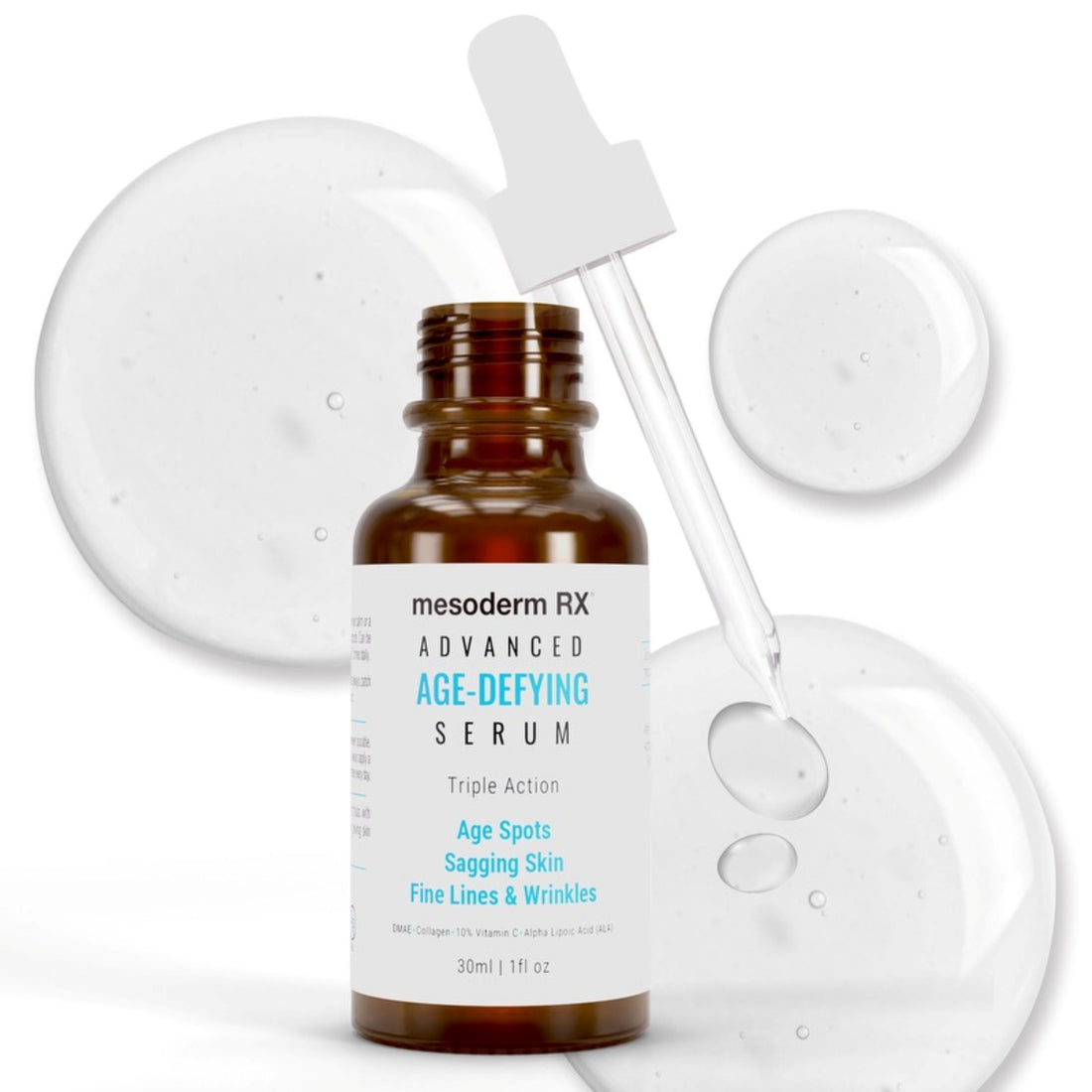
Featured Product
Advanced Triple Action Age-Defying Serum
TURN BACK TIME WITH A SERUM THAT RESTORES, REPAIRS, AND REJUVENATES
Shop Now →Signs of a Damaged Barrier and What to Stop Immediately
The fastest way to repair damaged skin barrier function is subtraction. Not another serum. Not a “detox” mask. Not a scrub to remove flakes.
If your skin burns when you moisturize, feels shiny and tight at the same time, or flushes after washing, you need to assume the barrier is compromised until proven otherwise.

The symptom pattern to recognize
Barrier damage tends to show up as a cluster, not a single issue.
- Persistent redness that lingers after cleansing or product application
- Flaking or peeling that doesn't improve with random moisturizers
- Stinging or burning from products that were previously tolerated
- Dryness and tightness shortly after washing
- Increased sensitivity to wind, sun, shaving, or routine skincare
These signs matter because people often misread them. They think the skin is congested and needs exfoliation, or dull and needs acids. In reality, skin may be inflamed and leaky, not dirty.
Stop these first
A clinical repair protocol starts by stopping all exfoliants and actives, using lukewarm water, cleansing only with a gentle pH-balanced cleanser around pH 4.0 to 5.0, then following with a lipid-replenishing moisturizer and a daily broad-spectrum SPF 30+, with actives reintroduced only after skin has been calm for 1 to 2 weeks according to this barrier repair guidance from Doctor Rogers.
In practical terms, stop:
- Retinoids of any strength
- Exfoliating acids such as AHAs, BHAs, and PHA-heavy treatments
- Physical exfoliants including scrubs, cleansing brushes, rough cloths, and peeling gels
- Hot water on the face
- Fragrance-heavy products and essential-oil-forward formulas
- High-foam cleansers that leave skin squeaky or tight
- DIY treatments like lemon, baking soda, or undiluted oils used as a “fix”
Practical rule: If a product gives you instant smoothness by force, it usually isn't helping injured skin heal.
A related mistake shows up in pigment care. People continue brightening products on irritated skin because they don't want dark marks to linger. That often backfires, especially in friction-prone or delicate areas. Even a targeted option like Intimate Skin Lightening Cream for Under Arms, Inner Thighs & Private Area, which is positioned for sensitive external areas, shouldn't be layered over actively inflamed or freshly over-exfoliated skin. Calm the tissue first. Then address discoloration.
If you're reassessing everything touching reactive skin, this guide to clean skincare for sensitive skin is worth reviewing because ingredient minimalism matters more than trend ingredients in this phase.
The Core Repair Protocol Ingredients and Formulations
Good barrier repair is a system. It isn't one hero ingredient doing all the work. You need water management, surface softening, and water-loss reduction happening together.
The three jobs a repair formula should do
Humectants pull in water. These are useful when skin feels dehydrated, papery, or tight. They help rehydrate the surface layers, especially when applied to slightly damp skin.
Emollients soften and smooth rough skin. They improve feel and reduce that brittle, flaky texture that makes damaged skin look older and more irritated than it is.
Occlusives reduce water loss by forming a protective film. The skin cannot then rebuild efficiently, as it would continue losing water to the environment.
What works is the combination. Humectants alone can feel nice and still leave skin exposed. Occlusives alone can reduce loss but may not address comfort or flexibility if the formula lacks supportive lipids. For a compromised barrier, I look for formulations that combine ceramides, squalane, glycerin, and, when needed, a more protective top layer.
Barrier Repair Ingredients Guide
| Ingredient Category | Prioritize for Repair | Pause During Recovery |
|---|---|---|
| Humectants | Glycerin, hyaluronic acid | Acid exfoliating toners |
| Lipid-replenishing ingredients | Ceramides, cholesterol, fatty acids, squalane | Retinoids |
| Soothing moisturizers | Fragrance-free, minimal-ingredient creams | Fragranced creams and essential oils |
| Protective sealants | Petrolatum or ointment-style occlusives when very inflamed | Scrubs and cleansing tools |
| Cleansing support | Gentle pH-balanced cleansers | Harsh foaming cleansers |
What to look for on the label
The “brick-and-mortar” model gives you a straightforward filter. Prioritize ingredients that resemble or support the skin's own lipid architecture.
Choose formulas with:
- Ceramides to help replenish barrier lipids
- Cholesterol and fatty acids when available in barrier-focused creams
- Squalane for lightweight lipid support
- Glycerin for reliable hydration
- Petrolatum when skin is cracked, highly inflamed, or losing water rapidly
Avoid the common trap of buying five barrier products at once. Layering too many “repair” products can create pilling, trap irritation, or overwhelm acne-prone skin with unnecessary occlusion. Minimum effective routine beats product stacking.
The best barrier routine is often the shortest one you can do consistently without stinging.
If you want a deeper product-selection framework, this article on a skin barrier repair serum is useful because it focuses on formulation logic rather than trend-led ingredient lists.
A Sample Morning and Evening Repair Routine
A repair routine should feel almost boring. That's a good sign. Injured skin doesn't need novelty. It needs predictability.

Morning routine
For many people, morning cleansing is optional during recovery. If you don't wake up oily or sweaty, a lukewarm water rinse is often enough.
-
Rinse or cleanse gently
Use lukewarm water. If you need cleanser, choose a mild non-stripping formula. -
Apply a hydrating layer to damp skin
A simple humectant-rich serum works well here. Damp application improves comfort and reduces the tight feeling that follows cleansing. -
Use a barrier moisturizer
Choose a fragrance-free cream with lipid support. Spread it gently. Don't massage aggressively trying to “work it in.” -
Finish with broad-spectrum sunscreen
Sunscreen isn't optional during repair. UV exposure keeps inflammation active and slows recovery.
Evening routine
Night care should clean the skin without restarting the day's irritation.
-
Remove sunscreen and debris carefully
Use a gentle cleanser once. Don't double-cleanse unless you absolutely need to. -
Apply hydration while the skin is still slightly damp
A simple serum helps reduce that immediate post-wash discomfort. -
Seal with a richer moisturizer
Night is when many people benefit from a denser cream, especially if indoor air is dry. -
Add an occlusive only if necessary
If skin is highly inflamed, a thin layer of ointment over moisturizer can help reduce water loss.
A quick visual walkthrough can help if you're trying to simplify your order of application:
What not to add back too early
Don't use the repair phase to sneak in “gentle exfoliation.” Don't spot treat with acids. Don't use strong niacinamide formulas just because they're marketed as barrier-friendly.
The cleanest routine is usually:
- AM rinse, moisturizer, sunscreen
- PM gentle cleanse, hydrating layer, moisturizer
- Optional ointment only when skin is markedly inflamed or raw
That simplicity is what allows the skin to normalize.
Recovery Timeline and How to Reintroduce Actives
A common failure point happens after the skin starts to feel better. The burning settles, the flaking drops, and people restart retinoids, acids, vitamin C, and spot treatments too fast. Then the same irritation pattern returns.
Recovery takes longer than the first visible improvement. Skin often feels calmer before it is fully resilient. As noted in this CeraVe skin barrier overview, barrier recovery is usually measured in weeks, and more severe disruption can take longer if the trigger is still in play.

What “ready” actually looks like
Use symptoms, not impatience, to decide when to restart treatment. Skin is usually ready for reintroduction when cleanser and moisturizer no longer sting, post-wash redness is minimal and brief, and the skin can stay comfortable for several days in a row without new dry patches or reactive areas.
That last part matters.
A damaged barrier often tolerates one application, then fails after repeated exposure. Delayed irritation is more useful than first-night comfort as a marker of readiness.
A phased return that protects progress
A staged plan works better than randomly adding products back. The goal is not just to rescue the barrier. The goal is to get back to treating pigment, acne, or photoaging without recreating the same injury.
Phase 1: Stability first
Stay on the basic routine until the skin is predictably calm. No testing. No “just once” exfoliation.
Phase 2: Choose one treatment lane
Pick the active that matches the main concern. For hyperpigmentation, that may be a brightening pathway or a very controlled exfoliating pathway. For aging, start with one retinoid pathway. Do not restart both categories together.
Phase 3: Low frequency, fixed schedule
Use the chosen active sparingly at first and keep the rest of the routine plain. A fixed schedule is easier to evaluate than reacting day by day based on how the skin looked that morning.
Phase 4: Reassess before adding a second active
If the skin stays calm, you can add another category on a different night. If stinging, diffuse redness, or rough reactive patches return, stop the newest active first and return to the repair routine.
As advised in this First Aid Beauty barrier repair guide, alternating exfoliants and retinoids is safer than stacking them on the same night during recovery.
The trade-offs matter
If pigment is the main concern, restarting too aggressively can prolong inflammation and leave discoloration in place longer. If anti-aging is the priority, pushing retinoids onto unstable skin often creates more downtime than progress. In practice, slower reintroduction gets better long-term compliance because the skin stays usable.
I tell clients to judge success by tolerance over time, not by how many actives they can fit back in.
This same stepwise logic shows up in other recovery models. Remove stressors, stabilize function, then add variables back one at a time. The principle is similar to the approach described in IBS and leaky gut repair.
If exfoliation comes back later, use it as a targeted tool. One example is Mesoderm RX AHA BHA PHA Dark Spot Whitening Serum, introduced only after barrier stability is clear and only on a reduced schedule at first. Products like that belong in the results phase, not the rescue phase.
Maintaining Barrier Health and When to See a Dermatologist
A common pattern shows up after barrier recovery. Skin finally feels comfortable again, then the old routine returns all at once. Within days, the tightness, sting, or patchy redness starts creeping back. Long-term maintenance is what prevents that cycle.
Barrier damage usually comes from cumulative irritation, not one dramatic mistake. Over-cleansing, frequent exfoliation, aggressive retinoid use, harsh acne treatments, and inconsistent sunscreen all chip away at recovery. The goal after repair is not to keep skin in permanent rehab. It is to keep the barrier stable enough that you can use performance-driven actives with control instead of provoking inflammation every few weeks.
The habits that keep skin resilient
Maintenance starts with restraint. Cleanse gently, moisturize consistently, and keep daily UV protection in place, because ultraviolet exposure can sustain inflammation and worsen post-inflammatory pigment changes. If a treatment plan includes retinoids, acids, vitamin C, or pigment-correcting agents, use them on a schedule your skin can tolerate.
In practice, that usually means keeping at least a few low-intervention nights each week. Skin does not benefit from being pushed to the edge of tolerance.
For long-term maintenance, keep these rules in place:
- Cleanse for removal, not for a stripped feeling
- Moisturize daily, even when the skin feels normal
- Use broad-spectrum SPF 30 or higher every morning
- Separate stronger actives instead of stacking them in one routine
- Reduce frequency early if stinging, diffuse redness, or roughness returns
- Treat flare signals as data, not as a cue to add more products
This is also where trade-offs matter. If hyperpigmentation is the main concern, repeated low-grade irritation can keep melanocytes active and make discoloration linger. If aging is the priority, forcing retinoid frequency too fast often creates enough irritation to interrupt use altogether. A slower, stable plan usually gets better long-term results than an aggressive plan that repeatedly collapses.
When home care is no longer enough
Some presentations need diagnosis, not more trial and error. Persistent burning, swelling, eyelid involvement, rash around the mouth, acne-like bumps that worsen with barrier creams, or scaling that does not respond to a simplified routine can point to eczema, allergic contact dermatitis, rosacea, seborrheic dermatitis, or perioral dermatitis rather than simple irritation.
See a dermatologist if:
- Symptoms keep worsening after you remove likely irritants
- Burning or redness persists despite a gentle routine
- You suspect an allergy, especially after introducing a new product
- There is crusting, oozing, marked swelling, or pain
- The rash involves the eyes, mouth, or large areas of the face
- You are unsure whether the issue is irritation or an inflammatory skin condition
Ongoing burning needs an evaluation.
Barrier care works best when the skin is treated like tissue rebuilding its structure. Once that structure is stable, stronger actives can be used more strategically and with fewer setbacks. That is the difference between temporary rescue and a routine that also supports pigment control, acne management, or healthy aging over time.
Mesoderm RX builds routines around high-potency, minimal-additive skincare for concerns like uneven tone, dark spots, dryness, and visible aging. If you want a simpler way to balance barrier support with performance-driven treatment, explore Mesoderm RX.