


How to Prevent Dark Spots on Face: Expert Dermatologist
Most advice on dark spots is incomplete. “Wear sunscreen” is correct, but it's not enough if you treat hyperpigmentation like a surface stain instead of a biological process.
Dark spots form because skin cells receive a signal to make and distribute more pigment. That signal can come from ultraviolet light, visible light, inflammation from acne or picking, hormonal shifts, or repeated irritation from the wrong products. If you only react after a spot appears, you're already late.
That's the answer to how to prevent dark spots on face. You need a system that reduces pigment triggers, slows melanin production, and limits the inflammatory events that keep telling melanocytes to overwork. Single-product thinking fails because hyperpigmentation doesn't come from a single pathway.
Understanding the Enemy Melanin and Its Triggers
A dark spot isn't just “extra color.” It's excess melanin deposited unevenly in skin after melanocytes have been activated. Melanocytes are the pigment-producing cells. They manufacture melanin, package it, and transfer it to neighboring keratinocytes. That process is protective when it's controlled. It becomes a cosmetic and often chronic problem when the signaling is excessive or repetitive.
At the center of that process is tyrosinase, the key enzyme in melanogenesis. The cellular sequence matters. The rate-limiting enzyme tyrosinase converts tyrosine to dopaquinone, and its activity is regulated by proteins including PKC, MITF, and MC1R. UV radiation activates PKC-β through membrane lipid changes, which then activates tyrosinase and stimulates melanin production, as described in this melanogenesis review.

The pigment pathway you need to understand
Think of melanogenesis as a production line:
- Trigger arrives: UV exposure, inflammation, or hormones stimulate melanocytes.
- Tyrosinase turns on: This enzyme drives melanin synthesis.
- Pigment is transferred: Melanin moves into surrounding skin cells.
- Spot becomes visible: Repeated activation creates persistent discoloration.
That's why prevention has to start before pigment becomes obvious in the mirror.
Practical rule: If your routine doesn't reduce triggers and control tyrosinase activity, it isn't a real prevention routine.
Not all dark spots are the same
Patients often lump everything under “hyperpigmentation,” but the biology differs.
| Type | What it looks like | Main trigger |
|---|---|---|
| Solar lentigines | Flat brown spots on sun-exposed areas | Cumulative sun exposure |
| Post-inflammatory hyperpigmentation | Marks left after acne, rash, injury, or procedures | Inflammation |
| Melasma | Patchy, often symmetrical discoloration | Hormones, light exposure, heat |
This distinction matters. PIH is often driven by inflammation. Sun spots are largely cumulative photodamage. Melasma is more reactive and often more stubborn because multiple triggers converge.
Skin type also changes risk. UV exposure is the primary external trigger for melanogenesis, and individuals with Fitzpatrick Skin Types IV to VI are particularly susceptible to hyperpigmentation, especially PIH, according to this overview of hyperpigmentation triggers in skin biology.
If you want a broader clinical breakdown of triggers, this guide on what causes hyperpigmentation on face is a useful companion.
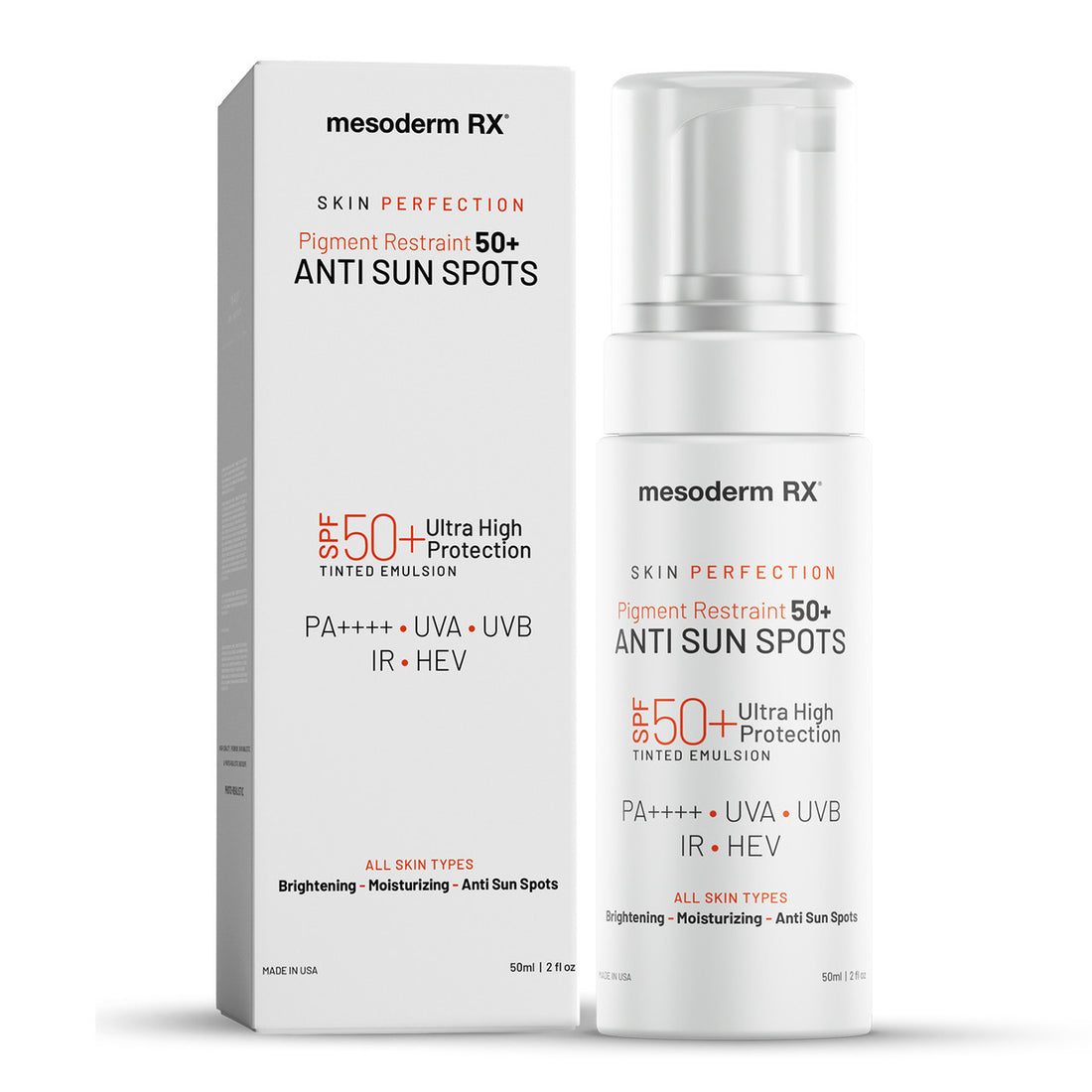
Featured Product
Pigment Restraint Ultra High Sun Protection
SHIELDS FROM UV DAMAGE AND SUN-INDUCED DARK SPOTS
Shop Now →The Cycle of Failure Why Your Efforts Are Not Working
Dark spots often get worse because the prevention strategy starts too late and the treatment strategy is too aggressive.
By the time pigment is visible, melanocytes have already been activated. If the response is lemon juice, harsh scrubs, frequent peels, or picking at acne, the skin reads that as another injury. Keratinocytes release inflammatory signals, melanocytes stay switched on, and more melanin gets transferred into surrounding skin cells. That is how a fading attempt turns into fresh post-inflammatory hyperpigmentation.
Lemon juice is a classic mistake. It is acidic, inconsistent, and capable of causing irritant dermatitis. Abrasive scrubs add friction. Repeated over-exfoliation weakens the barrier, increases transepidermal water loss, and keeps skin in a chronic inflammatory state. In acne-prone skin, lesion manipulation is one of the fastest ways to prolong discoloration. The American Academy of Dermatology specifically advises against picking, scrubbing, or using irritating spot-fading methods in its guidance on how to fade dark spots.

The reactive mindset is the core mistake
The bigger problem is timing.
Many patients wait until they see a mark, then reach for a single “brightening” product and expect it to override weeks or months of UV exposure, inflammation, heat, or acne trauma. That approach fails because hyperpigmentation is not driven by one pathway. It is fed by several. Light exposure stimulates melanogenesis. Inflammation amplifies it. Barrier injury makes both harder to control.
UC Davis Health highlights the prevention side clearly in its discussion of how to prevent and reduce dark spots. Their point is practical. Earlier, consistent prevention outperforms late-stage correction.
Dark spots respond best to routine control of triggers, not panic treatment after pigment is established.
Patterns that keep hyperpigmentation cycling
These are the mistakes that show up repeatedly in practice:
- Using one brightening serum while UV and visible light exposure continue: Melanocytes keep receiving the same signal.
- Exfoliating with too much frequency or intensity: Barrier disruption increases inflammation, which is a major driver of PIH.
- Depending on makeup with SPF: The amount applied is usually too low to provide the labeled protection.
- Treating every mark as if it were the same condition: PIH, melasma, and sun spots do not respond the same way.
- Changing products too often: Irritation rises, adherence falls, and it becomes hard to tell what is helping.
A controlled chemical exfoliant can still have a role. The trade-off is simple. Mild, spaced exfoliation can improve desquamation and help manage surface pigment, while aggressive resurfacing increases the risk of rebound discoloration, especially in darker skin tones. If someone wants a leave-on resurfacing option, Skin Perfection Liquid Exfoliant Peel AHA BHA PHA is one example of a non-abrasive formula that uses AHA, BHA, and PHA rather than mechanical friction.
For readers comparing product categories, this guide to skin discoloration cream options helps clarify what different formulas are designed to target. For a broader patient-facing overview of treatment approaches, Lumina Skin Sanctuary's sun spot solutions explains how sun damage and melasma can overlap in real-world cases.
The Unskippable Foundation Daily SPF Discipline
If you're serious about prevention, sunscreen isn't one step among many. It's the step that determines whether the rest of the routine has a chance to work.
The American Academy of Dermatology states that daily use of a broad-spectrum sunscreen with SPF 30 or higher is the most effective single method for preventing dark spots, and it is “just as important as topical treatments” in managing hyperpigmentation, according to the AAD's guidance on fading and preventing dark spots.

What correct sunscreen use actually looks like
Most sunscreen failure is application failure.
- Choose broad-spectrum protection: SPF 30 is the floor for hyperpigmentation-prone skin.
- Use it every morning: Not just beach days, not just summer.
- Reapply every two hours: That's what the AAD recommends when you're exposed.
- Cover commonly missed areas: Ears, neck, chest, and hands matter.
- Use shade and clothing: Protective clothing with UPF 40 to 50 and limiting exposure can reduce formation of age spots and dark spots by up to 60%, as summarized in the AAD-linked verified guidance above.
The AAD also notes that tinted sunscreens with iron oxide help protect against visible light, which matters especially in darker skin tones and in melasma-prone patients. This is one of the most overlooked details in prevention.
Here's a practical visual demonstration worth watching before you assume your sunscreen habits are “good enough.”
The excuses that sabotage pigment control
Foundation with SPF isn't enough. Neither is a moisturizer with low SPF applied thinly. The FDA advises using SPF 15 or higher daily, but dermatologists consistently recommend SPF 30 for stronger prevention, especially during peak sun hours between 10 a.m. and 2 p.m., when UV rays are most intense, as reflected in the same AAD-verified prevention guidance above.
A sunscreen built for pigment-prone skin should address more than one wavelength concern. Pigment Restraint Ultra High Sun Protection is described as a fast-absorbing, non-greasy formula designed to protect against UVA, UVB, IR, and HEV-combination rays, which is the kind of protection profile people with recurrent discoloration often look for.
If you apply active ingredients faithfully but use sunscreen casually, the sun wins.
For anyone comparing options specifically for discoloration-prone skin, this review of the best sunscreen for hyperpigmentation is worth reading.
Building Your Topical Defense System
Pigment prevention fails when every product is asked to do every job. A better approach assigns each topical a clear role in the biology of hyperpigmentation.
Sunscreen reduces incoming UV exposure. Topicals handle the rest: oxidative stress, inflammatory signaling, tyrosinase activity, pigment transfer, and the slow shedding of pigment that has already reached the epidermis. If that system is incomplete, dark spots keep returning even when one product looks impressive on paper.
I group useful topicals into three working categories: signal dampeners, pigment suppressors, and turnover regulators.

Signal dampeners that reduce oxidative and inflammatory triggers
Melanocytes respond to more than sunlight. They also respond to reactive oxygen species and inflammatory mediators released after UV exposure, acne, friction, and irritation. That is one reason pigment-prone skin often worsens with harsh routines.
Vitamin C is a practical first-line antioxidant because it helps limit oxidative signaling and can also interfere with melanin formation. Niacinamide earns its place for a different reason. It supports the barrier, reduces inflammatory stress, and can help limit transfer of melanosomes from melanocytes to keratinocytes. Those are useful prevention effects, not just cosmetic extras.
This category matters most in patients who tan easily, develop post-acne marks, or react badly to aggressive products.
Pigment suppressors that slow melanin synthesis
If melanocytes are being stimulated, the next target is the enzyme machinery that makes pigment. Tyrosinase is the main enzyme here. If tyrosinase activity stays high, melanin production continues. If you reduce that activity, you lower pigment output closer to the source.
Common options include azelaic acid, kojic acid, tranexamic acid, cysteamine, and vitamin C. The right choice depends on skin sensitivity, acne history, pregnancy status, and how much irritation the patient can tolerate. In practice, azelaic acid is often one of the most useful options because it addresses acne, inflammation, and pigment at the same time. Kojic acid can be effective, but it causes irritation in some patients. That trade-off matters because irritated skin can create the very discoloration you are trying to prevent.
Clinical reviews of topical depigmenting agents report visible improvement over weeks to months when these ingredients are used consistently and paired with daily sunscreen, as summarized in this review of topical management strategies for hyperpigmentation.
| Function | Ingredients | Why they matter |
|---|---|---|
| Oxidative stress control | Vitamin C, niacinamide | Reduces oxidative and inflammatory signaling that can stimulate melanocytes |
| Melanin suppression | Azelaic acid, kojic acid, tranexamic acid, vitamin C | Slows pigment production by interfering with key pathways, including tyrosinase |
| Turnover support | Retinoids, glycolic acid, lactic acid, PHAs | Helps disperse existing surface pigment and improves response to other actives |
Turnover regulators that clear retained pigment without creating more inflammation
Dark spots do not fade efficiently if pigmented keratinocytes sit in the upper epidermis for weeks. Retinoids and carefully selected exfoliating acids help move that pigment out through normal cell turnover.
Retinoids are usually more useful for long-term prevention than people expect. They improve epidermal turnover, support acne control, and can make other pigment-directed ingredients work better. Acids can help too, but frequency matters more than strength in many cases. Over-exfoliation strips the barrier, increases inflammation, and can trigger post-inflammatory hyperpigmentation, especially in deeper skin tones.
I usually favor a staggered schedule over stacking multiple strong actives in one night. Patients tolerate it better, and adherence is better.
Clinical advice: The best brightening routine is the strongest routine your skin can repeat without getting inflamed.
A practical structure looks like this:
- Morning: antioxidant or niacinamide, then sunscreen
- Evening on most nights: a pigment suppressor such as azelaic acid
- Evening on selected nights: a retinoid or a gentle exfoliating acid, instead of layering every active together
- Barrier support as needed: plain moisturizer to reduce irritation and keep the routine sustainable
For mature or photodamaged skin that also needs antioxidant support, Advanced Triple Action Age-Defying Serum is a factual example of a formula that includes Vitamin C and alpha lipoic acid alongside barrier-supportive and firming ingredients. That kind of multitasking can improve adherence for patients who will not keep up with several separate steps.
What actually prevents recurrence
The goal is not to find one hero ingredient. The goal is to cover the pathways that keep pigment active.
- Reduce oxidative and inflammatory signaling with well-tolerated antioxidants and barrier-supportive ingredients.
- Suppress melanin production with targeted pigment inhibitors selected for your skin's tolerance.
- Normalize turnover with retinoids or gentle acids used on a schedule your skin can maintain.
- Avoid treatment-induced irritation so prevention does not turn into a new trigger.
That is how a topical routine shifts from reactive spot treatment to a real prevention system. Mesoderm RX's product design fits that logic in a factual sense: concentrated actives, fewer unnecessary additives, and formulas that map to pigment pathways rather than vague brightening claims.
Supporting Your Strategy With Lifestyle Modifications
Dark spot prevention isn't just about what you apply. It's also about what you stop doing to your skin.
If you're prone to PIH, every inflamed pimple, every scratch, every “I'll just squeeze this once” moment can become a pigment event. That means acne control is part of pigment prevention. Gentle cleansing, early acne treatment, and keeping hands off lesions matter more than most brightening serums.

Daily habits that lower pigment risk
Use these as force multipliers for the topical plan:
- Stop picking: Trauma prolongs inflammation and increases the chance that a blemish leaves a mark.
- Keep cleansing gentle: Tight, squeaky skin isn't clean skin. It's irritated skin.
- Avoid friction: Rough towels, abrasive cleansing tools, and frequent scrubbing can all provoke discoloration.
- Manage heat exposure if melasma is a concern: Heat can aggravate pigment instability in some patients.
- Treat procedures carefully: After peels, lasers, or hair removal, follow a conservative aftercare plan so irritation doesn't trigger rebound pigment.
Barrier health is a prevention tool
A compromised barrier makes active routines much harder to tolerate. Then people stop, restart, overcorrect, and flare again. Prevention depends on consistency, so barrier support isn't optional.
That usually means:
- A mild cleanser instead of a foaming stripper
- A moisturizer that reduces dryness and sting
- Fewer active layers when skin feels reactive
- Temporary reduction in exfoliation if redness appears
One of the reasons some people never get ahead of dark spots is that they keep injuring the skin in the name of “treatment.” Calm skin responds better.
If your face burns, peels excessively, or stays red, your prevention routine is too aggressive.
Your Proactive Prevention Routine and When to See a Dermatologist
A usable routine should be boring enough to repeat.
Morning routine Cleanse gently if needed. Apply an antioxidant serum. Follow with a pigment-control product if your skin tolerates one in the morning. Finish with broad-spectrum sunscreen and reapply when exposed.
Evening routine Cleanse thoroughly but gently. Use a tyrosinase-inhibiting product on most nights. Alternate in a retinoid or controlled chemical exfoliant on selected nights rather than piling everything together. Seal with moisturizer if your barrier runs dry or reactive.
That's the system. Prevent the trigger, interrupt pigment synthesis, and avoid unnecessary inflammation.
See a dermatologist if the pigmentation is patchy and suggests melasma, if spots keep recurring despite consistency, or if discoloration changes in a way that looks medically unusual. Professional care also makes sense when you need prescription-strength options or in-office treatment planning. If you're considering procedural help for uneven tone, this overview on addressing sun spots and redness gives a useful look at where device-based treatment can fit.
Hyperpigmentation responds to discipline more than intensity. If you want to know how to prevent dark spots on face, the answer is straightforward: protect daily, treat early, and stop provoking the skin.
Mesoderm RX offers a practical way to build that kind of routine with targeted pigment-care products, daily UV protection, and active-focused formulas designed for straightforward use. If you want a simple system for discoloration-prone skin, explore Mesoderm RX.