


Why Your Skin Discoloration Cream Isn't Working
A clinical skin discoloration cream is not a moisturizer. It is a targeted treatment, engineered to intervene in the specific biological pathways that generate hyperpigmentation. To be effective, it must do more than hydrate; it must interrupt the melanogenesis cascade at its source, fading existing discoloration and, critically, preventing new pigment from forming.
Most treatments fail because they are based on a superficial understanding of skin biology. Effective intervention requires a multi-pronged approach that addresses the root cause of the problem: the overproduction of melanin deep within the skin.
Layer 1: The Biology of Discoloration

To correct discoloration, one must first understand its origin. Hyperpigmentation—the clinical term for dark spots and uneven patches—is the final manifestation of a complex cellular process.
Deep within the basal layer of the epidermis reside specialized cells called melanocytes. Their primary function is to produce melanin, the pigment responsible for the color of skin, hair, and eyes.
Melanin: A Protective, Yet Problematic, Pigment
Melanin’s primary biological role is photoprotection. In response to ultraviolet (UV) radiation, melanocytes increase melanin production to shield skin cell DNA from damage—this is the mechanism of a tan. However, UV radiation is not the sole trigger.
Other significant catalysts can activate this pigment production:
- Inflammation: A pimple, insect bite, or rash triggers an inflammatory cascade. As part of the healing response, melanocytes can be stimulated, resulting in post-inflammatory hyperpigmentation (PIH).
- Hormonal Fluctuations: Changes in estrogen and progesterone levels—due to pregnancy, oral contraceptives, or other hormonal shifts—can stimulate melanocytes, leading to the patchy, symmetrical discoloration known as melasma.
- Dermal Injury: Any trauma to the skin, such as a cut, burn, or aggressive cosmetic procedure, can provoke a pigmentary response during the repair process.
This overproduction is the direct cause of all hyperpigmentation. Controlling it requires managing triggers and, more importantly, interrupting the production mechanism itself.
Tyrosinase: The Master Switch of Melanin Synthesis
Within each melanocyte, a critical enzyme called tyrosinase functions as the primary regulator of melanin synthesis. When a trigger—UV light, inflammation, hormones—sends a signal, tyrosinase is activated. This initiates the multi-step biochemical conversion of the amino acid tyrosine into melanin.
Key Clinical Insight: Inhibiting tyrosinase activity is the most effective strategy for preventing the formation of new pigment. By blocking this enzyme, you shut down the melanin factory before production begins. This is the foundational principle of any serious skin discoloration treatment.
Superficial exfoliation alone is a fundamentally flawed approach. The problem originates at a biochemical level, far below the surface.
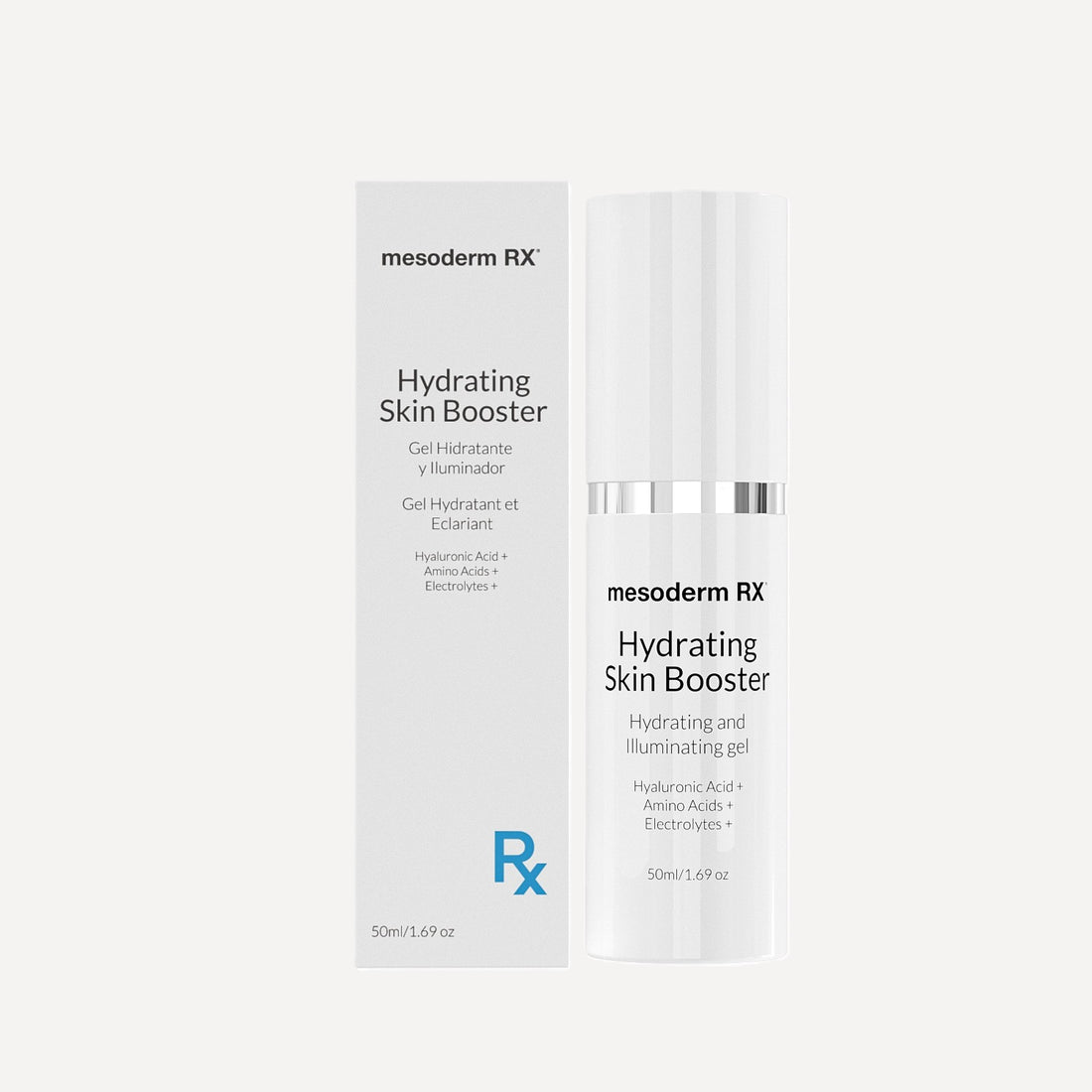
Featured Product
Hydrating Skin Booster | Deep Moisture & Glow Support
Deeply hydrates and refreshes the skin, helping improve texture and promote a natural, healthy glow.
Shop Now →Define the Condition: Not All Discoloration is Equal
Applying a universal treatment to distinct pigmentary disorders is a common cause of failure. Accurate diagnosis is the first step toward an effective protocol.
- Sun Spots (Solar Lentigines): Clearly demarcated brown macules that appear on sun-exposed areas like the face, hands, and décolletage. They are a direct result of cumulative UV exposure.
- Post-Inflammatory Hyperpigmentation (PIH): Flat, discolored macules that remain after an inflammatory event (e.g., acne, eczema) has resolved. Color can range from pink to red, brown, or black, depending on skin tone and the depth of the inflammation.
- Melasma: Characterized by larger, often symmetrical patches of brown or grayish-brown pigmentation. It is hormonally driven and notoriously difficult to treat, commonly appearing on the cheeks, forehead, and upper lip.
While all involve excess melanin, the specific triggers and the depth of pigment deposition vary. An effective treatment plan must be tailored to the specific condition.
Layer 2: Why Most Discoloration Protocols Fail
If your efforts to correct discoloration with over-the-counter creams have yielded minimal results, you are not alone. The failure is not a reflection of your consistency but of the flawed strategies built into most consumer-grade products.
The path to an even skin tone is consistently undermined by one-dimensional thinking. The industry promotes single "hero" ingredients or simple antioxidant serums, ignoring the complex, multi-stage process of melanogenesis.
The Myth of the Single-Ingredient Solution
Countless products are marketed around a single active ingredient, promising it will eradicate dark spots. Relying on Vitamin C alone is akin to using a single sandbag against a flood. While beneficial as an antioxidant, it cannot single-handedly address the entire pigmentation cascade.
Clinical Reality: True correction demands a multi-pronged attack. An effective protocol must simultaneously: 1) protect from UV radiation, 2) inhibit tyrosinase to block new melanin synthesis, 3) prevent the transfer of melanin to surface skin cells, and 4) accelerate the desquamation of existing pigmented cells. A single-ingredient product is incapable of performing all these functions.
Past failures were not personal; they were the predictable outcome of an incomplete, non-systematic approach.
Ineffective Formulations & Flawed Methodologies
Beyond the single-ingredient fallacy, several common strategic errors guarantee failure and perpetuate consumer frustration.
- "Fairy Dust" Concentrations: A product may list a popular active ingredient, but the concentration is so low as to be therapeutically irrelevant. This is a marketing tactic, not a clinical formulation strategy.
- Aggressive Physical Exfoliation: Forcefully scrubbing at dark spots is counterproductive. The resulting irritation induces inflammation, which can trigger more post-inflammatory hyperpigmentation (PIH), worsening the very condition you aim to treat.
- Ignoring Melanin Synthesis: Relying solely on exfoliating acids (like glycolic acid) to remove surface pigment is a futile cycle. Without concurrent use of tyrosinase inhibitors, new pigment is synthesized as rapidly as the old is exfoliated away.
The demand for effective solutions is substantial. The hyperpigmentation treatment market was valued at USD 2.93 billion in 2024 and is projected to expand. This demand is driven by the prevalence of sun damage, acne-induced PIH, and melasma, conditions that require clinically sound solutions. You can dig deeper into this growing market in the full report on hyperpigmentation treatment.

Layer 3: A Systematic Protocol That Works
Let's be clear: achieving an even skin tone is not about finding a "miracle" product. It is about implementing a strategic, multi-step system. The most effective skin discoloration creams and serums function as part of a coordinated protocol, where each ingredient performs a specific role in disrupting the pigmentation cycle.
To achieve visible, lasting change, a formula must do more than exfoliate the surface. It must penetrate to the cellular level to suppress melanin overproduction, block its transfer to the skin's surface, and accelerate the removal of existing pigmented keratinocytes.
The Key Actives in Pigment Correction
Understanding the mechanism of action of key ingredients allows you to move from hopeful purchasing to strategic selection. This is about deploying the correct tools for a specific biological job.
| Active Ingredient | Mechanism of Action | Primary Indication |
|---|---|---|
| Vitamin C (L-Ascorbic Acid) | Potent antioxidant that neutralizes free radicals from UV exposure, reducing a primary trigger for melanogenesis. Also directly inhibits the tyrosinase enzyme. | Sun-induced pigmentation, general dullness, prevention. |
| AHAs, BHAs, PHAs | Chemical exfoliants that increase cellular turnover by dissolving intercellular bonds, accelerating the shedding of pigmented surface cells. Enhances penetration of other actives. | Surface-level hyperpigmentation, uneven texture. |
| Niacinamide | Functions as a "transfer inhibitor." Prevents the melanosome (pigment granule) from being transferred from the melanocyte to surrounding keratinocytes, thus preventing surface expression of pigment. | Post-inflammatory hyperpigmentation (PIH), redness (erythema). |
| Tranexamic Acid | A synthetic derivative of the amino acid lysine. It inhibits plasmin, thereby reducing UV-induced pigmentation and calming inflammatory and vascular pathways often implicated in melasma. | Melasma, stubborn PIH, post-inflammatory erythema (PIE). |
| Retinoids | Vitamin A derivatives that act as cell-communicating agents. They accelerate cell turnover, pushing pigmented cells to the surface and away, while also helping to disperse melanin granules for a more uniform appearance. | Deep-set discoloration, photoaging, acne-related PIH. |
| Azelaic Acid | A dicarboxylic acid that selectively targets hyperactive melanocytes, inhibiting tyrosinase without affecting normally functioning cells. Also possesses anti-inflammatory and anti-acne properties. | PIH from acne, melasma, rosacea-related discoloration. |
These ingredients work synergistically. A well-formulated protocol combines several of these actives to target discoloration from multiple pathways, delivering more comprehensive and rapid results.
The Rationale for Hydroquinone-Free Formulations
For decades, hydroquinone was the dermatological standard for hyperpigmentation. However, the clinical conversation has evolved. Concerns regarding its long-term safety profile—including risks of irritation, cytotoxicity, and paradoxical darkening (exogenous ochronosis)—have driven the development of safer, equally effective alternatives.
Moving away from hydroquinone is not a compromise on efficacy. It is an advancement in safety and long-term skin health, enabling potent, consistent treatment without the associated risks.
This is a global dermatological shift. The skin lightening market, now valued at USD 370.7 million, is under increasing regulatory scrutiny. With hyperpigmentation affecting 40-50% of adults over 30, consumers and clinicians are demanding safer, high-performance solutions. You can see more insights on this market trend.
Modern cosmetic science has demonstrated that we do not need cytotoxic agents to achieve profound results. A strategic combination of ingredients like Tranexamic Acid, Niacinamide, Retinoids, and targeted exfoliants can rival the efficacy of hydroquinone by addressing pigmentation through multiple, non-toxic pathways. For a deeper analysis of these alternatives, you can read about our top 5 proven and natural ingredients to treat hyperpigmentation.
This is the core philosophy of Mesoderm RX. We engineer systems that deliver professional-grade results through a smart synergy of clinically validated, hydroquinone-free actives.
Building Your Daily Pigmentation Protocol
Let's be direct: you cannot apply a single discoloration cream and expect a meaningful outcome. Lasting results are the product of a strategic, bi-phasic system: a morning protocol for defense and an evening protocol for correction. This is not about adding more steps; it is about making each step count. Consistency is the non-negotiable variable that determines success.
The Morning Protocol: Defense
The primary objective of the morning routine is to shield the skin from environmental triggers—most notably UV radiation—that stimulate melanogenesis. This protocol prevents the formation of new pigmentation while your evening treatments work to correct existing discoloration.
- Cleanse: Use a gentle, non-stripping cleanser. An impaired or inflamed skin barrier is more susceptible to hyperpigmentation.
- Targeted Antioxidant Serum: Application of a potent antioxidant, such as a Vitamin C serum, is a critical step. It neutralizes free radicals generated by UV and pollution before they can trigger the pigment cascade.
- Moisturize: A well-hydrated stratum corneum is essential for maintaining a healthy skin barrier. A compromised barrier leads to inflammation, a known trigger for discoloration.
- SPF (The Critical Step): Finish with a broad-spectrum sunscreen of SPF 30 or higher. Without this, all other steps are rendered therapeutically ineffective. UV exposure is the primary driver of hyperpigmentation.
A common and critical error is reserving SPF for sunny days. UVA radiation, which contributes significantly to pigmentation and photoaging, penetrates clouds and glass. Daily, year-round sun protection is the absolute cornerstone of any successful pigmentation protocol.
To understand the specifics of photoprotection, you can review why daily use is critical and whether you can tan with SPF 30.
The Evening Protocol: Correction
The skin's natural repair processes are most active at night, making this the optimal time for intensive corrective treatments. The evening routine focuses on two primary actions: accelerating the removal of existing pigmented cells and inhibiting the synthesis of new melanin.
This is where a high-performance skin discoloration cream or serum is deployed.
- Cleanse: Thoroughly remove all makeup, oil, and sunscreen from the day. Double cleansing may be necessary to ensure a clean substrate for active ingredients.
-
Corrective Treatment: This is the core of the protocol. An intelligent system, such as the Mesoderm RX approach, will layer multiple actives that target pigmentation from different angles:
- Exfoliating Actives (AHAs/BHAs/Retinoids): These agents accelerate cellular turnover, promoting the desquamation of pigmented keratinocytes from the skin's surface.
- Pigment Inhibitors (Niacinamide, Tranexamic Acid, Azelaic Acid): These work deeper at the cellular level. They either block tyrosinase activity to stop melanin synthesis or inhibit its transfer to surface cells.
By combining accelerated exfoliation with pigment inhibition, you address the problem from both ends—clearing visible discoloration while simultaneously shutting down its source. This methodical, dual-pronged strategy is what delivers the clinical results that a single product cannot.
Treating Body & Intimate Discoloration

Discoloration is not limited to the face. Hyperpigmentation on the body—particularly in areas subject to friction like the underarms and inner thighs, as well as intimate areas—is a common but distinct clinical challenge. Treating this requires a specialized approach, as the skin's characteristics and the causative factors differ significantly from those of facial skin.
The Etiology of Body and Intimate Hyperpigmentation
Body discoloration is often less about sun exposure and more about mechanical and biological stressors unique to these areas.
Key triggers include:
- Friction-Induced Darkening (Acanthosis Nigricans): Chronic rubbing from clothing or skin-on-skin contact creates low-grade, persistent inflammation. The skin's defensive response is to thicken and produce excess pigment.
- Post-Inflammatory Hyperpigmentation (PIH): Hair removal methods like shaving and waxing cause micro-trauma. The subsequent inflammatory healing process can result in localized hyperpigmentation.
- Hormonal Influence: The same hormonal fluctuations that trigger facial melasma can cause or exacerbate pigmentation in intimate zones, which have a high density of hormone receptors.
The primary challenge in treating body and intimate hyperpigmentation is breaking the inflammatory cycle. Aggressive treatments can worsen the very problem you’re trying to solve by creating more irritation. A successful protocol must calm the skin while simultaneously inhibiting pigment production.
The Imperative of Specialized Formulations
Applying a high-concentration facial acid serum to the bikini line is a common and dangerous error. Such formulas are not designed for the delicate, often occluded skin in these areas and can lead to severe irritation, chemical burns, and a worsening of hyperpigmentation.
A cream designed for body and intimate discoloration must be engineered for both safety and efficacy. This necessitates a hydroquinone-free formulation that prioritizes gentle yet effective pigment inhibitors and anti-inflammatory agents.
Essential criteria for a body/intimate area formulation:
- Hydroquinone-Free: This is a non-negotiable safety parameter to avoid irritation and the risk of exogenous ochronosis with long-term use.
- Anti-Inflammatory & Soothing: Ingredients that mitigate inflammation are critical to breaking the PIH cycle caused by friction and hair removal.
- Gentle Pigment Inhibitors: Actives like Niacinamide and specific botanical extracts (e.g., licorice root) provide effective tyrosinase inhibition without the harshness of other agents.
- Barrier-Supporting Base: The formula must be hydrating and help maintain a healthy skin barrier, which is the body's first line of defense against irritants.
The Mesoderm RX intimate care philosophy is built on this safety-first, results-driven approach, delivering clinical efficacy without compromise.
Your Questions About Discoloration Creams, Answered
Implementing a clinical protocol for skin discoloration requires a clear understanding of expectations and best practices. Here are direct answers to the most common questions.
How Long Until I See Results?
Visible improvement is governed by the skin's cell turnover cycle, the time it takes for new cells to migrate from the basal layer to the surface. This process takes approximately 28 to 40 days.
Therefore, initial improvements in skin clarity and brightness are typically observed within 4 to 8 weeks of consistent, twice-daily application. For significant reduction of deep-set or stubborn pigmentation, a minimum of 12 weeks is a realistic timeframe. There are no biological shortcuts; consistency is the key variable.
Is Daily Sunscreen Use Mandatory?
Yes. It is non-negotiable. Using a discoloration treatment without daily sunscreen is clinically futile. It is analogous to bailing water from a boat without plugging the hole that is letting the water in.
UV radiation is the primary trigger for melanogenesis. By failing to use a broad-spectrum SPF 30 or higher daily, you are actively stimulating the formation of new pigment, counteracting any progress made by your corrective products. Sunscreen is not just a preventative measure; it is a critical component of the treatment itself.
Will Discoloration Return After Treatment?
Hyperpigmentation can recur. Treatment does not permanently disable melanocytes; it manages their over-activity. Triggers such as sun exposure, hormonal shifts, or inflammation can reactivate the pigment production pathways once a corrective protocol is discontinued.
Think of managing hyperpigmentation less like a one-time cure and more like managing a chronic condition. Long-term success is contingent on a maintenance strategy.
This maintenance phase consists of two core pillars:
- Uncompromising Sun Protection: This must be a permanent, daily habit.
- Maintenance with Actives: Continued use of key ingredients like retinoids or niacinamide, even at a reduced frequency, helps to suppress the melanogenic pathways and prevent recurrence.
Can These Creams Be Used on Sensitive Skin?
Yes, but with a specific protocol. Sensitive skin often correlates with a compromised skin barrier, increasing susceptibility to irritation from potent active ingredients. The approach must be "low and slow."
- Patch Test: Always test a new product on a small, discreet area of skin for 24-48 hours to screen for adverse reactions.
- Choose Clean Formulations: Avoid products with common irritants like fragrance, synthetic dyes, and drying alcohols.
- Start Slowly: Begin by applying the treatment 2-3 times per week. After two weeks, if no irritation occurs, you may gradually increase the frequency.
- Consider Buffering: Apply a simple, inert moisturizer before the corrective cream. This creates a buffer that can mitigate potential irritation without negating the efficacy of the active ingredients.
This careful, methodical introduction allows for the benefits of powerful actives without triggering an inflammatory response.
At Mesoderm RX, we do not formulate for compromise. Our systems are engineered for clinical-grade results with a superior safety profile. We utilize potent, proven actives in hydroquinone-free formulas that are gentle enough for long-term maintenance yet powerful enough to correct stubborn, existing discoloration. It is time for a protocol designed for real, visible change.