


The Clinical Authority on Vitamin E Serum: A 2026 Efficacy Guide
A vitamin E serum is a topical antioxidant treatment designed to mitigate environmental damage, reduce inflammation, and fortify the skin's lipid barrier. Its primary active, alpha-tocopherol, excels at neutralizing free radicals—unstable molecules that accelerate cellular aging. This guide defines its precise biological role, common formulation failures, and the criteria for a clinically effective system.
The Biological Mechanism: How Vitamin E Defends Skin Cells
To understand the function of a vitamin E serum, one must first grasp the biological conflict occurring within the skin. Daily exposure to environmental aggressors—primarily UV radiation and pollutants—generates free radicals. These molecules are highly unstable because they lack an electron.
In their quest for stability, free radicals aggressively steal electrons from healthy cellular structures, most notably the lipids (fats) that form the cell membrane. This process, termed lipid peroxidation, compromises the integrity of the cell wall. The downstream effects include a cascade of inflammation, DNA damage, and the degradation of collagen and elastin, manifesting as photoaging: wrinkles, laxity, and hyperpigmentation.
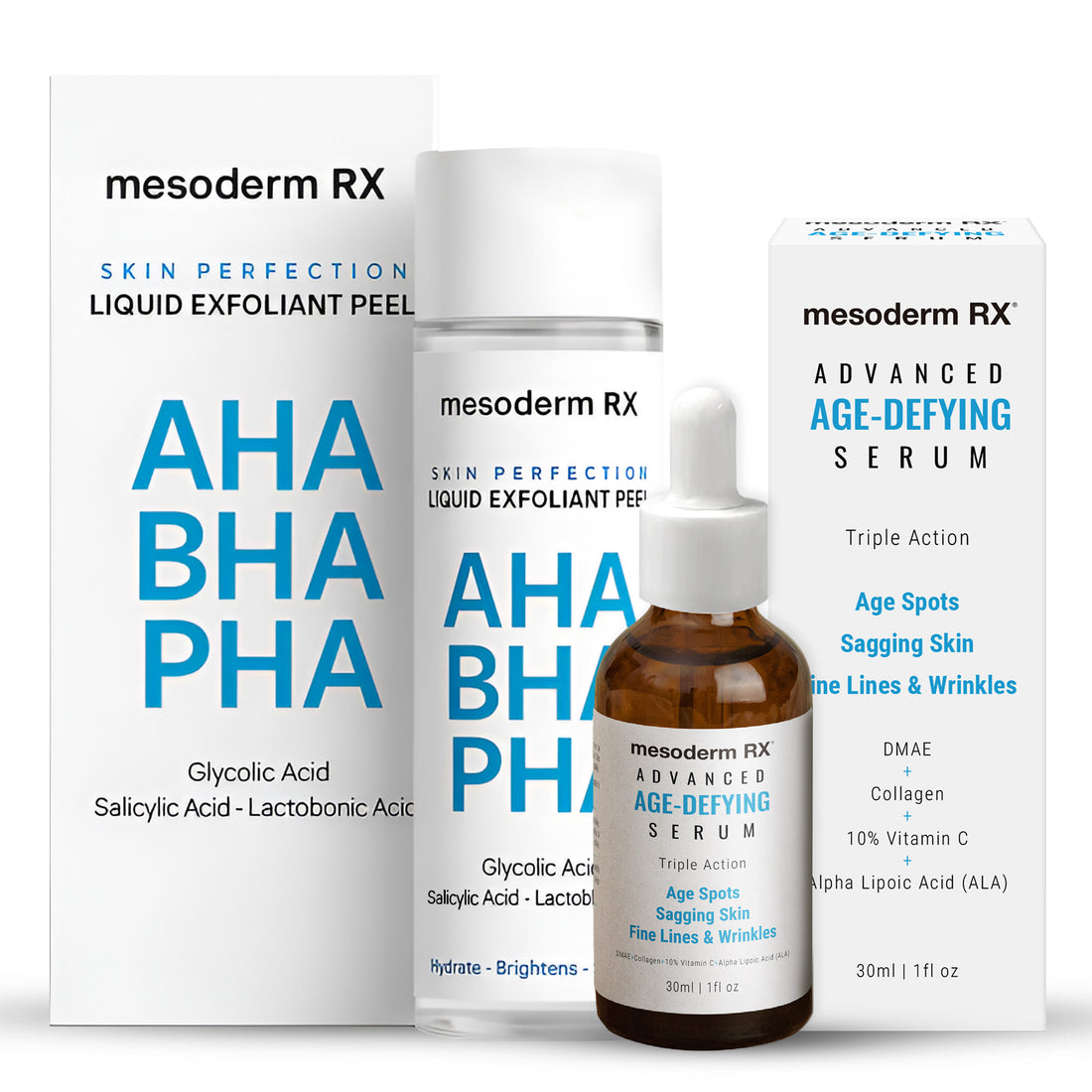
Featured Product
Anti-Aging Powerhouse | Advanced Skin Renewal Formula
Powerful formula designed to support smoother, firmer, and more youthful-looking skin. Helps improve texture and overall skin appearance for a healthy glow.
Shop Now →The Role of Alpha-Tocopherol as a Chain-Breaking Antioxidant
This is the specific environment where vitamin E, in its most bioavailable form alpha-tocopherol, demonstrates its clinical value. As a fat-soluble (lipophilic) antioxidant, it integrates directly into the lipid-rich cell membrane, positioning itself as a primary line of defense.
When a free radical attempts to attack the cell membrane, tocopherol intervenes by donating one of its own electrons. This act satisfies the free radical, neutralizing the immediate threat and breaking the chain reaction of oxidative damage. In essence, vitamin E sacrifices its own stability to preserve the structural and functional integrity of the skin cell.
This diagram illustrates how Vitamin E intercepts UV-induced free radicals, preventing them from damaging the cell membrane.

This illustrates the core mechanism: a shield at the cellular level that maintains epidermal integrity against oxidative stress.
Photoprotection and Antioxidant Synergy
A common misconception is that vitamin E functions as a sunscreen. It does not block or reflect UV radiation. Its photoprotective properties are indirect; it absorbs UV energy and mitigates the subsequent inflammatory cascade initiated by free radical damage.
However, vitamin E's efficacy is finite. After neutralizing a free radical by donating an electron, it becomes an oxidized, inert radical itself. This is where its critical partner, vitamin C (L-ascorbic acid), becomes essential.
Vitamin C regenerates oxidized vitamin E, restoring its antioxidant capacity. This recycling mechanism creates a synergistic, self-sustaining defense network that significantly enhances the skin's resilience against environmental aggressors.
This synergy is the foundation of high-efficacy antioxidant formulations. A product containing both actives is exponentially more potent than one containing either in isolation. This proven efficacy drives market demand.
The global Vitamin E market, valued at USD 2.550 billion in 2024, is projected by analysts like Spherical Insights to reach USD 4.620 billion by 2035. This growth is propelled by consumer demand for evidence-based, plant-derived antioxidants to counter daily oxidative stress.
An effective vitamin E serum is a tool for cellular defense. Its performance is contingent upon precise formulation, stability, and synergy with other actives. This dependency extends to the entire skin environment, including the importance of a low pH for optimal product penetration, a topic detailed in our guide on the importance of pH balance for skin health.
Diagnosis: Why Most Vitamin E Serums Fail
Many consumers purchase a vitamin E serum expecting antioxidant protection and visible improvement, yet experience negligible results. This failure is not user error; it is a consequence of formulation deficiencies driven by market economics rather than clinical efficacy.
The primary point of failure is the form of vitamin E used. A review of the ingredient list often reveals tocopheryl acetate, a synthetic ester of tocopherol. This form is chosen for its superior stability and low cost, which benefits shelf life and profit margins. However, it is biologically inefficient. The skin must enzymatically convert it to the usable tocopherol form, a process with very low yield, delivering minimal antioxidant benefit.
For a vitamin E serum to be effective, it must contain tocopherol—the pure, biologically active form of the vitamin that can be directly utilized by the skin's lipid barrier to neutralize free radicals on contact.

Concentration and Stability: The Inherent Formulation Flaws
Even when the correct form is used, two other factors render most serums ineffective: insufficient concentration and rapid degradation.
First, clinical studies demonstrate a required concentration of 0.5% to 1% pure tocopherol to achieve meaningful photoprotection. Many mass-market products contain only trace amounts—sufficient for "label claim" marketing but therapeutically useless.
Second, pure tocopherol is notoriously unstable, oxidizing upon exposure to light and air. A vitamin E serum packaged in a clear, dropper-style bottle is an immediate indicator of a flawed formulation, as the active ingredient is likely degraded before it even reaches the skin.
An effective vitamin E serum is an exercise in precision chemistry. It must utilize the correct active at a clinical concentration and be stabilized within an airtight, opaque delivery system to prevent premature oxidation.
The Myth of the Single-Ingredient Solution
The final diagnostic failure is the prevalent belief in a single-ingredient solution. Vitamin E is a potent antioxidant, but its efficacy is amplified exponentially when formulated as part of a synergistic system. Its performance is dependent on its supporting actives.
To diagnose a failed vitamin E serum, conduct a formula post-mortem:
- Form of Vitamin E: Was it tocopherol or the inert ester, tocopheryl acetate?
- Concentration: Was the percentage disclosed and within the 0.5%-1% therapeutic range?
- Packaging: Was it housed in an opaque, air-restrictive container to prevent oxidation?
- Synergy: Was it formulated with stabilizing partners like Vitamin C and Ferulic Acid to enhance potency and lifespan?
If the answer to any of these questions is negative or unknown, the product was engineered for marketability, not biological effect. Recognizing these formulation failures is the first step toward selecting a product that delivers clinical results.
Prescription: The Science of an Effective Vitamin E Formulation
Identifying a failed vitamin E serum is a diagnostic skill. Prescribing a solution requires understanding the principles of effective formulation science, where each component is selected for a precise, synergistic purpose.
Simply including Vitamin E in a product is insufficient. Pure tocopherol is highly unstable and degrades rapidly upon exposure to light and air, rendering it inert. An effective vitamin e serum is not an ingredient; it is a stabilized delivery system.

The Clinical Distinction: Tocopherol vs. Tocopheryl Acetate
The form of vitamin E used is the first critical checkpoint. Ingredient lists will feature either Tocopherol or Tocopheryl Acetate. They are not interchangeable.
Tocopherol is pure, bioavailable vitamin E, ready for immediate use by skin cells. Tocopheryl Acetate is a synthetic, stabilized ester. To be utilized, it must be converted back to tocopherol by skin enzymes—an inefficient process with a very low conversion rate. Clinical evidence shows minimal, if any, of the acetate form becomes bioavailable to the cells.
Using Tocopheryl Acetate is a common industry shortcut to extend shelf life at the expense of therapeutic benefit.
Tocopherol vs Tocopheryl Acetate: A Clinical Comparison
This table outlines the critical differences between the two common forms of Vitamin E. This knowledge is essential for differentiating products based on efficacy rather than marketing.
| Attribute | Tocopherol (Pure Vitamin E) | Tocopheryl Acetate (Ester Form) |
|---|---|---|
| Bioavailability | High. Readily absorbed and utilized by the skin. | Very low. Requires enzymatic conversion, an inefficient process. |
| Antioxidant Power | Potent. Directly neutralizes free radicals in the cell membrane. | Minimal to none. Lacks antioxidant function until converted. |
| Stability | Highly unstable. Oxidizes rapidly with exposure to light and air. | Very stable. Resists oxidation, enabling a long shelf life. |
| Formulation Needs | Requires stabilizing partners like Vitamin C and Ferulic Acid. | Simple to formulate; does not require complex stabilization. |
| Clinical Role | Provides evidence-based photoprotection and cellular defense. | Primarily functions as a conditioning agent; offers negligible therapeutic value. |
The clinical conclusion is clear: for genuine antioxidant benefits, a formula must be based on Tocopherol.
The Gold Standard: The C E Ferulic Antioxidant Trio
The benchmark for a high-potency antioxidant serum is the synergistic combination of L-Ascorbic Acid (Vitamin C), Alpha-Tocopherol (Vitamin E), and Ferulic Acid.
Ferulic Acid, a plant-based antioxidant, performs two critical functions:
- Stabilization: It shields the notoriously unstable Vitamins C and E from oxidative degradation, preserving the formula's potency.
- Amplification: It enhances their combined efficacy. Clinical studies confirm this specific trio doubles the formula's photoprotective capacity compared to Vitamin C alone.
In a correctly engineered C E Ferulic system, a regenerative loop is created. Vitamin C recharges oxidized Vitamin E, and Ferulic Acid stabilizes the entire complex. This ensures the serum remains potent and active from the first application to the last.
This synergy transforms a simple vitamin E serum from a transient antioxidant into a resilient, all-day cellular defense matrix.
The Non-Negotiables: Concentration and pH
Beyond the ingredients, two formulation parameters are absolute requirements for efficacy: concentration and pH.
For tocopherol (Vitamin E), clinical evidence mandates a concentration of at least 0.5% for meaningful photoprotection. The optimal concentration in high-potency formulations is 1%. Anything below this level offers no therapeutic benefit and serves only as "label dressing."
Equally critical is the formula's pH. For an antioxidant serum containing L-Ascorbic Acid to be effective, it must be formulated at a low pH—typically below 3.5. This acidic environment is required for two reasons: it maintains the stability of the active ingredients, and it facilitates their penetration through the skin's lipid barrier. A serum with correct ingredients but an incorrect pH will remain on the surface, rendered ineffective.
A clinically effective vitamin E serum requires:
- The bioavailable active form: tocopherol.
- A synergistic stabilizing system, such as the C E Ferulic trio.
- A therapeutic concentration of 1% Vitamin E.
- An acidic pH below 3.5 to ensure penetration and stability.
This knowledge allows for the critical evaluation of any product, separating formulations built on science from those built on marketing.
How to Integrate Vitamin E Into a Clinical Skincare Protocol
Effective skincare is not a collection of products; it is a repeatable system where each step enhances the function of the next. Integrating a vitamin E serum is a strategic decision to amplify the skin's defense architecture and improve the performance of other actives.
A properly formulated serum establishes an antioxidant reservoir within the skin. To maximize this benefit, timing and sequence are critical.
The AM Protocol: The Daytime Defensive Shield
The primary and non-negotiable application for a vitamin E serum is in the morning. Its principal function is to counteract oxidative stress from UV radiation and pollution—the primary environmental aggressors faced during the day.
The layering sequence is precise and functional:
- Cleanse: Begin with a clean surface to ensure optimal serum penetration.
- Apply Vitamin E Serum: Apply a few drops to dry skin. This allows the lipophilic tocopherol to integrate into the cellular lipid barrier before subsequent layers are applied.
- Moisturize (If Needed): After the serum has fully absorbed, apply a moisturizer if required by skin type.
- Apply Sunscreen: This is the mandatory final step. Sunscreen provides the primary physical and chemical barrier on the surface. Beneath this shield, vitamin E works at a cellular level, neutralizing free radicals that penetrate the sunblock.
This is a dual-defense strategy. Sunscreen is the frontline armor, deflecting the initial UV assault. The vitamin E serum is the internal defense system, neutralizing any threats that breach the primary barrier. This combined approach provides significantly greater photoprotection than sunscreen alone.
Market data validates this evidence-based approach. The vitamin serum market reached USD 1.2 billion in 2024 and is projected to nearly double to USD 2.2 billion by 2034, driven by proven actives like Vitamins C and E that defend against the biological drivers of skin aging.
The PM Protocol: The Retinoid Support System
While essential for daytime defense, vitamin E also serves a valuable role in a nighttime repair protocol, particularly when using potent retinoids.
Retinoids accelerate cell turnover and stimulate collagen synthesis, but they can induce irritation, erythema, and dryness. Vitamin E's anti-inflammatory properties can buffer these side effects, increasing treatment tolerance and compliance, which ultimately leads to better results.
The correct evening sequence is as follows:
-
Step 1: Cleanse Thoroughly Remove all makeup, sunscreen, and environmental debris.
-
Step 2: Apply Other Corrective Serums (Optional) If using other non-retinoid serums (e.g., for hyperpigmentation), apply them at this stage.
-
Step 3: Apply Your Retinoid Wait for previous layers to absorb completely to ensure even application and minimize irritation.
-
Step 4: Apply Vitamin E Serum or Moisturizer Applying a product containing vitamin E after the retinoid helps to calm the skin and reinforce the lipid barrier during its nocturnal repair phase.
This structured protocol ensures each active performs its function without interfering with others. By correctly positioning vitamin E within both morning and evening systems, you transition from merely using products to executing a clinical strategy. This is equally critical when incorporating other skincare powerhouses like peptides and advanced forms of Vitamin C.
Building a Complete System with Mesoderm RX

Understanding the science of an effective vitamin E serum is the first step. Achieving clinical results requires applying that knowledge to a cohesive, multi-step system. The era of collecting single "miracle" products is over; efficacy lies in a strategically built protocol.
The skincare market is saturated with formulation failures. A truly effective regimen cannot rely on one ingredient. It requires an integrated system where each product amplifies the efficacy of the next. This is the core philosophy of Mesoderm RX.
More Actives, Less Additives
Our formulation principle is simple: “More Actives, Less Additives.” This is not a marketing slogan; it is a direct response to an industry that prioritizes filler ingredients and sensory experience over biological function.
We engineer formulas with high concentrations of clinically validated actives while systematically eliminating superfluous additives—hydroquinone, parabens, sulfates, and synthetic fragrances. This high-potency, minimalist approach ensures every ingredient serves a specific therapeutic purpose.
This is especially critical when building a protocol around a vitamin E serum. Its protective and reparative benefits are maximized when it is part of a comprehensive strategy. For instance, combining a potent C+E Ferulic serum with targeted tyrosinase inhibitors and a high-SPF sunscreen creates a complete system for both preventing and correcting hyperpigmentation.
A complete system is an engineered protocol, not a collection of popular products. Each step prepares the skin for the next, creating a cascade of benefits that far exceeds what any single product could achieve alone. This is the difference between a skincare routine and a clinical regimen.
This intentional, sequenced methodology drives visible results, whether the goal is to resolve hyperpigmentation, refine texture, or establish a robust defense against photoaging.
Engineering a Protocol for Hyperpigmentation
Let's apply this to a clinical example. A protocol for hyperpigmentation must attack the condition from multiple biological pathways: inhibit melanin synthesis (tyrosinase), accelerate the desquamation of pigmented keratinocytes, and prevent UV-induced triggers.
Here is how Mesoderm RX products are structured into a hydroquinone-free clinical protocol:
-
Morning Step 1 (Correction and Exfoliation): AHA BHA PHA Dark Spot Whitening Serum This multi-acid complex initiates the process by dissolving the intercellular bonds holding pigmented, dead cells to the surface. By accelerating cell turnover, it fades existing discoloration and enhances the penetration of subsequent actives.
-
Morning Step 2 (Antioxidant Defense): A High-Potency Vitamin C+E Ferulic Serum Applied next, this serum establishes the skin's daily antioxidant reservoir. The C and E synergy neutralizes free radicals from UV exposure, thereby interrupting the inflammatory signals that trigger melanogenesis.
-
Morning Step 3 (Ultimate Prevention): Pigment Restraint Ultra High Sun Protection This is the non-negotiable final step that protects the investment made in the prior steps. Our advanced sunscreen provides broad-spectrum defense, blocking the UV radiation that initiates the entire pigmentation cascade. It creates a physical and chemical shield to prevent new damage and protect progress. Explore the advanced formulation of our sun protection to understand its role in locking in results.
This is the logical application of skin biology. The system is effective because it addresses the root causes of hyperpigmentation from multiple angles—exfoliation, antioxidant defense, and UV prevention—in the correct, synergistic sequence.
This commitment to clean, plant-based actives aligns with rising consumer intelligence. The natural Vitamin E cosmetics market, valued at USD 500 million, is projected to exceed USD 750 million by 2033. This growth reflects a demand for effective, transparent, and ethically formulated products—the standard at Mesoderm RX. You can examine these market trends for natural Vitamin E in cosmetics.
By integrating our vegan, Leaping Bunny Certified formulas into a structured protocol, you are not just using products. You are executing a clinical strategy for clear, even-toned, resilient skin.
Frequently Asked Questions About Vitamin E Serum
Informed skepticism is crucial when evaluating new active ingredients. This section provides direct, evidence-based answers to common questions about using a vitamin E serum.
Can Vitamin E Serum Clog Pores or Cause Acne?
This is a valid concern. Pure tocopherol is an oil (lipid-soluble). In poorly designed formulations using heavy, comedogenic carrier oils, it can contribute to follicular occlusion and acne, especially in oily or acne-prone skin types.
However, the issue lies with the total formulation, not the vitamin E itself. A high-quality, clinical-grade serum is engineered with a lightweight, non-comedogenic vehicle to deliver the active without occluding pores. For individuals prone to breakouts, a patch test on the jawline is a prudent measure before full-face application.
Should I Use Vitamin E Serum in the Morning or at Night?
For its primary antioxidant function, morning application is non-negotiable. The principal role of vitamin E is to defend cells against environmental damage from UV radiation and pollution, which are daytime stressors.
When layered under sunscreen, it creates a dual-defense system. The sunscreen blocks UV at the surface, while vitamin E neutralizes free radicals that penetrate this primary barrier. While nocturnal application can provide soothing benefits, it forfeits the active's most critical protective function.
The antioxidant shield provided by Vitamin E is immediate. However, visible results—improved texture, reduction in photodamage—are cumulative. Cellular repair is the outcome of consistent, daily protection over time, not a single application.
How Long Does It Take to See Results from Vitamin E Serum?
While cellular protection begins with the first application, visible changes require time and consistent use. The timeline depends on the serum's potency and the specific skin concern being addressed.
- Immediate to 2 Weeks: Initial effects typically include improved hydration and a reduction in inflammation as the serum reinforces the skin's lipid barrier.
- 4-8 Weeks: With daily use of an effective formula (e.g., 1% tocopherol with vitamin C), an improvement in skin tone and radiance should become apparent as superficial photodamage is addressed.
- 3-6 Months: Deeper structural improvements, such as a reduction in fine lines, require a longer timeframe. This reflects the skin's natural cell turnover and collagen remodeling cycles, which are now operating under enhanced protection.
Is It Safe to Combine Vitamin E with Retinol or Vitamin C?
Yes. Not only is it safe, it is a clinically sound strategy. These ingredients are synergistic, creating a protocol that is more effective than the sum of its parts.
- With Vitamin C: This is the gold-standard antioxidant combination. Vitamin C regenerates vitamin E after it has neutralized a free radical, effectively "recharging" it. In a C E Ferulic formulation, their combined photoprotective capacity is significantly amplified.
- With Retinol (at Night): A product containing Vitamin E can improve tolerance to retinoids. Its anti-inflammatory properties help mitigate the irritation and dryness often associated with retinoid use, which improves compliance and, ultimately, results.
When combining any potent actives, the standard protocol is to introduce them gradually, monitoring the skin's response to avoid overwhelming its barrier function.
At Mesoderm RX, we build our products on the principle of synergistic, science-backed skincare. Our formulas are engineered to work as a system, delivering "More Actives, Less Additives" for clinically observable results. Explore our complete line of high-potency, minimalist solutions at https://www.mesodermrx.com.