


Over Makeup Sunscreen: A Clinical Guide to Flawless SPF
Most advice on over makeup sunscreen starts from the wrong premise. It treats reapplication as a cosmetic workaround, as if the only question is how to avoid disturbing foundation. Clinically, that’s backwards. The key question is whether your technique preserves a continuous UV-protective film long enough to prevent pigment signaling in the first place.
For patients with melasma, post-inflammatory hyperpigmentation, or persistent uneven tone, weak reapplication isn’t neutral. It can push skin back into the same inflammatory and melanogenic cycle they’re trying to shut down. A polished finish means very little if the protection underneath is patchy.
The Flawed Premise of 'Set It and Forget It' Sun Protection
Morning sunscreen is a start, not a full-day strategy. That matters because under-application is common from the outset. A 2021 study in Skin Research and Technology found that users typically apply only 25 to 50% of the required sunscreen amount, yet layering makeup over that initial layer can increase the effective SPF by 2 to 3 times by improving the homogeneity of the UV-protective film (Skin Research and Technology study summary).
That finding gets misread all the time. It does not mean makeup replaces sunscreen. It means makeup can improve the performance of an already-applied sunscreen layer when real people use less than ideal amounts. The base still matters. The film still matters. Coverage still matters.
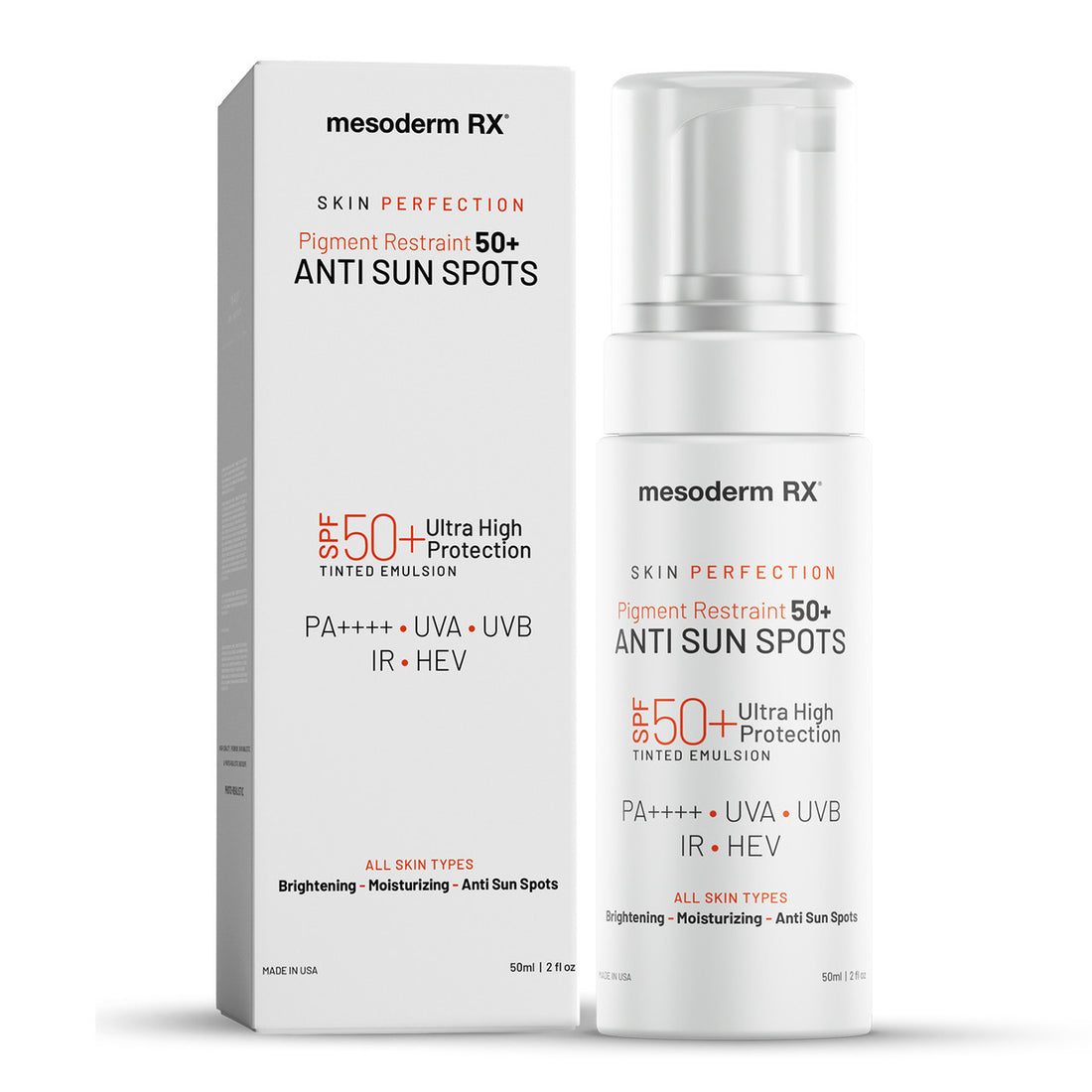
Featured Product
Pigment Restraint Ultra High Sun Protection
SHIELDS FROM UV DAMAGE AND SUN-INDUCED DARK SPOTS
Shop Now →Where the routine usually breaks
The typical routine fails in one of three places:
- Too little at baseline. The sunscreen layer is thin before makeup ever touches the skin.
- False confidence from makeup. SPF in foundation or powder is treated like full protection when it isn't applied in a protective thickness.
- No midday correction. People assume a single morning layer remains clinically meaningful late into the day.
Clinical reality: Over makeup sunscreen only works when it preserves coverage. If the method creates gaps, you keep the makeup and lose the protection.
This is why broad educational resources like Skin Perfection's summer sunscreen guide are useful. They reinforce the larger principle that sun protection is behavioral as much as formulary. The product matters, but the protocol determines the outcome.
Patients often ask whether they can still tan when using sunscreen. The better question is whether they’re creating enough consistent coverage to meaningfully reduce UV exposure over time. Mesoderm RX addresses that point well in its discussion of whether you can tan with SPF 30.
The Cellular Rationale for Sunscreen Reapplication
UV exposure doesn't just darken skin at the surface. It alters cellular signaling. Keratinocytes, melanocytes, inflammatory mediators, and oxidative stress pathways all participate in the visible outcome. If you are prone to hyperpigmentation, every gap in sunscreen coverage gives those pathways another opening.
What UV does to pigment biology
When UV reaches the skin, cells don't interpret it as a beauty problem. They interpret it as stress. That stress can increase inflammatory signaling and stimulate melanocytes to produce more melanin. Tyrosinase, a key enzyme in melanin production, becomes part of that response.
That’s why sunscreen is not just a finish step. It is a biological interruption tool. It reduces the UV burden that would otherwise trigger pigment production and sustain visible discoloration.
Three pigment patterns are often lumped together, but they behave differently:
- Sun spots usually reflect chronic cumulative exposure.
- Melasma is more reactive and often flares with UV exposure even when the visible dose seems modest.
- Post-inflammatory hyperpigmentation follows injury or inflammation, including acne, aggressive exfoliation, and friction.
Why flawed reapplication worsens visible tone
For pigment-prone skin, an incomplete midday touch-up creates a dangerous illusion. The patient feels protected, but the skin receives uneven exposure. Areas with better film integrity remain shielded while other areas absorb more UV. That inconsistency can leave tone looking blotchier, not just darker.
Uneven protection often translates into uneven pigment expression. In clinic, that is one reason a patient can be diligent about SPF and still report recurrent patchiness.
The practical implication is simple. If you want over makeup sunscreen to help with dark marks, melasma tendency, or lingering acne discoloration, your method has to maintain a coherent film. The cosmetic elegance of the reapplication matters only after the biology is addressed.
Why Most Over-Makeup SPF Strategies Fail
Most over makeup sunscreen advice overpromises because it confuses convenience with coverage. A product can feel light, preserve your concealer, and still fail to create a protective layer dense enough to matter.

Real-world metrics show that sunscreen protection over makeup declines by 16% after 2 hours. The same analysis reports that aerosol sprays deposit only 11 to 18% of the product on skin, while achieving SPF 50 from a powder sunscreen would require an impractically thick 85 mg application (analysis of reapplying sunscreen over makeup).
The spray problem
Sprays are popular because they seem effortless. The problem is transfer efficiency. If only a small fraction reaches the skin, the user often gets scent, surface dampness, and reassurance, but not enough deposited filter to rebuild protection.
Sprays also tend to be applied too far from the face, too briefly, or into moving air. The result is a broken film. In formulation terms, broad, even deposition is hard to achieve when the delivery method itself is imprecise.
The powder problem
Powder sunscreens have a place, but casual dusting isn't that place. A translucent veil may reduce shine and help preserve makeup, but that is not the same as establishing an effective UV shield.
If a patient is relying on powder alone after hours of wear, they're usually under-correcting. Powders work better as reinforcement than rescue.
What fails most often: The user chooses the format that least disturbs makeup, not the format that most reliably restores coverage.
A quick visual guide can help clarify where technique goes wrong.
The makeup with SPF myth
SPF foundation isn't useless. It is insufficient as a standalone strategy. Makeup is rarely applied at the density required to match labeled sunscreen performance, and it is almost never distributed with the rigor needed to maintain consistent protection across the face.
That is why many patients who swear they “always wear SPF makeup” still present with persistent forehead, cheek, and upper-lip pigmentation. They’ve used a cosmetic layer as if it were a medical barrier. It isn't.
The Foundational Layer Your Base Sunscreen Protocol
Every successful over makeup sunscreen routine begins before makeup. If the base is weak, every later correction is compensatory. You are trying to patch a film that was never properly established.
Dermatologists recommend dispensing 0.4 oz, or two finger-lengths, of broad-spectrum SPF and allowing 10 to 15 minutes for absorption to form a stable photoprotective film. Consistent use of this base layer plus reapplication can lead to an 85% reduction in photoaging markers (base sunscreen application guidance).
The order matters
Apply sunscreen after moisturizer and before primer or foundation. That placement gives UV filters the best chance to form an even layer directly over skin rather than mixing unpredictably with makeup textures.
If you're evaluating textures, finish matters too. A base sunscreen for daily wear should spread evenly, set without excessive slip, and tolerate layering. If you're comparing soothing-supportive formats, resources like understanding aloe vera sunscreens can help you think more critically about vehicle choice and comfort.
The practical protocol
- Prep the skin gently. Use a non-stripping cleanse and a compatible moisturizer. If the barrier is already irritated, sunscreen tends to pill more easily and makeup grips unevenly.
- Apply the full amount. Two finger-lengths for face coverage is the practical benchmark from the cited protocol. Extend coverage to other exposed areas as needed.
- Spread for continuity, not speed. Don’t spot-place tiny dots and rush. You want an even film, especially around the hairline, nose, upper lip, and jaw.
- Wait before makeup. Give the layer time to settle. That setting period is not cosmetic fussiness. It improves film formation.
- Then apply makeup. Foundation, concealer, and powder should sit on top of the sunscreen film, not mix into it.
A good base sunscreen behaves like primer with a purpose. It prepares the surface, but its actual job is photoprotection.
If you want to see an example of a high-protection format designed for pigment-conscious routines, Mesoderm RX details its Pigment Restraint Ultra High Sun Protection here.
Clinically Sound Reapplication Methods Over Makeup
Not every over makeup sunscreen format performs the same way, and not every face needs the same method. The best option depends on three variables: how much makeup is on the skin, how much UV exposure you're getting, and how easily your barrier becomes irritated by repeated contact.
For midday refreshment, specialized formats can achieve 80 to 90% UV block retention. Dermatological trials also show that powder sunscreens, when applied correctly, can keep makeup 95% intact while restoring SPF efficacy to an 85% baseline after 4 hours (technical guidance on sunscreen reapplication over makeup).
Comparison of Over-Makeup SPF Reapplication Formats
| Format | Application Technique | Pros | Cons | Clinical Efficacy Note |
|---|---|---|---|---|
| Powder SPF | Press with puff or dense brush. Focus on broad, even contact rather than airy sweeping. | Preserves makeup well, reduces shine, portable | Easy to under-apply, weak if used as the only correction after heavy exposure | Best when applied deliberately and built evenly |
| Mist or spray SPF | Hold at a consistent distance, apply slowly and evenly, then allow the film to settle | Fast, low-contact, useful for touch-ups | Deposition can be inconsistent, especially with rushed application | Best as a practical refresher, not a careless one-pass gesture |
| Stick or balm SPF | Warm slightly, then pat or blend with a sponge or fingers using pressing motions | More targeted placement, stronger film potential on high-exposure zones | Can drag makeup if swiped directly, can shift base products | Works well on cheeks, forehead, nose, and other focal zones |
| Tinted fluid or cushion-style SPF | Pat in with sponge or puff, do not rub | Combines correction and cosmetic maintenance | Requires patience and technique | Often the most controlled option for visible coverage and finish |
The method that protects both skin and makeup
The routine I prefer for a full-face makeup day is selective, not theatrical.
- Blot first. Remove excess oil and sweat before adding more product. Otherwise, you trap slip under the new layer and increase movement.
- Choose the format based on exposure. If you're briefly commuting, powder or mist may be enough. If you're outdoors longer, a pat-on fluid or carefully applied stick usually gives better coverage.
- Press, don't scrub. Motion determines outcome. Pressing preserves pigment correction and film continuity better than rubbing.
- Prioritize high-exposure zones. Forehead, cheeks, nose, temples, and upper lip tend to need the most attention.
- Check edges. The hairline and jaw are frequent misses.
A useful companion read for breakout-prone users is Mesoderm RX's guide to non-comedogenic face sunscreen, especially if you're balancing acne control with daily reapplication.
What actually works in practice
Powder is best for maintenance when the morning base was done correctly and the day is relatively controlled. Mist is best for convenience, but only when used with enough patience to create a real deposit. Stick and fluid formats are more reliable when UV exposure is meaningful and makeup precision matters.
If the day includes sustained outdoor time, choose the format that gives the most dependable film, not the format that feels the lightest in the moment.
Advanced Protocols for Sensitive and Hyperpigmented Skin
Patients using exfoliating acids, acne actives, or brightening regimens need a different conversation. For them, reapplication is not just a protection problem. It is also a friction problem.

A 2025 Journal of Cosmetic Dermatology study found that 28% of sensitive skin users experienced redness from over-makeup SPF reapplications due to occlusion and friction. That matters because improper technique can aggravate irritation and increase the risk of post-inflammatory hyperpigmentation, or PIH (discussion of friction and redness with over-makeup SPF reapplication).
When more touching becomes more inflammation
Hyperpigmented skin is often reactive skin. If someone is using AHAs, BHAs, retinoid-adjacent routines, or multiple brightening agents, the barrier may already be less tolerant of repeated pressing, rubbing, and layering.
That doesn’t mean sunscreen becomes optional. It means the method has to become gentler.
- Use pressing motions only. Dragging a sponge, brush, or stick across the skin creates more mechanical irritation.
- Keep texture thin. Heavy, greasy layers increase heat, occlusion, and friction.
- Avoid repeated correction of the same zone. Overworking one patch of skin often leaves it red before it leaves it protected.
- Respect indoor context. If you are fully indoors and away from meaningful exposure, barrier preservation may guide how aggressively you touch up.
A better approach for reactive pigment disorders
For melasma-prone or PIH-prone skin, the best reapplication method is often the one with the fewest passes across the face. Hybrid or elegant mineral-forward textures can help, especially when they can be patted on with minimal manipulation.
Fragrance can also complicate tolerance in already reactive skin. For readers trying to simplify a sensitive-skin routine, Ella & Eden's fragrance-free options are worth reviewing as a general framework for reducing avoidable irritants.
Barrier damage and pigment relapse often travel together. If your touch-up method leaves the skin hot, tight, or red, the technique needs to change.
Transitioning to a Pro-Photoprotection Mindset
Over makeup sunscreen works when you stop treating it like a cosmetic hack and start treating it like part of pigment management. The decisive factors are simple. Build a proper morning film, use a reapplication format that can restore coverage, and protect the barrier while doing it.
That mindset changes outcomes. You stop chasing the appearance of protection and start preserving the biology of even tone. For patients managing melasma, sun spots, or PIH, that is the difference between temporary camouflage and durable control.
The most effective routines are never built around one glamorous product. They are built around disciplined photoprotection, intelligent layering, and skin-compatible technique.
Mesoderm RX brings that philosophy into daily practice with high-potency, minimal-additive skincare designed for discoloration-prone and sensitive skin. If you want a routine that supports brighter-looking tone while respecting barrier health, explore Mesoderm RX.