


Can You Tan With SPF 30? A Clinical Breakdown of Sun Protection
Yes, you can tan while wearing SPF 30. This is not a failure of the product, but a misunderstanding of its biological function. Sunscreen is not an impenetrable shield; it is a filter. Even with SPF 30, a measurable amount of ultraviolet (UV) radiation penetrates the epidermis, activating the very cellular machinery responsible for both tanning and unwanted hyperpigmentation.
The Biology of Tanning: A Cellular Damage Response

To be clinically precise, a "tan" is not a sign of health. It is the visible manifestation of a cellular defense cascade triggered by DNA damage. Understanding this mechanism is the first step in effectively controlling any form of hyperpigmentation.
When UV radiation penetrates the skin, it damages the DNA within keratinocytes (skin cells). In response to this assault, these cells send out distress signals. These signals activate specialized pigment-producing cells called melanocytes. Inside the melanocyte, an enzyme named tyrosinase is switched on, initiating a process called melanogenesis—the production of melanin pigment.
This newly synthesized melanin is packaged into melanosomes and transferred to the surrounding keratinocytes. There, it arranges itself over the cell's nucleus, forming a physical shield in a desperate attempt to prevent further DNA damage from subsequent UV exposure. The tan you observe is simply the accumulation of this defensive melanin.
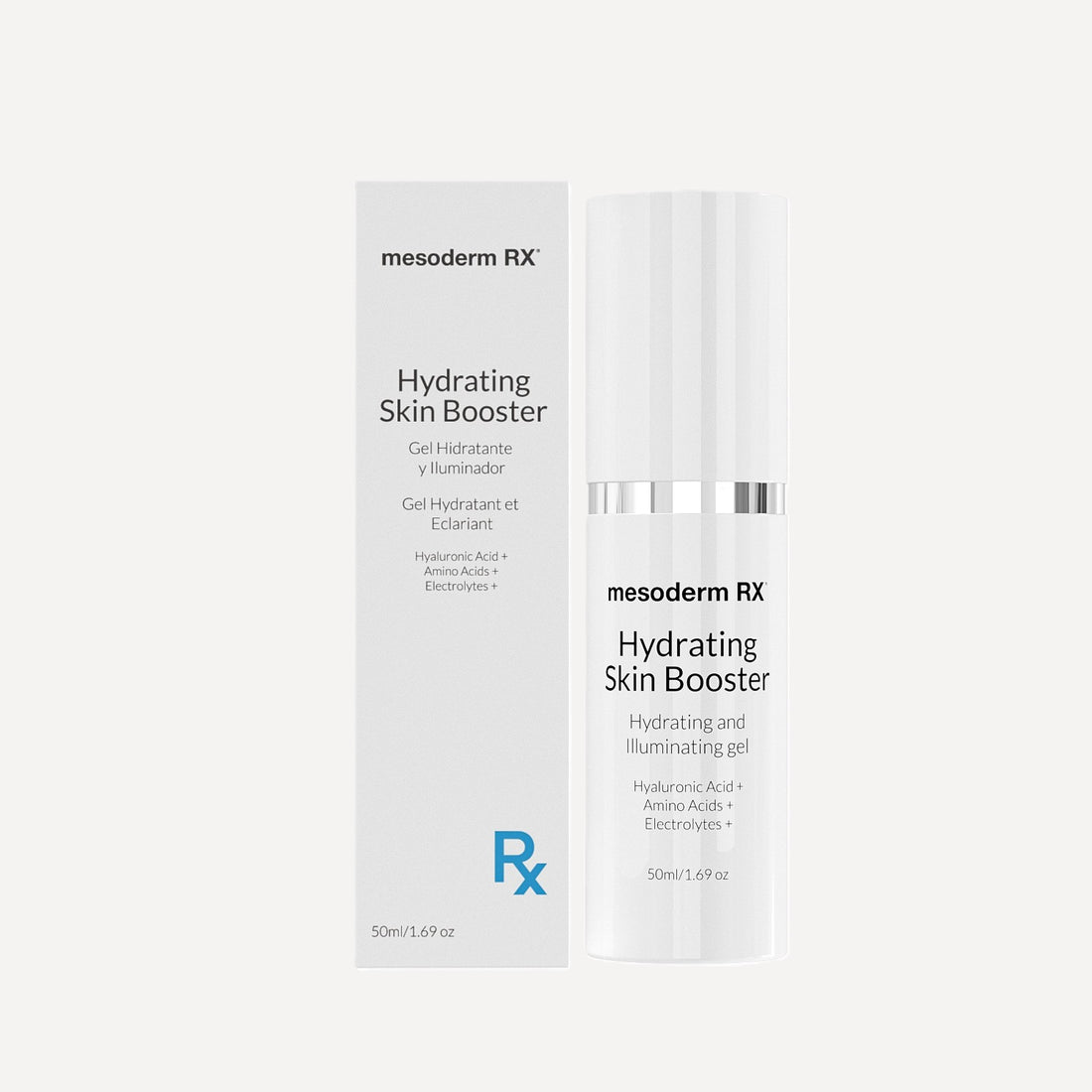
Featured Product
Hydrating Skin Booster Sunscreen | Lightweight Daily UV Protection
A hydrating sunscreen that protects against UV damage while keeping your skin moisturized, smooth, and refreshed throughout the day.
Shop Now →SPF 30 by the Numbers: Why It's Not a Full Block
An SPF 30 sunscreen filters approximately 97% of UVB radiation. This sounds effective, but the critical point is the 3% that it does not filter. This 3% is more than sufficient to initiate the DNA damage and signaling cascade described above. It stimulates melanogenesis, leading to a tan, albeit more slowly than with no protection.
For more on this topic, you can still tan while wearing SPF 30 on akttherapy.com.
This is a fundamental failure point for anyone managing melasma, sun spots (solar lentigines), or post-inflammatory hyperpigmentation (PIH). The biological pathway that creates a tan is the exact same pathway that creates and darkens these pigmentary disorders.
A tan confirms that your cellular pigmentation machinery has been activated. It is your body's alarm system signaling that DNA damage has occurred and the process for creating unwanted dark spots is now switched on.
The Diminishing Returns of SPF Ratings
Sunscreen protection does not scale linearly. The increase in UVB filtration becomes marginal at higher SPF values, but for hyperpigmentation-prone skin, these marginal gains are clinically significant.
UVB Radiation Penetration by SPF Level
This table illustrates the unfiltered UVB radiation at each level.
| SPF Level | UVB Blockage | UVB Penetration |
|---|---|---|
| SPF 15 | 93% | 7% |
| SPF 30 | 97% | 3% |
| SPF 50 | 98% | 2% |
| SPF 100 | 99% | 1% |
Note the difference between SPF 30 and SPF 50. SPF 30 allows 3% of UVB rays to penetrate, while SPF 50 allows only 2%. This represents a 33% reduction in UV exposure. For skin that is highly reactive and quick to pigment, this reduction is not trivial; it is a critical component of a successful management strategy. Relying on "just any sunscreen" is an ineffective approach rooted in a misunderstanding of the dosage required to trigger melanogenesis.
Why the SPF Number Is a Deceptive Metric
Relying solely on the SPF number is a critical error in judgment that fosters a false sense of security. It leaves your skin vulnerable to the primary drivers of pigmentation and photoaging.
The "Sun Protection Factor" (SPF) is a one-dimensional metric. It measures protection against only one type of ultraviolet radiation: UVB. To construct an effective defense, you must account for both UVB and UVA radiation.
The Two Pathways of UV-Induced Damage
UVB (Burning Rays): These are shorter-wavelength rays that primarily affect the epidermis. They are the main cause of sunburn and are directly measured by the SPF rating. An SPF 30 label tells you how well a product prevents your skin from reddening due to UVB.
UVA (Aging Rays): These are longer-wavelength rays that penetrate deeper into the skin's dermal layer. They are less likely to cause an immediate burn but are a potent activator of melanocytes. UVA exposure is a primary driver of tanning, solar lentigines (sun spots), melasma, and the degradation of collagen and elastin.
This is the diagnostic failure in most consumer approaches. An individual may use SPF 30, avoid a sunburn (a UVB effect), and believe they are protected. Simultaneously, they are receiving a significant dose of UVA radiation that is actively stimulating melanin production and accelerating skin aging.
The SPF number provides zero information about UVA protection. It's a single data point for a multi-faceted problem. Ignoring UVA is like locking your front door while leaving your windows and back door open.
The Non-Negotiable Requirement: Broad-Spectrum Protection
For anyone serious about managing skin tone, broad-spectrum protection is the absolute minimum standard. This designation certifies that a sunscreen has been tested and proven to protect against both UVB and UVA radiation, providing a more complete defense.
An SPF 30 sunscreen filters 97% of UVB rays, which is beneficial for reducing sunburn risk. However, if it lacks broad-spectrum certification, it offers minimal defense against the UVA radiation that directly triggers the tanning response and darkens existing hyperpigmentation. The FDA requires this label as a guarantee of comprehensive protection. You can learn more from the experts at UCI Health.
Using a sunscreen that is not broad-spectrum completely undermines any other corrective treatments in your regimen. Your tyrosinase inhibitors and retinoids cannot overcome the daily, unfiltered UVA stimulation that is constantly telling your melanocytes to produce more pigment.
How Real-World Application Nullifies SPF Claims
The SPF rating on a bottle reflects performance under idealized laboratory conditions, not real-world use. This gap between lab testing and daily application is precisely why many people still tan or see their pigmentation worsen despite using sunscreen.
The failure is not in the formula, but in the protocol. Standardized SPF testing uses a thick, uniform application of 2 milligrams of product per square centimeter of skin (2mg/cm²). In practice, the average user applies only 25-50% of this amount.
This diagram illustrates the direct consequence of insufficient protection: UV radiation penetrates the skin, initiating cellular damage.

This exposure is a direct command to your melanocytes, triggering the pigment production that leads to both a tan and the exacerbation of hyperpigmentation.
The Catastrophic Failure of Under-Application
Most users incorrectly assume that applying half the recommended amount of an SPF 30 will yield an SPF of 15. The relationship is not linear; it is exponential. Protection plummets far more drastically.
When you under-apply, you are essentially wearing a low-grade, ineffective filter. You can explore further research into application amounts on basf.com to understand the dramatic drop-off.
For hyperpigmentation management, this is a critical failure. A thin, patchy application allows for uneven UV penetration, stimulating melanocytes more in some areas than others. This doesn't result in a uniform tan; it results in blotchy, uneven pigmentation that worsens the appearance of existing melasma and sun spots.
How Daily Activities Deactivate Your Sunscreen
Even with a perfect initial application, your protection degrades rapidly. Your daily activities systematically create vulnerabilities in your UV shield.
Key deactivating factors include:
- Sweat and Sebum: Water-resistant sunscreens are rated for a specific duration (typically 40 or 80 minutes) of exposure to moisture. Beyond this, the protective film emulsifies and breaks down.
- Mechanical Friction: Touching your face, wiping your mouth, wearing glasses, or putting on a mask physically removes the product, creating unprotected areas.
- Incorrect Timing: Chemical sunscreens require 20-30 minutes to bind to the skin and become effective. Applying and immediately going outdoors leaves you unprotected for the initial period of exposure.
Consider your sunscreen a fragile shield. Under-application ensures the shield is porous from the start. Sweat, friction, and time then methodically create larger holes throughout the day.
This constant, predictable degradation is why a single morning application is an entirely inadequate strategy for controlling pigmentation. Even skin health factors like pH can influence product efficacy; learn more about maintaining your skin's pH balance. Every moment of failed protection is an opportunity for melanocytes to be re-activated. A successful protocol must account for these real-world failure points.
A Systematized Protocol for Hyperpigmentation Defense
To effectively manage hyperpigmentation, you must abandon random "tips" and adopt a structured, non-negotiable defense system. The objective is to consistently intercept the UV signals that command your melanocytes to produce excess melanin. Sporadic sunscreen use is a guaranteed path to failure.
An effective clinical protocol is built on three integrated components.
Component 1: Select the Appropriate Shield
Your primary tool must be suited for the specific challenge of hyperpigmentation. Standard sunscreens are often insufficient.
The clinical baseline is a broad-spectrum SPF 50+ sunscreen. While SPF 30 is adequate for incidental exposure in non-problematic skin, upgrading to SPF 50+ is a strategic necessity for pigment-prone individuals. It reduces UVB penetration by another third compared to SPF 30. This is not an insignificant number when dealing with highly reactive melanocytes.
The "broad-spectrum" designation is non-negotiable, ensuring protection against the UVA rays that are a primary trigger for most pigmentary disorders. You can review the mechanisms in our guide to understanding hyperpigmentation.
Component 2: Execute the Application Protocol
A superior formula is rendered useless by improper application. The vast majority of users under-apply sunscreen, drastically reducing their real-world SPF.
To achieve the labeled protection for the face and neck, adopt the "two-finger rule" as a daily, non-negotiable minimum.
Dispense a continuous line of sunscreen along the full length of your index and middle fingers. This volume approximates the 2mg/cm² density used in clinical testing. Apply this amount evenly every morning as the final step of your skincare regimen.
Under-application is the most common reason pigmentation protocols fail. Applying half the required amount can reduce an SPF 50 formula to an effective SPF of 7 or less, leaving skin vulnerable.
Component 3: Integrate Supplemental Defenses
Sunscreen is not an impenetrable force field. It is the first layer of defense, but it requires reinforcement.
A comprehensive strategy must include:
- Systematic Reapplication: Sunscreen degrades with UV exposure and mechanical friction. Reapply at least every two hours during periods of sun exposure, and immediately after swimming or heavy perspiration.
- Physical Barriers: A wide-brimmed hat (minimum 3-inch brim) and UV-blocking sunglasses are not accessories; they are tools that physically block radiation from reaching the skin.
- UPF-Rated Clothing: For extended outdoor activity, Ultraviolet Protection Factor (UPF) clothing provides a stable, reliable barrier that does not degrade or require reapplication.
This three-part system—a superior shield, precise application, and physical reinforcement—is the only method to effectively suppress the primary triggers of hyperpigmentation. It elevates sun protection from a casual step to a clinical protocol, creating the necessary environment for corrective treatments to deliver visible results.
The Prescribed Solution for Hyperpigmentation Defense
Identifying the need for high-SPF, broad-spectrum protection is the diagnosis. The prescription is a formula with a high degree of user compliance, as the most effective sunscreen is the one used consistently and correctly.
The primary reason for non-compliance is poor cosmetic elegance. Products that are heavy, greasy, or leave a visible white cast are often under-applied or skipped entirely. This is the single point of failure in countless pigmentation management plans.

The solution cannot be just another sunscreen; it must be a formulation engineered to eliminate the barriers to daily use.
Engineered for Compliance and Efficacy
The Mesoderm RX Pigment Restraint Ultra High Sun Protection was developed on this principle: cosmetic elegance is a clinical necessity.
Its high-potency, broad-spectrum shield provides robust protection against both UVB and the UVA radiation that initiates melanogenesis. This is the required level of defense for skin prone to hyperpigmentation. It delivers this clinical-grade protection without the aesthetic drawbacks that lead to user failure.
An elegant finish is not a luxury; it is a prerequisite for compliance. If a user dislikes wearing their sunscreen, application becomes inconsistent, and the entire pigmentation strategy is compromised.
The formula's lightweight texture absorbs rapidly, creating a smooth, non-greasy finish that is compatible with makeup or can be worn alone. It is formulated to be free of any chalky or white residue, ensuring suitability for a wide range of skin tones. This focus on the user experience is a strategic choice designed to integrate seamlessly into a daily regimen, transforming sun protection from an obligation into an effortless, non-negotiable step.
The Foundational Element of a Corrective Regimen
This product functions as the defensive cornerstone that allows your other treatments—tyrosinase inhibitors, retinoids, and exfoliants—to function without being undermined by daily UV-induced inflammation and pigment stimulation.
For those asking if they can tan with SPF 30, a formula like this provides a more robust and reliable defense. By engineering high-level protection into a cosmetically elegant vehicle, it ensures the consistent, correct application required to suppress the biological triggers of hyperpigmentation.
Explore the formulation and its role within a comprehensive defense system: Mesoderm RX Pigment Restraint Ultra High Sun Protection. This is the prescribed solution for those who require serious, daily protection against the root causes of uneven skin tone.
Frequently Asked Questions: A Clinical Perspective
Let's address common points of confusion with direct, evidence-based answers.
Is A Tan With SPF 30 Safer Than Tanning Without Sunscreen?
No. A tan is a visual marker of DNA damage. The mechanism is the same regardless of how it was acquired.
While SPF 30 blocks approximately 97% of UVB rays, the remaining 3% is sufficient to induce cellular injury. For individuals managing hyperpigmentation, any tan signifies that melanocytes have been stimulated, a process that will invariably worsen existing dark spots or create new ones. Clinically, there is no such thing as a "safe tan." It is a response to injury.
Does Makeup With SPF 30 Provide Sufficient Protection?
No. This is a common and critical misconception. Achieving the stated SPF value requires an application thickness (2mg/cm²) that is cosmetically unfeasible with foundation or powder. Relying on SPF in makeup creates a false sense of security while providing negligible protection.
SPF in cosmetics should be regarded as a minor, incidental supplement, not the primary shield. A dedicated, broad-spectrum sunscreen must always be applied generously as the final step in a skincare routine, before makeup.
The most prevalent error is substituting SPF-infused makeup for true sun protection. The application volume required for the labeled SPF is incompatible with any conventional makeup look, leaving the skin vulnerable.
Why Are My Dark Spots Worsening if I Use SPF 30 Daily?
This common frustration almost always originates from a failure in protocol, not product. The most likely causes are:
- Insufficient Application: You are not applying the required volume (the "two-finger rule") to achieve the labeled SPF 30. Your actual protection is likely far lower.
- Lack of Reapplication: A single morning application is insufficient. Sunscreen degrades from UV exposure and is removed by sweat, sebum, and physical contact. It must be reapplied every two hours of exposure.
- Absence of Broad-Spectrum Protection: Your SPF 30 may be preventing sunburn (a UVB effect) but offering poor defense against UVA, the primary wavelength that stimulates melanogenesis.
For serious management of hyperpigmentation, the clinical standard is unambiguous: Upgrade to a broad-spectrum SPF 50+, apply the correct amount every morning without fail, and adhere to a strict reapplication schedule.
At Mesoderm RX, we develop systems, not just products. Our protocols are engineered to produce clinical results by targeting the underlying biological causes of skin conditions. We focus on creating comprehensive regimens that protect, correct, and maintain skin health for a stable, even-toned complexion.
Discover the impact of a strategic, results-driven system at https://www.mesodermrx.com.