


The Clinical Approach to Brightening Sensitive Skin
The search for a brightening serum for sensitive skin often ends in frustration. You pursue an even, radiant complexion, but the conventional products prescribed—aggressive acids, unstable vitamin C, harsh exfoliants—trigger the very inflammation you must avoid. This paradox is the central failure of mainstream skincare.
For sensitive skin, most brightening treatments are inflammatory agents disguised as solutions. They operate on a principle of brute force, attempting to strip away hyperpigmentation. This assault compromises the skin's barrier, initiating an inflammatory cascade. The skin's defense mechanism responds by activating melanocytes—your pigment-producing cells—to produce more melanin as a protective measure.
This reaction is known as Post-Inflammatory Hyperpigmentation (PIH). The product intended to resolve dark spots becomes the direct cause of new ones. This is the vicious cycle of irritation and pigmentation. Effective brightening is not about aggression; it is a matter of biological precision.
The Flawed Strategy vs. The Clinical Method

Achieving a clear, calm complexion requires a fundamental shift in strategy. The outdated, high-risk approach must be abandoned for an intelligent methodology that respects the biological limits of sensitive skin.
The conventional method is a gamble. It deploys high-concentration single actives, hoping to force a result before the inevitable inflammatory response occurs. A clinically optimized strategy, however, is systematic. It utilizes multiple, synergistic pathways to down-regulate pigment production while actively suppressing inflammation to prevent the PIH trigger.
A clinical strategy for sensitive skin must work with the skin's biology, not against it. The goal is to interrupt the pigment production cycle without disrupting the delicate equilibrium of the skin barrier, which is the key to preventing rebound hyperpigmentation.
This paradigm shift is not a niche concept; it reflects a broader market correction. With a reported 71% of global consumers identifying as having sensitive skin, the demand for intelligent, non-inflammatory solutions has surged. This is a primary driver behind the skincare market's projected growth from USD 162.11 billion in 2025 to USD 172.54 billion in 2026.
Consumers are rejecting harsh formulations in favor of products that fortify the skin barrier while delivering measurable results. You can find further analysis on these evolving consumer demands in the latest trends in the skincare products market.
To clarify the distinction, a side-by-side comparison is necessary.
Featured Product
AHA + BHA + PHA Skin Brightening Serum (30ml) | Gentle Exfoliating Formula
Multi-acid serum with AHA, BHA, and PHA to gently exfoliate, refine texture, and support brighter-looking skin. Lightweight, fast-absorbing formula for daily skincare.
Shop Now →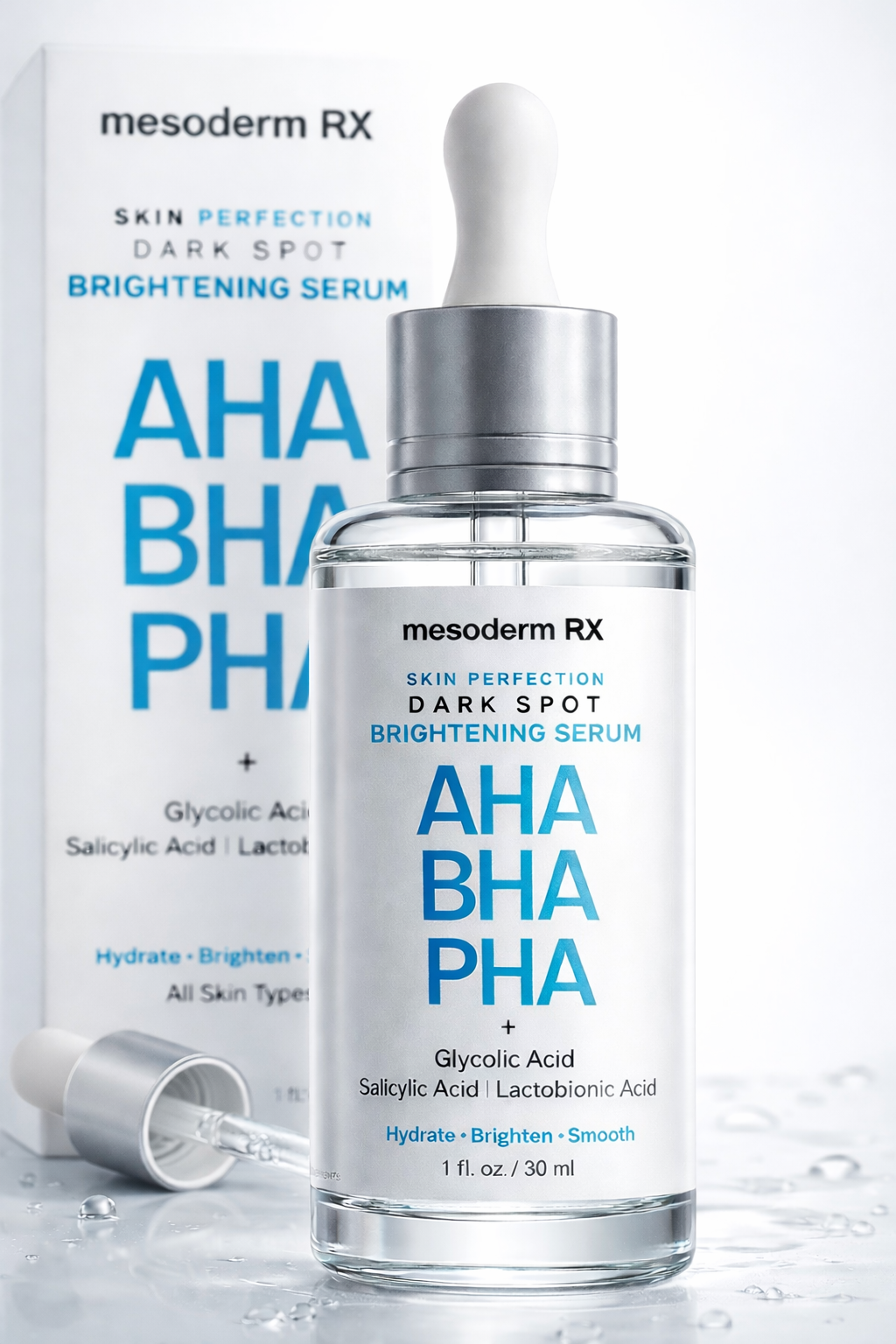
Brightening Strategy Comparison
| Approach | Conventional (High-Risk) | Clinically Optimized (Low-Risk) |
|---|---|---|
| Primary Mechanism | Aggressive exfoliation, high-dose single actives (e.g., high-purity Glycolic Acid, Hydroquinone). | Multi-pathway tyrosinase inhibition and anti-inflammatory action (e.g., Azelaic Acid, Niacinamide, PHAs). |
| Impact on Skin Barrier | Compromises barrier function, leading to transepidermal water loss and increased reactivity. | Designed to support and fortify the skin barrier, reducing inflammatory potential. |
| Inflammation Risk | High. Frequently causes erythema, peeling, and stinging, directly triggering Post-Inflammatory Hyperpigmentation (PIH). | Low. Prioritizes anti-inflammatory pathways to dismantle the inflammation-pigmentation cycle. |
| Common Actives | High concentrations of L-Ascorbic Acid, abrasive physical scrubs, high-percentage AHAs. | Stable Vitamin C derivatives, Polyhydroxy Acids (PHAs), Tranexamic Acid, and calming botanicals. |
| Expected Outcome | Potentially rapid but often temporary results, with a high probability of irritation and rebound hyperpigmentation. | Progressive, sustainable brightening with improved overall skin health and resilience. |
By adopting a clinically optimized approach, you replace the high-risk gamble of conventional treatments with a science-backed system. This method delivers a brighter, more uniform complexion while simultaneously enhancing skin health and resilience. This is the core philosophy behind Mesoderm RX formulations: delivering potent results without compromising skin integrity.
The Biology of Hyperpigmentation: Mechanism and Diagnosis

Effective treatment of hyperpigmentation requires intervention at the molecular level. Most brightening products fail because they only address the surface symptom—the visible discoloration—while ignoring the biological cascade that produces it.
The entire process hinges on a single enzyme: tyrosinase.
Tyrosinase is the master regulator of melanogenesis (pigment production). When activated, it signals melanocytes to synthesize melanin, the pigment that determines skin color. This is a protective mechanism; in response to a threat like UV radiation, tyrosinase is activated to create a "melanin shield" over your cellular DNA.
Hyperpigmentation occurs when this protective system becomes dysregulated, producing excessive pigment that deposits unevenly in the skin.
The Primary Triggers of Melanogenesis
The tyrosinase enzyme is activated by specific stimuli. A correct diagnosis of the trigger is essential, as each requires a distinct therapeutic approach.
-
UV Radiation: The most prevalent trigger. Unprotected sun exposure sends a continuous signal to melanocytes to produce melanin, resulting in solar lentigines (sun spots) and a generally mottled skin tone.
-
Inflammation: The primary adversary for sensitive and acne-prone skin. Any trauma—an acne lesion, a scratch, an adverse reaction to a harsh product—generates an inflammatory response. This inflammation signals melanocytes to deposit pigment at the site of injury, a condition known as Post-Inflammatory Hyperpigmentation (PIH).
-
Hormonal Fluctuations: Systemic hormonal shifts associated with pregnancy, oral contraceptives, or medical conditions can trigger melasma, a specific, blotchy pattern of hyperpigmentation.
This is precisely why a brightening serum for sensitive skin cannot rely solely on exfoliation. It must be formulated to intelligently address these root causes, with a primary focus on mitigating inflammation.
Differential Diagnosis: Not All Dark Spots Are Equal
Treating a post-acne mark with the same protocol as hormonal melasma is a critical error. A clinical approach demands precise diagnosis.
Distinguishing between different types of hyperpigmentation is the first step toward successful treatment. If you are treating PIH as if it were a sun spot, your results will be limited because you are not addressing the primary trigger which is inflammation.
The three most common forms of hyperpigmentation are:
1. Post-Inflammatory Hyperpigmentation (PIH) These are red, purple, or brown macules that remain after an inflammatory event, such as an acne breakout or skin rash. It is a direct response to dermal injury and is exceptionally common in sensitive skin types.
2. Solar Lentigines (Sun Spots) These are discrete, well-defined macules that appear on sun-exposed areas like the face, hands, and chest. They are the direct, cumulative result of UV-induced damage.
3. Melasma Characterized by larger, symmetrical patches of brown or gray-brown discoloration, melasma typically appears on the cheeks, forehead, or upper lip. It is deeply linked to hormonal triggers and is notoriously difficult to treat, often exacerbated by heat and visible light, not just UV radiation. For a more detailed analysis of this condition, refer to our guide on what hyperpigmentation is and how to treat it.
Understanding this biological foundation reveals why generic brightening products fail. Unless you interrupt the specific pathway that initiated your hyperpigmentation, you are operating without a clear target. An effective system addresses the source while respecting the biological constraints of sensitive skin.
Why Most Brightening Attempts Fail on Sensitive Skin

You have adhered to the prescribed protocols. You invested in the recommended serum and applied it diligently. The result was not a luminous, even complexion, but increased irritation, erythema, and perhaps even more hyperpigmentation. This outcome is not a personal failure; it is a strategic one, rooted in a fundamental misunderstanding of sensitive skin biology.
The primary culprit is a self-perpetuating cycle that most brightening products either ignore or actively create: the inflammation-hyperpigmentation loop.
This cycle is triggered by "brute force" interventions—high-concentration chemical peels, abrasive scrubs, or serums with unstable actives like L-Ascorbic Acid. The skin perceives this as an assault, not a treatment. Its innate defense system responds with a flood of inflammatory mediators. In an inflamed state, melanocytes are signaled to enter a protective overdrive, depositing excess melanin at the site of the perceived injury. The product used to correct the problem has now exacerbated it.
This domino effect is illustrated above. An incorrect product selection ignites inflammation, which leads to a failed outcome and rebound hyperpigmentation. Your product choice is the foundational determinant of success or failure.
The Myth of Single-Active Solutions
Many brands market antioxidant serums as a panacea for hyperpigmentation. While antioxidants are essential for neutralizing free radical damage from UV exposure, they represent only one component of a comprehensive strategy.
Relying on an antioxidant alone is akin to removing water from a boat without sealing the leak. You are managing a symptom, but you have failed to inhibit the tyrosinase enzyme—the source of melanin production.
For a brightening serum to be effective on sensitive skin, it must execute two functions simultaneously: suppress inflammation and interrupt melanogenesis. Any strategy that fails to do both is incomplete and destined for failure.
This problem is amplified by unstable molecules. Pure L-Ascorbic Acid, for example, is notoriously unstable and can oxidize on the skin, becoming a pro-oxidant. In this state, it generates the very free radical damage and irritation it was intended to prevent, directly fueling the inflammation-hyperpigmentation loop.
The Three Pillars of an Effective Brightening System
A successful protocol for sensitive skin is not based on a single "miracle" ingredient but on an intelligent, multi-pathway system. This system is built upon three pillars that work in synergy.
Pillar 1: Suppress Inflammation Before correction can begin, the inflammatory fire must be extinguished. This is non-negotiable for sensitive skin. Key actives like Azelaic Acid and Niacinamide function as anti-inflammatory agents, down-regulating the signaling pathways that trigger melanocyte activation.
Pillar 2: Inhibit New Pigment Formation With the skin in a calm state, the next step is to block the synthesis of new melanin. This requires inhibiting the tyrosinase enzyme. Potent yet non-irritating Vitamin C derivatives (such as Sodium Ascorbyl Phosphate) and specific tyrosinase-inhibiting botanicals are ideal. They provide effective inhibition without the inflammatory risk of their aggressive counterparts.
Pillar 3: Gently Accelerate Desquamation Finally, existing pigmented cells on the skin's surface must be shed. The common mistake is to use harsh exfoliants. The superior choice for sensitive skin is Polyhydroxy Acids (PHAs). Their larger molecular structure confines their action to the superficial stratum corneum, promoting gentle exfoliation without inducing deeper inflammation. This is a critical component of any effective brightening serum for sensitive skin.
More Actives, Less Additives
This three-pillar strategy is the foundation of the Mesoderm RX formulation philosophy: ‘More Actives, Less Additives.’ For reactive skin, what is excluded from a formula is as critical as what is included.
A clean, focused formula eliminates interference. By removing unnecessary fillers, fragrances, and known irritants, we allow the synergistic actives to perform their functions without impediment. The objective is to maximize efficacy while minimizing risk.
Our serums are engineered to be potent and targeted. We explicitly exclude inflammatory agents like hydroquinone, parabens, sulfates, and artificial dyes. Every ingredient serves a clinical purpose, aligning with our three-pillar system to provide a solution that is both powerful and profoundly gentle. A properly balanced pH is also critical for formula efficacy and skin health. Learn more about its importance in our guide to pH balance in your skincare routine.
How to Build Your Gentle Brightening Regimen
An effective serum is only one part of the equation. A strategic application protocol is essential for achieving results without inducing reactivity. A common error is rapid, aggressive introduction of a new active, which can compromise the skin barrier and undermine the treatment goal. The objective is to introduce actives with a slow, methodical approach that allows the skin to acclimate and strengthen.
Non-Negotiable Step: Patch Testing
Before applying any new formulation to your entire face, a patch test is mandatory. This is a simple diagnostic step to assess for potential adverse reactions.
- Select a Test Site: Apply a small amount of the serum to a discreet area, such as behind the ear or on the inner forearm.
- Wait and Observe: Leave the product on for 24-48 hours. Do not wash the area.
- Assess for Reactivity: Check for any signs of erythema (redness), pruritus (itching), or irritation. If the skin remains calm, you may proceed. If a reaction occurs, the product is not suitable for your skin.
Your Step-by-Step Application Protocol
The order of product application determines bioavailability. Your brightening serum must be applied to clean skin before heavier occlusive products can block its absorption.
The Correct Sequence for Maximum Efficacy:
- Step 1: Cleanse: Use a gentle, pH-balanced cleanser that does not strip the skin's lipid barrier.
- Step 2: Tone (Optional): If a toner is used, it must be a hydrating, alcohol-free formula.
- Step 3: Apply Serum: Dispense 2-3 drops of your brightening serum. Gently press it onto the face and neck. Allow one minute for full absorption.
- Step 4: Moisturize: Apply a calming, barrier-supporting moisturizer. This hydrates and can buffer the active ingredients, providing an additional layer of protection.
- Step 5: Protect (AM Only): This is the most critical step. Apply a broad-spectrum sunscreen of SPF 30 or higher.
Sunscreen is not optional; it is a non-negotiable component of any brightening regimen. UV radiation is the primary trigger for melanogenesis. Skipping SPF renders your serum's efforts futile and leaves your skin vulnerable to further damage.
Gradual Integration Protocol
Introducing a potent brightening serum for sensitive skin requires a structured, gradual approach to prevent barrier compromise.
Week-by-Week Serum Integration Schedule:
| Week | Application Frequency | Key Focus |
|---|---|---|
| Weeks 1-2 | 2-3 times per week (nighttime) | Acclimation. Allow the skin to slowly adapt to the new active ingredients. |
| Weeks 3-4 | Every other night | Tolerance Building. Monitor for any signs of irritation as frequency increases. |
| Week 5+ | Nightly application | Maintenance. Once tolerance is established, consistent nightly use provides optimal results. |
This methodical approach is the key to achieving a luminous complexion without the setbacks of irritation and inflammation. The demand for such intelligent, effective formulas is growing rapidly, with the skin-brightening serum market projected to grow at a CAGR of 7.9% from 2026 to 2033. This reflects a significant market shift toward gentle, science-backed solutions.
Mesoderm RX products are engineered from this exact philosophy. Our formulations, like the AHA BHA PHA Dark Spot Whitening Serum, use clinically proven actives to deliver results while respecting the skin barrier. For more detail on effective ingredients, see our guide on 5 proven ingredients to treat hyperpigmentation.
Frequently Asked Questions: A Clinical Perspective
Let's address the most common questions about brightening serums for sensitive skin with direct, evidence-based answers, free from marketing rhetoric.
How long until I see results from a brightening serum?
Patience is a biological necessity. While you may observe improvements in hydration and texture within a few weeks, a visible reduction in hyperpigmentation requires 8-12 weeks of consistent use.
This timeframe is dictated by the skin cell turnover cycle. New keratinocytes are generated in the basal layer of the epidermis and migrate to the surface, a journey that takes approximately 28 days in young adults and extends to 45-60 days with age.
A brightening serum acts on the new cells being formed today. You will not see the clinical result until those less-pigmented cells complete their migration to the surface. Any product promising instant spot removal is either a cosmetic concealer or an inflammatory risk.
The serum you apply tonight is correcting the pigmentation that would otherwise become visible in two months.
Can brightening serums be used with rosacea or eczema?
Yes, but with extreme caution and under medical guidance. Conditions like rosacea and eczema are characterized by a chronically compromised skin barrier and persistent inflammation—a primary trigger for PIH.
Using an inappropriate brightening agent will exacerbate both the underlying condition and the hyperpigmentation. The solution lies in using multi-functional ingredients that simultaneously suppress inflammation and gently inhibit melanogenesis.
For highly reactive skin, these actives are the most appropriate choices:
- Azelaic Acid: The gold-standard active for rosacea-prone skin. It is a potent anti-inflammatory that reduces erythema while also inhibiting tyrosinase.
- Polyhydroxy Acids (PHAs): These are large-molecule acids that provide superficial exfoliation without penetrating deep enough to cause irritation, making them ideal for a compromised barrier.
- Niacinamide: Essential for any sensitive skin regimen. It strengthens the skin barrier, calms inflammation, and inhibits the transfer of melanosomes to keratinocytes.
Consultation with a dermatologist is non-negotiable. They must approve the integration of any new product into your existing treatment plan. For this skin type, a brightening serum for sensitive skin must prioritize anti-inflammatory action above all else.
Are "natural" brightening ingredients safer?
This is a pervasive and dangerous myth. The assertion that "natural" equates to "safe" is a marketing narrative, not a scientific principle. An ingredient's origin—botanical or synthetic—is irrelevant to its safety profile.
The determining factors are concentration, purity, formulation, and molecular action.
Many "natural" ingredients, particularly essential oils, are known irritants and photosensitizers. A poorly formulated, unstable botanical extract can induce significantly more inflammation and rebound hyperpigmentation than a stable, biocompatible, lab-engineered active designed for gentleness.
The safety of an ingredient is determined by its interaction with skin biology, not its origin story. A synthetic active engineered for high purity and stability is unequivocally superior for sensitive skin than a crude, irritating plant extract.
Poison ivy is 100% natural. Apply this logic to skincare. A brand that relies on "all-natural" marketing claims without providing clinical data on concentration and stability is selling a feeling, not a result. Demand clinical evidence and biocompatibility, not buzzwords.
At Mesoderm RX, we build our formulas on this clinical foundation. We believe in a “More Actives, Less Additives” philosophy, ensuring every ingredient is there for a reason—to get you results without compromising your skin's health. Our systems are designed to work with your skin's biology, not against it. Explore our science-backed solutions at https://www.mesodermrx.com.