


Best Dark Spot Corrector: Top Picks & Ingredients for 2026
Dark spots don’t fade because a label says “brightening.” They fade when a formula interrupts the pigment process at the right points, and when the routine stops creating fresh pigment every day.
That’s where most advice goes wrong. It treats hyperpigmentation like a surface stain. It isn’t. A dark spot is the visible end result of signaling between melanocytes, inflammatory mediators, UV exposure, and skin-cell turnover. If you only exfoliate, you’re often too shallow. If you only use one inhibitor, you’re often too narrow. If you skip sun protection, you’re actively undoing treatment.
The best dark spot corrector isn’t just a popular serum. It’s a pathway-based system chosen for the kind of pigmentation you have, your barrier tolerance, and the routine you can sustain long enough to matter.
Beyond the Hype The Clinical Approach to Fading Dark Spots
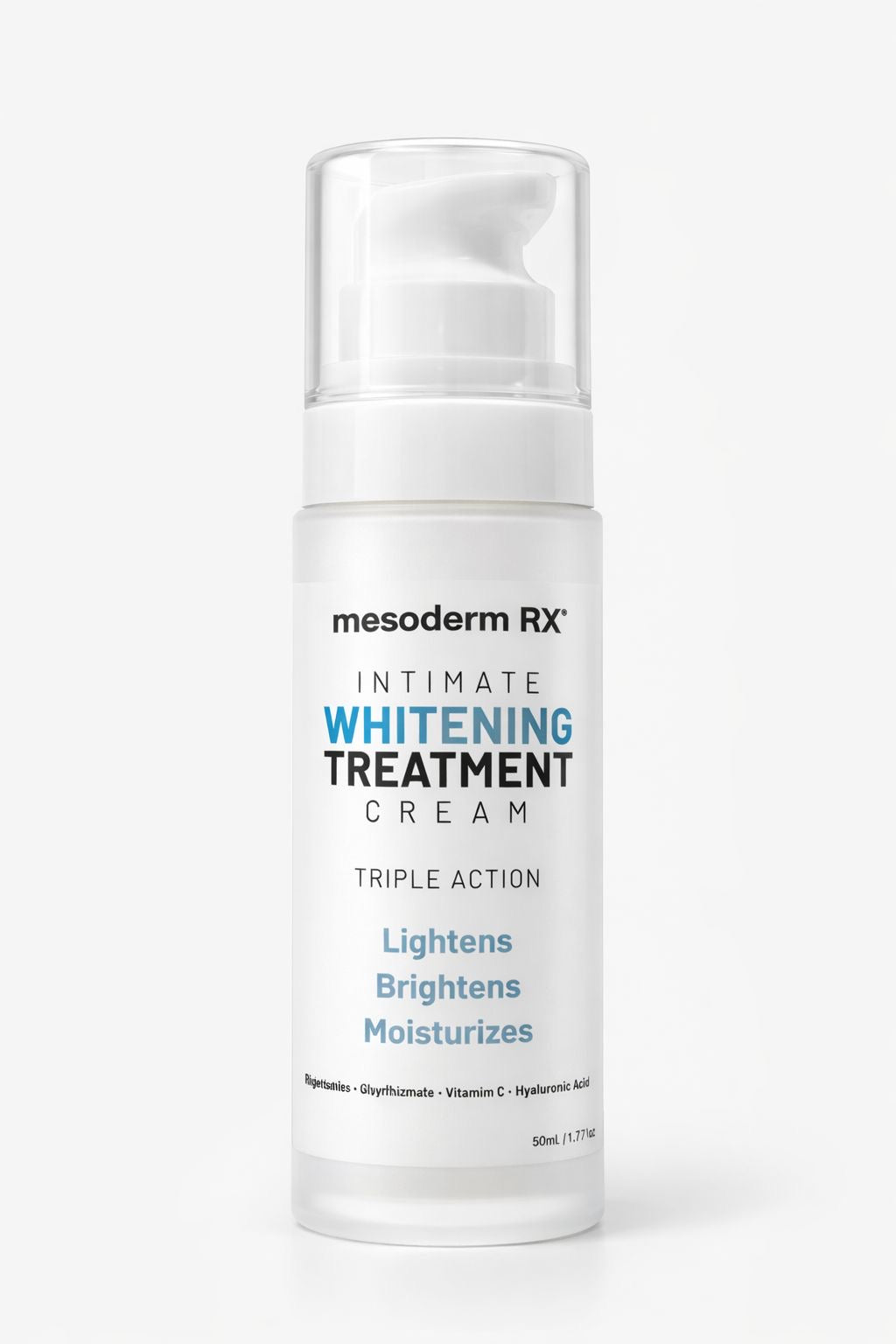
Featured Product
Intimate Care Brightening Cream | Underarms, Inner Thighs & Sensitive Areas
A gentle formula designed to even out skin tone and reduce the appearance of dark spots in sensitive areas. Helps soothe, hydrate, and improve overall skin texture for a smoother, more balanced look.
Shop Now →Hyperpigmentation responds to systems, not slogans. The best results come from matching the routine to the biology driving the spot, then controlling the factors that keep reactivating pigment production. That is why a hydroquinone-free, multi-active strategy often outperforms a one-ingredient serum in real use. It can suppress melanocyte signaling, reduce transfer of pigment, support turnover, and do it with less rebound risk and better long-term tolerability.
Different pigment patterns also fail for different reasons. Post-acne marks often persist because inflammation never fully settles. Sun spots keep returning when UV exposure is undercontrolled. Melasma is even less forgiving because heat, light, hormones, and irritation can all keep the pigment pathway active. Add prescription retinoids, over-exfoliation, or a weak barrier, and many routines start creating the exact inflammatory conditions they were supposed to treat.
Why random product hopping fails
The common mistake is treating visible pigment while ignoring the process underneath it.
In practice, I see the same patterns repeatedly:
- Abandoning treatment too early, before melanocyte activity and pigment transfer have had time to slow
- Using abrasive scrubs or aggressive acids, which can prolong inflammation and deepen post-inflammatory discoloration
- Relying on one “hero” ingredient, even though pigment formation involves multiple cellular steps
- Applying treatment at night but using weak sun protection during the day, which keeps the skin under constant pigment stimulus
The treatment target is therefore not just the melanin already present, but the signal that keeps telling the skin to make more.
That distinction matters. A formula can look impressive on an ingredient list and still underperform if it only addresses one part of the pathway, or if it corrects pigment at the cost of barrier damage.
What a clinical approach looks like
A sound protocol starts with diagnosis, not product hype. First identify the kind of pigmentation you are dealing with. Then reduce the trigger, choose actives that interrupt more than one pigment pathway, and set the treatment strength at a level the skin can tolerate for months, not days.
The framework is straightforward:
- Identify the pigment pattern
- Lower the trigger load
- Interrupt pigment formation and transfer
- Increase cell turnover without provoking irritation
- Protect the skin every morning so treatment is not being undone
This is also why hydroquinone-free systems deserve more attention than they usually get. Hydroquinone can work, but it is not the only serious option, and it is often poorly used. Many people need a plan they can stay on longer, cycle more safely, and combine with retinoids, exfoliants, or procedures without pushing the skin into chronic irritation. A multi-pathway formula built around well-chosen non-hydroquinone actives is often the more durable approach.
If prior products stalled, the problem usually was not “stubborn skin.” The routine was incomplete, too irritating, or mismatched to the cause of the discoloration. Many of the consumer beliefs that lead to those mistakes are addressed in this breakdown of hyperpigmentation myths and what actually works.
Understanding the Biology of a Dark Spot
A dark spot starts long before you can see it. By the time pigment becomes visible on the surface, several cellular steps have already happened.

The pigment factory
Think of melanocytes as pigment factories. Their job is to produce melanin, the pigment that gives skin its color and helps protect against UV damage.
The production line works like this:
- A trigger appears, usually UV exposure, inflammation, or hormonal influence.
- Melanocytes receive the signal to increase output.
- Tyrosinase activity rises. This enzyme acts like an on-switch in pigment formation.
- Melanin is packaged in melanosomes.
- Pigment is transferred into surrounding skin cells, especially keratinocytes.
- The spot becomes visible as those cells move upward through the epidermis.
If you only treat the final visible stain, you’re acting too late in the chain. Strong routines work because they target more than one step.
The three dark spots people confuse
Not all hyperpigmentation behaves the same way.
| Type | Typical trigger | Clinical behavior |
|---|---|---|
| Post-inflammatory hyperpigmentation | Acne, friction, picking, rash, procedures | Follows inflammation. Often lingers after the original injury is gone. |
| Solar lentigines | Repeated sun exposure | More common in chronically exposed areas such as face and hands. |
| Melasma | Hormonal influence plus UV and heat triggers | Often symmetrical, recurrent, and harder to manage casually. |
Post-inflammatory hyperpigmentation (PIH) is the one many acne patients know well. The breakout resolves, but the mark stays because inflammatory signaling pushed melanocytes to overproduce pigment.
Solar lentigines are what many people call sun spots or age spots. They reflect cumulative exposure rather than one isolated event.
Melasma is different again. It tends to be more persistent, more trigger-sensitive, and less forgiving when routines are inconsistent.
Clinical point: If you misidentify the pigment type, you often choose the wrong “best dark spot corrector” and then conclude that brightening products don’t work.
Why diagnosis matters before product choice
Ingredient selection should follow the trigger.
- Inflammation-driven pigment needs calming, non-irritating correction.
- Sun-driven pigment needs aggressive photoprotection plus inhibitors.
- Hormone-sensitive pigment needs long-term maintenance and very low tolerance for routine mistakes.
If you want a clean overview of the categories and causes, this guide to hyperpigmentation causes, types, and treatment is a useful reference.
Why Your Efforts to Remove Dark Spots Have Failed
Most failed pigment routines have one thing in common. They create as much irritation as treatment.

You treated the spot, not the trigger
Lemon juice, abrasive scrubs, aggressive peeling pads, and overused spot treatments all share the same flaw. They assume dark pigment can be rubbed off.
It can’t. More often, irritation deepens the problem.
When skin gets inflamed, melanocytes don’t interpret that as “repair complete.” They often interpret it as another reason to produce pigment. That’s why harsh treatment can lead to rebound darkening, especially in people already prone to PIH.
What usually fails:
- DIY acids and kitchen remedies because they irritate unpredictably
- Frequent scrubbing because friction can sustain inflammation
- Applying too many actives at once because the barrier breaks before the pigment improves
- Stopping early because fading is gradual even when the formula is correct
You expected a universal timeline
Pigment doesn’t clear at the same pace in every skin tone or every pigment type. That should be obvious clinically, but much of the consumer content ignores it.
A key gap in current reviews is that most dark spot corrector roundups lack skin-tone-dependent timeline data, even though deeper skin tones can face different risks around post-inflammatory darkening and may need different formulation strategies (Live Tinted discussion of this gap).
That absence matters. It leads people to compare their progress to generic timelines that may not fit their biology.
You skipped the one product that protects every other product
A brightening serum without daily sun protection is an unstable strategy. You may still get some improvement, but you’re working uphill.
Here’s the trade-off clinicians see constantly:
- Strong actives without SPF can produce partial results that plateau
- Moderate actives with disciplined SPF often produce cleaner, more stable progress
If a spot looks darker after a period of “treatment,” don’t assume you need a stronger serum. First check whether you’re driving irritation or letting UV exposure keep the signal alive.
You relied on a single-pathway formula
Pigment forms through multiple signals. So a product that only exfoliates, or only brightens superficially, often underperforms on stubborn marks.
The better approach is to combine:
- a melanin signal reducer,
- a transfer inhibitor,
- controlled exfoliation or turnover support,
- and strict UV defense.
That’s why the best dark spot corrector is often not the strongest standalone formula. It’s the one that fits into a complete routine without provoking more pigment.
The Clinically Proven Actives That Actually Correct Pigmentation
Ingredient lists get overvalued. Mechanisms matter more.
A pigment corrector earns its place by interrupting several steps in the dark spot pathway at once, while keeping irritation low enough for consistent use. That is why hydroquinone-free systems often outperform harsher single-active products over time. They are easier to sustain, easier to combine, and less likely to create the inflammation that keeps melanocytes active.
Core actives, organized by what they actually do
| Active Ingredient Class | Primary Mechanism | Best For |
|---|---|---|
| AHAs BHAs PHAs | Loosen and remove pigmented surface cells through controlled exfoliation | Dull, rough, congested, or surface-level discoloration |
| Tranexamic acid | Helps interrupt UV-related and inflammation-related pigment signaling | Stubborn dark spots, melasma-prone skin, PIH-prone skin |
| Niacinamide | Reduces melanin transfer from melanocytes to surrounding skin cells | Uneven tone, sensitive skin, maintenance routines |
| Stable vitamin C forms | Support antioxidant defense and interfere with pigment formation pathways | Sun-exposed skin, uneven tone, antioxidant support |
| Retinoids | Accelerate turnover and normalize skin renewal | Aging skin, acne-related marks, texture plus pigment concerns |
Tranexamic acid for pigment signaling
Tranexamic acid is one of the more useful modern options for persistent discoloration because it addresses signaling, not just visible residue on the surface. That distinction matters in melasma-prone skin and in post-inflammatory hyperpigmentation that keeps reactivating after minor irritation.
A reviewed source describes tranexamic acid as a meaningful ingredient for hyperpigmentation because it inhibits UV-induced plasmin activity, which affects downstream signals that stimulate melanocytes. The same review also summarized a clinical study of a cream that paired tranexamic acid with niacinamide, retinol, glycolic acid, tetrahexyldecyl ascorbate, and kojic dipalmitate, with improvement reported over 12 weeks (TXA ingredient review and study summary).
That formula design is a key lesson. Tranexamic acid works best inside a system. It reduces one of the signals driving excess pigment, but it does not remove existing pigment alone, and it does not replace sun protection or barrier control.
Niacinamide for melanin transfer and tolerance
Niacinamide belongs in many pigment routines because it does two jobs well. It helps reduce melanin transfer into keratinocytes, and it tends to be easier to tolerate than stronger depigmenting agents.
That makes it useful in active treatment and in maintenance, especially for skin that darkens easily after irritation. In practice, niacinamide is rarely the ingredient that produces dramatic before-and-after results by itself. Its value is that it improves consistency, supports the barrier, and pairs cleanly with tranexamic acid, retinoids, and vitamin C derivatives.
This is one reason hydroquinone-free treatment plans can be clinically stronger over the long term. The patient can usually stay on them.
Acids clear visible pigment, but only at the level they can reach
AHAs, BHAs, and PHAs remove pigmented cells that are already moving toward the surface. That makes them useful, but limited.
If the melanocyte is still receiving inflammatory or UV-driven signals, exfoliation alone will stall. I see this often in people using strong glycolic or mixed-acid products several nights a week, then wondering why the mark looks flatter, smoother, and still brown.
Use acids with a narrow purpose:
- AHAs for surface renewal and uneven texture
- BHAs when acne and post-acne marks overlap
- PHAs for skin that needs slower, gentler turnover support
The trade-off is simple. More exfoliation can produce faster visible polishing, but it also raises the risk of irritation-driven rebound pigment in reactive skin.
Retinoids improve turnover, but they need support around them
Retinoids remain useful for hyperpigmentation because they normalize cell turnover and help disperse accumulated pigment over time. They are especially relevant when discoloration overlaps with acne, photodamage, or rough texture.
They are also easy to misuse. Adding a retinol-based dark spot serum on top of prescription tretinoin or tazarotene often creates more redness than benefit. If prescription vitamin A is already doing the turnover work, the better move is usually to pair it with non-retinoid pigment inhibitors and anti-inflammatory support. For context on where prescription retinoids fit in a correction plan, this guide to tretinoin cream and Obagi-related treatment context is useful.
Stable vitamin C supports the environment around pigment formation
Vitamin C is often discussed too loosely. The relevant question is not whether a formula contains vitamin C. The question is which form, at what strength, in what vehicle, and whether the rest of the routine allows it to be used consistently.
Stable derivatives can help reduce oxidative stress that feeds pigment formation, particularly in sun-exposed skin. They also combine well with niacinamide and tranexamic acid in many hydroquinone-free formulas. Results are usually steadier than dramatic, which is fine. Hyperpigmentation improves best with pressure applied from several directions at once.
Formulation rule: The best dark spot corrector is usually a multi-active formula that lowers pigment signaling, limits transfer, supports turnover, and stays tolerable enough for regular use.
Building Your Complete Pigment-Correcting Protocol
A corrector only works inside a routine that makes biological sense. Morning and evening shouldn’t mirror each other. They should solve different problems.

Morning is defense
Your morning routine should reduce new pigment triggers, support the barrier, and protect any progress you’ve already earned.
A practical AM structure:
- Gentle cleanse if needed
- Pigment-control serum built around non-irritating brighteners such as niacinamide or tranexamic acid
- Moisturizer if your serum isn’t sufficient alone
- Broad-spectrum SPF as the final mandatory layer
People often focus on the treatment serum and treat sunscreen like an accessory, leading many routines to collapse. It isn’t. It’s the product that protects every correction step underneath it.
Night is correction
Evening is where you rotate stronger work.
A rational PM plan often looks like this:
-
Night one
- cleanse
- exfoliating acid product
- moisturizer if needed
-
Night two
- cleanse
- pigment serum with inhibitors and supportive brighteners
- moisturizer
-
Night three
- cleanse
- retinoid, if tolerated and appropriate
- moisturizer
Then repeat based on tolerance.
This rotation matters because skin doesn’t reward bravado. It rewards consistent stimulus that stays below your irritation threshold.
If you use prescription retinoids
This is one of the biggest gaps in mainstream advice. Many “best dark spot corrector” articles recommend retinol-based formulas without addressing people already using prescription tretinoin or similar agents.
That’s a real problem. A cited review notes a significant unmet need for potent, non-retinol brightening serums explicitly compatible with prescription retinoid routines, because layering more retinoid activity can drive irritation instead of progress (Marie Claire discussion of this gap).
If you’re in that group, keep it simple:
- Don’t stack retinol on tretinoin by default
- Use non-retinol brighteners on alternate nights or opposite times of day
- Watch for stinging, persistent redness, and peeling
- Scale frequency before you scale strength
A short visual explainer can help if you’re trying to organize product order and pacing:
What a complete routine should achieve
A working protocol should do four things at once:
| Routine goal | What addresses it |
|---|---|
| Reduce incoming triggers | Daily SPF, low-irritation routine design |
| Slow pigment signaling | TXA, vitamin C derivatives, other inhibitors |
| Limit visible pigment transfer | Niacinamide |
| Remove pigmented cells gradually | Acids and retinoids, used strategically |
If your routine does only one of those jobs, it’s incomplete. If it tries to do all four at maximum strength every night, it’s usually unstable.
How to Choose the Best Corrector for Sensitive or Aging Skin
Skin that is sensitive or mature does not need a weaker pigment plan. It needs a cleaner one. The right corrector lowers melanin activity without creating the irritation that keeps pigment active in the first place.
That distinction matters because these skin profiles fail for different reasons. Reactive skin flares easily, so too much acid, fragrance, or retinoid pressure can turn treatment into a trigger. Aging skin often has slower recovery, less surface hydration, and a thinner margin for error, so a formula can fade spots while still leaving the skin dull, tight, or chronically inflamed.
Sensitive or reactive skin
For sensitive skin, the first filter is inflammatory load. A corrector should target pigment formation and transfer while keeping the barrier intact.
Look for formulas built around:
- Tranexamic acid to quiet pigment signaling without the irritation profile associated with older bleaching approaches
- Niacinamide to support barrier function and reduce melanin transfer to surrounding cells
- PHAs for measured exfoliation when glycolic or frequent salicylic acid use is too reactive
- Low-additive formulas with fewer fragrance components and fewer unnecessary sensitizers
Texture also matters. A well-built serum or cream for reactive skin should spread easily, layer without pilling, and avoid the high-solvent feel that often precedes stinging. If application burns repeatedly, the formula is not a good fit, even if the ingredient list looks impressive.
As noted earlier, effective pigment correction does not need to feel aggressive. In practice, the routines that hold up are the ones patients can use consistently for months.
Aging skin with pigment concerns
Mature skin usually needs more than spot fading. It often needs support for slower turnover, uneven texture, dehydration, and fine lines at the same time. That changes how I assess a corrector.
A single hard-driving active rarely does this well on its own. Better options combine pigment suppressors with hydration support and controlled cell turnover, then leave room in the routine for recovery. Hydroquinone-free systems are often the better long-term fit here because they can address multiple pigment pathways without locking the user into an irritation cycle.
| Skin profile | Better emphasis | Watch-outs |
|---|---|---|
| Sensitive | TXA, niacinamide, gentler acids, barrier-supportive vehicles | Over-exfoliation, fragrance, stacking too many actives |
| Aging | Multi-active pigment control, retinoids if tolerated, supportive hydration | Dryness, delayed recovery, formulas that improve spots but worsen skin quality |
A useful test is simple. After several weeks, the skin should look more even and more stable. If tone improves but the face looks drier, shinier from barrier damage, or persistently pink, the formula is asking too much.
The practical choice
Choose the corrector your skin can keep using. Sensitive skin usually does better with lower irritation and higher consistency. Aging skin usually does better with a multi-active formula that corrects discoloration while protecting texture and barrier function.
That is why single-ingredient shopping often disappoints this group. Sensitive and aging skin respond better to pathway-based treatment. Suppress excess pigment signaling, reduce transfer, support turnover carefully, and protect the barrier every step of the way.
The Mesoderm RX System A Multi-Pathway Solution
The mistake is assuming a dark spot needs a stronger spot treatment. In practice, pigment improves faster when the routine controls the full cycle that keeps melanocytes active, pigment moving upward, and new discoloration getting reinforced by UV and irritation.

Why systems outperform isolated products
Hyperpigmentation is a pathway problem. Melanin production increases, pigment is transferred into surrounding keratinocytes, pigmented cells persist at the surface, and inflammation or UV exposure keeps the signal going. A single active may help one step. It usually does not control the whole process well enough to produce durable change.
That is why a system works better.
The routine needs daytime protection, selective resurfacing, and pigment-regulating actives scheduled in a way the skin can keep tolerating. If any one of those pieces is missing, results often stall. I see this often with people who use an acid faithfully but skip high-protection sunscreen, or who use a strong brightener until the skin gets irritated and the pigment rebounds.
Hydroquinone-free protocols fit this biology well for long-term use. The goal is sustained suppression of excess pigment activity with less inflammation risk, not repeated cycles of overcorrection and recovery.
One example of a pathway-based routine
The Mesoderm RX lineup is one example of that structure. During the day, Pigment Restraint Ultra High Sun Protection covers the part of treatment that many routines underdose. It helps reduce the UV reinforcement that keeps dark marks active even while someone is trying to fade them.
At night, the work can be divided instead of stacked. Skin Perfection Liquid Exfoliant and AHA BHA PHA Dark Spot Whitening Serum can be rotated on a controlled schedule to improve cell turnover and support a more even release of surface pigment. For discoloration beyond the face, Whitening Advanced Body Essence Lotion or Intimate Whitening Cream address areas where friction, slower turnover, or local sensitivity change how pigment behaves.
That approach fits the biology discussed above. It does not ask one ingredient to carry the entire result. Protection lowers ongoing stimulation, exfoliation helps remove retained pigment, and brightening actives help reduce the signaling and transfer that feed recurrence.
What to look for in any system
Use a stricter filter than marketing copy:
- Daily UV protection that is strong enough to prevent re-darkening
- More than one pigment mechanism addressed in the routine
- An application schedule that leaves room for recovery
- Options for the face and body if discoloration appears in both
- A formula mix that supports adherence instead of triggering irritation setbacks
That is the standard for a serious dark spot protocol. A corrector earns its place when it can interrupt pigment formation, clear visible discoloration, and stay tolerable long enough to finish the job.
Frequently Asked Questions
| Question | Answer |
|---|---|
| What’s the best dark spot corrector ingredient overall? | There isn’t one universal winner. The most reliable approach combines functions. TXA helps with pigment signaling, niacinamide helps with melanin transfer, and acids or retinoids help move pigmented cells out more efficiently. |
| Can I use a dark spot corrector every day? | Sometimes, yes. It depends on the formula. Daily use is reasonable for lower-irritation brighteners. Exfoliating acids and retinoids often need spacing based on tolerance. |
| Why did my dark spots get darker after treatment? | Usually because of irritation, continued UV exposure, or both. Darker doesn’t always mean the pigment is “coming up.” Often it means the trigger is still active. |
| Should I use retinol if I already use tretinoin? | Usually not by default. Many people do better with a non-retinol brightening serum rather than stacking more vitamin A activity on top of a prescription retinoid. |
| Can body dark spots be treated the same way as facial spots? | The principles are similar, but body skin often needs different textures and more consistent application because turnover can be slower and friction may be part of the problem. |
If you want a hydroquinone-free routine built around exfoliation, brightening, and daily protection, explore Mesoderm RX and choose products based on your pigment type, barrier tolerance, and whether you’re also using a prescription retinoid.