


Best Anti Aging Serum for 30s: Best Anti-Aging Serums For
Those searching for the best anti aging serum for 30s start in the wrong place. They look for one bottle that promises collagen support, brightening, hydration, wrinkle repair, pore refinement, and pigment correction all at once, then they judge the product after a few inconsistent weeks.
That's not how 30s skin responds.
Your 30s are usually when biology, cumulative sun exposure, inflammation, and barrier wear begin to show on the surface in a more organized way. Fine lines look less temporary. Roughness lingers. Uneven pigmentation becomes harder to ignore. A good serum can help, but the right question isn't “What's the magic serum?” It's which serum role is missing from your system.
A well-built routine in this decade does three jobs. It protects against daily oxidative and UV stress. It regulates cell turnover and repair. It supports the barrier so the treatment plan remains tolerable enough to keep using. That's the difference between buying products and prescribing a protocol.
Your Skin in Your 30s The Biological Shift
The visible changes of your 30s are rarely dramatic at first. That's why people often misread them. They assume their skin is suddenly “dull” or that they just need something more hydrating. In reality, several slower biological processes begin to matter at the same time.
Collagen support becomes less forgiving. Cell turnover doesn't stall, but it often becomes less efficient. Previous UV exposure starts surfacing as fine lines, uneven tone, and rougher texture. Skin can also become more reactive to aggressive products, especially when people pile on acids, retinoids, scrubs, and fragrance in an attempt to force faster results.

What changes first
Think of skin in your 30s as a well-run factory that has started cutting efficiency at several stations. Production still happens, but repair signals, surface renewal, and pigment regulation don't stay as orderly under stress.
That's why the first signs often cluster in a familiar pattern:
- Texture changes that make skin feel less smooth even when it's moisturized
- Early fine lines that remain visible after facial movement stops
- Uneven pigmentation from prior sun exposure or post-breakout inflammation
- Reduced bounce when the barrier is dry or inflamed
Why the single-serum mindset fails
A single-ingredient serum can help one lane of the problem, but 30s skin usually needs a coordinated response. If you only exfoliate, you may brighten briefly while increasing irritation. If you only hydrate, the skin may feel better but still show progressive roughness and uneven tone. If you only use a strong retinoid without barrier support, many people quit before the routine has time to work.
Skin aging in your 30s is less about rescue and more about regulation.
That's the practical frame. The best anti aging serum for 30s isn't always one serum. It's often a system of serums and support steps matched to what your skin is biologically asking for.
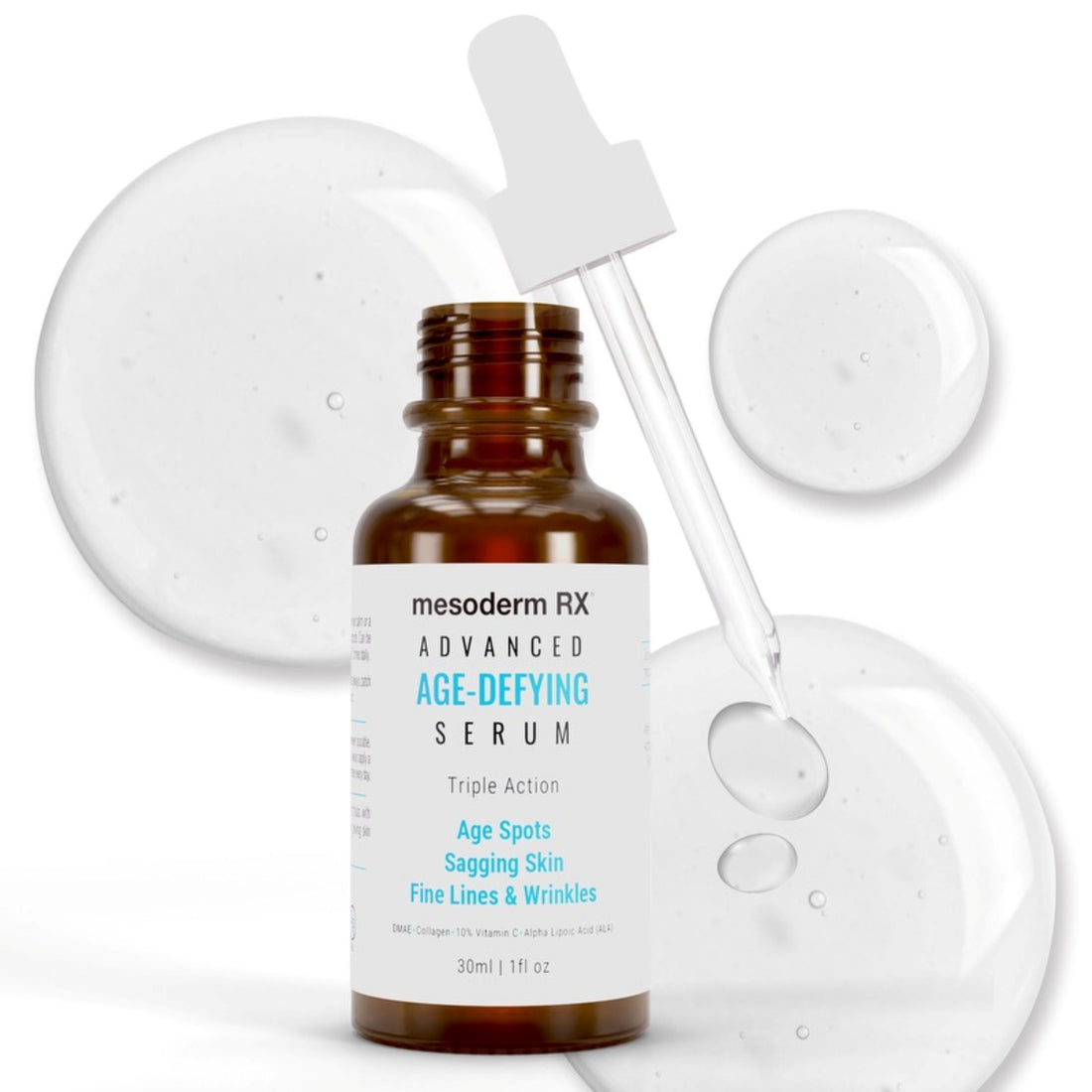
Featured Product
Advanced Triple Action Age-Defying Serum
TURN BACK TIME WITH A SERUM THAT RESTORES, REPAIRS, AND REJUVENATES
Shop Now →The Foundational Ingredients for 30s Skin
Stop looking for one heroic serum. Skin in your 30s responds better to a protocol built around job-specific ingredients: one to regulate renewal, one to limit oxidative injury, and one to correct surface roughness or discoloration when needed.

Cell regulators
Retinoids remain the central treatment because they address the biology that starts slipping first. In practical terms, they help normalize keratinocyte turnover, support collagen signaling, and improve the mix of rough texture, early lines, and photoaging that becomes more visible across this decade.
The trade-off is tolerability. A retinoid that causes persistent burning or scaling is not a strong plan. It is a plan your skin will reject. I usually judge retinoid selection by one question: can this person use it consistently for months, not just for one aggressive week?
That is why strength alone is a poor buying strategy. Stable use beats occasional overuse.
Antioxidant defenders
Vitamin C has a different role. It is used in the morning to reduce oxidative stress from UV exposure and pollution, and it can help with brightness and uneven tone over time. It does not replace sunscreen, and it does not do the same work as a retinoid at night.
Peptides can also fit here, especially for patients who want added support for firmness and texture without increasing irritation load. This explanation of vitamin C, retinoids, and peptides as skincare powerhouses gives a useful ingredient-level overview of how these categories complement each other.
A well-formulated antioxidant serum can be a reasonable daytime option. For example, Ancient Lakes Revitalising Serum is positioned around hydration and skin support, which can fit a broader morning routine if the rest of the regimen already covers renewal and sun protection.
Surface resurfacers
Exfoliating acids are useful, but they should solve a defined problem. AHAs such as glycolic or lactic acid help when dullness, uneven texture, and superficial pigmentation are the priority. BHA is more useful when clogged pores and oil are part of the picture. PHAs suit skin that wants resurfacing but reacts quickly to stronger acids.
People in their 30s often make routines worse. They combine a nightly retinoid, a daily acid, and a strong vitamin C serum, then assume the stinging means the products are working. Usually it means the dose is wrong, the frequency is wrong, or both.
If roughness and discoloration are leading concerns, a blended acid formula can make sense because it spreads the work across multiple exfoliating pathways instead of relying on one very aggressive acid. AHA + BHA + PHA Skin Brightening Serum 30ml combines kojic acid, glycolic acid, lactic acid, salicylic acid, lactobionic acid, hyaluronic acid, and hexapeptides. The catalog describes it as a daily treatment for dark spots and hyperpigmentation that also helps improve skin tone and texture.
Build around roles, not hype
A serum earns its place by covering a role your routine does not already cover.
| Ingredient role | What it targets | Common mistake |
|---|---|---|
| Retinoids | Fine lines, uneven texture, renewal | Starting at a frequency the skin cannot tolerate |
| Vitamin C | Oxidative stress, dullness, uneven tone | Expecting it to do sunscreen's job |
| AHAs, BHAs, PHAs | Roughness, pores, discoloration | Stacking too many exfoliants in the same week |
| Peptides and support actives | Firmness support, recovery, tolerability | Buying them instead of a true primary active |
The highest-efficacy serum plan for your 30s usually includes fewer products than people expect. It is more deliberate.
Supporting Ingredients for Barrier Health and Pigmentation
The serum that gives the fastest visible change is often the one that derails a 30s routine. Skin at this stage usually needs more control, not more intensity. Early collagen decline, slower recovery after irritation, and cumulative UV exposure create a pattern I see often: mild lines, uneven tone, and a barrier that looks fine until actives are layered too aggressively.
Barrier support keeps treatment on the rails.
Once irritation sets in, transepidermal water loss rises, inflammation lingers, and pigment becomes harder to calm. Fine lines also look worse on dehydrated, inflamed skin. Patients then blame the retinoid or the acid, when the problem is the protocol around them.
Three support ingredients do a lot of practical work here:
- Niacinamide helps strengthen barrier function and can reduce the redness and blotchiness that often sit next to early pigment changes.
- Ceramides replace part of the lipid structure that keeps skin from feeling tight, shiny, and reactive after cleansing or exfoliation.
- Hyaluronic acid improves water retention in the upper skin layers. It helps soften the dry, creased look, but it does not rebuild a compromised barrier on its own.
A useful rule in clinic is simple. If a routine stings night after night, the formula is not advanced. It is mismatched to the skin.
Preparation matters too. Harsh cleansing shifts skin pH, increases irritation, and makes active serums less tolerable. A practical guide to why pH balance matters in a skin toner can help if your skin feels stripped before treatment even starts.
Pigmentation also needs a more precise approach than “brightening.” In your 30s, discoloration usually comes from one of three patterns. Sun spots reflect cumulative UV exposure. Melasma is often driven by hormones and worsened by light, heat, and inflammation. Post-inflammatory hyperpigmentation follows acne, picking, or an overly aggressive procedure.
Those patterns overlap, but they do not behave the same way. Melanin production sits at the center, yet the triggers differ. Tyrosinase activity matters. Inflammatory signaling matters. Barrier damage matters too, because irritated skin is more likely to stay discolored.
That is why pigment control in your 30s works better as a system than a single hero serum. Use your primary active to address texture or collagen signaling. Use support ingredients to keep the barrier stable. Add targeted pigment regulators only when discoloration is a real concern, and keep daily sunscreen in place so treatment gains are not lost to ongoing UV exposure.
For 30s skin, the best anti aging serum for 30s is rarely the harshest formula. It is the one that lets you treat fine lines and uneven pigment consistently, without creating enough irritation to worsen both.
How to Select a High-Efficacy Serum
Most serum shopping is driven by marketing language that has little to do with clinical performance. “Clean,” “glowy,” “lifting,” and “age defying” can all sound persuasive while telling you almost nothing about how the formula is built.
A better approach is to evaluate the serum like a formulator would.
What to prioritize
Start with the job of the serum. Is it meant to regulate renewal, provide antioxidant protection, resurface uneven texture, or support barrier repair? If the answer is vague, skip it.
Then look at how many useful roles the formula can perform without becoming irritating. In the 30s, I usually favor synergistic multi-active formulas over a shelf full of disconnected single-ingredient bottles. That doesn't mean every serum needs many actives. It means the formula should be built with a treatment strategy in mind.
A practical checklist:
- Low-irritant design matters more than novelty.
- Fragrance-free formulas are often the better choice when your skin is sensitive.
- Gentler exfoliants can outperform harsher ones if they let you stay consistent.
- Additive control matters. Extra dyes and fragrance rarely improve outcomes.
Expert guidance for 30s routines recommends fragrance-free formulas for sensitive skin and notes that gentler exfoliants such as lactic acid or PHA are preferred when treating early texture changes and hyperpigmentation without over-stripping the barrier, as discussed in this 30s skincare routine guide.
What usually disappoints
Single-ingredient obsession is one problem. The other is buying a serum because the label makes broad cosmetic promises without telling you how the formula fits into a routine.
A hydrating serum won't replace a repair serum. An exfoliating serum won't replace UV protection. A brightening serum won't do much if the skin is inflamed every week from overuse.
A high-efficacy serum earns its place by solving a defined problem and coexisting with the rest of the routine.
If you want an example of how to assess an ingredient-led serum outside the usual hype cycle, the Ancient Lakes Revitalising Serum is worth viewing as a formulation reference point. Not because one product will suit everyone, but because it helps train the eye to look at functional positioning instead of trend language.
The right mindset for product selection
The best anti aging serum for 30s is usually the one that fits into a multi-step protocol with minimal overlap and minimal irritation. If your morning serum protects and your night serum repairs, you're thinking correctly. If every bottle on your shelf does a little of everything and none of them are used consistently, you're not.
Building Your Morning and Night Serum Routine
A good routine in your 30s is built around timing, not wishful layering. Skin faces one set of stressors during the day and does most of its repair work at night, so your serums should follow that biology.

Morning routine for protection
Morning care is defensive. The job is to limit oxidation, reduce inflammation, and prevent pigment from getting reinforced by UV and visible light exposure.
Use this order:
-
Gentle cleanse
Cleanse if you wake up oily, sweaty, or coated in heavy night products. If your skin runs dry or reactive, a water rinse may be enough. -
Antioxidant serum
This is the right slot for vitamin C or another well-formulated antioxidant. The goal is not instant brightness. The goal is daily support against environmental stress while also helping with tone over time. -
Moisturizer if needed
Use it when your sunscreen alone does not keep the skin comfortable. Skip extra layers if they make sunscreen pill or slide. -
Broad-spectrum SPF 30 or higher
Daily sun protection determines how much benefit you get from every corrective serum used at night. If you want a practical explanation of real-world UV exposure, read this guide on whether you can tan with SPF 30.
A morning serum routine should feel boring. That is usually a good sign.
Night routine for repair
Night is where strategy matters. Collagen support, pigment control, and texture improvement do not come from using every active at once. They come from assigning each night a job and repeating that pattern long enough for skin to adapt.
| Night type | Main active | Best for |
|---|---|---|
| Retinoid night | Retinoid or retinol | Fine lines, uneven texture, long-term collagen support |
| Resurfacing night | AHA, BHA, or PHA serum | Roughness, clogged pores, post-inflammatory marks |
| Recovery night | Barrier-focused hydration | Dryness, stinging, redness, active overload |
That separation lowers the odds of irritation and makes it easier to tell what is helping and what is not.
A workable weekly rhythm
Start with a schedule your skin can tolerate, not the one social media rewards. In clinic, the routines that last are usually the simpler ones.
- Use retinoids on set nights, usually two to four nights per week depending on tolerance.
- Keep exfoliating acids on different nights if you are also treating texture or pigmentation.
- Use recovery nights without guilt when the skin feels tight, shiny, hot, or unusually sensitive.
- Wear sunscreen every morning, including on days spent near windows or mostly indoors.
If your skin stays calm for several weeks, increase frequency before you increase strength.
Some patients also pair a serum-based home routine with procedures once the basics are stable. Profhilo and Microneedling insights can help frame where in-clinic treatments fit, but they work best as an addition to a consistent protocol, not a substitute for one.
The best anti aging serum for 30s is rarely a single hero bottle. It is the serum that fits a defined role inside a repeatable system. Morning antioxidant. Night retinoid. Occasional resurfacer. Recovery support when the barrier asks for it.
Common Mistakes That Sabotage Anti-Aging Results
Most anti-aging setbacks in the 30s are self-inflicted. Not because people choose terrible ingredients, but because they use good ingredients in ways that keep the skin inflamed, inconsistent, or unprotected.

Four mistakes that keep showing up
-
Using too many actives at once
Retinoid, exfoliating acid, vitamin C, scrub, and acne treatment in one routine is not “advanced.” It's often barrier injury followed by confusion. -
Ignoring cleansing quality
A harsh cleanser can sabotage every treatment step that follows. If you want a practical primer on removing sunscreen and residue without over-stripping, this piece on understanding oil cleansing science is a helpful reference. -
Treating SPF like an accessory
People spend heavily on pigment and anti-aging serums, then leave the house with inconsistent sun protection. That forces every corrective product to work against ongoing UV damage. -
Expecting rapid transformation
Skin responds through repeated signaling and gradual visible change. Impatient switching prevents a routine from showing what it can do.
The correction
The fix is less glamorous than the mistake. Use fewer actives. Repeat them consistently. Stop trying to “push through” irritation. Match treatment intensity to tolerance, not ambition.
A simple reset often works best:
- Choose one primary night active
- Keep one morning antioxidant
- Use a barrier-supporting moisturizer
- Wear SPF daily
- Evaluate after consistent use, not after impulsive product hopping
Short-term drama often gets mistaken for effectiveness. Redness, tingling, and peeling can mean irritation just as easily as activity.
A Strategic Approach to Aging in Your 30s
The best anti aging serum for 30s is rarely a single hero product. It's a strategic role inside a complete system.
That system is straightforward. Protect in the morning with antioxidants and daily sunscreen. Repair at night with a retinoid-based plan that your skin can tolerate. Resurface when texture and pigment need it, but with enough restraint to keep the barrier intact. Then support the entire protocol with hydration, ceramides, niacinamide, and fragrance-free formulation choices when sensitivity is part of the picture.
That's the shift people need to make in their 30s. Stop asking which serum sounds the most impressive. Start asking which formula solves the specific biological problem in front of you without creating a second one.
If you're also considering procedural support later, these Profhilo and Microneedling insights can help you understand how in-clinic options fit beside topical care.
Your skin in this decade doesn't need panic. It needs structure, consistency, and fewer bad decisions disguised as sophistication.
If you want a routine built around active function instead of marketing noise, explore Mesoderm RX. The brand's approach centers on high-potency, minimal-additive formulas designed to address uneven tone, dark spots, texture, and visible signs of aging with a more practical, system-first mindset.