


The Clinical Authority on Skincare for Uneven Skin Tone
Correcting uneven skin tone requires an approach that goes beyond surface-level treatments. Lasting results are not achieved by masking discoloration, but by regulating the biological processes that create it. This is a clinical strategy focused on correcting cellular behavior, not just treating visible symptoms.
Layer 1: The Biology of Discoloration

To architect an effective solution, you must first understand the mechanism of the problem. Uneven skin tone is the visible outcome of melanogenesis—the skin's pigment production system.
Your skin contains specialized cells called melanocytes. Their function is to produce melanin, the pigment responsible for your skin's color. This process is a natural and protective one.
The Overactivation of Melanin Synthesis
Under normal conditions, melanocytes produce melanin at a baseline rate. However, when triggered by stimuli like UV radiation, inflammation (from acne or injury), or hormonal shifts, this production accelerates.
The key regulator of this process is an enzyme called tyrosinase. When activated, tyrosinase initiates a cascade that rapidly increases melanin synthesis. This excess melanin is then transferred to keratinocytes (your surface skin cells), where it accumulates and becomes visible as hyperpigmentation.
Featured Product
Advanced Triple Action Age-Defying Serum | Firming, Smoothing & Hydration
A powerful anti-aging serum that helps reduce the appearance of fine lines, improve skin firmness, and boost hydration for a smoother, more youthful-looking complexion.
Shop Now →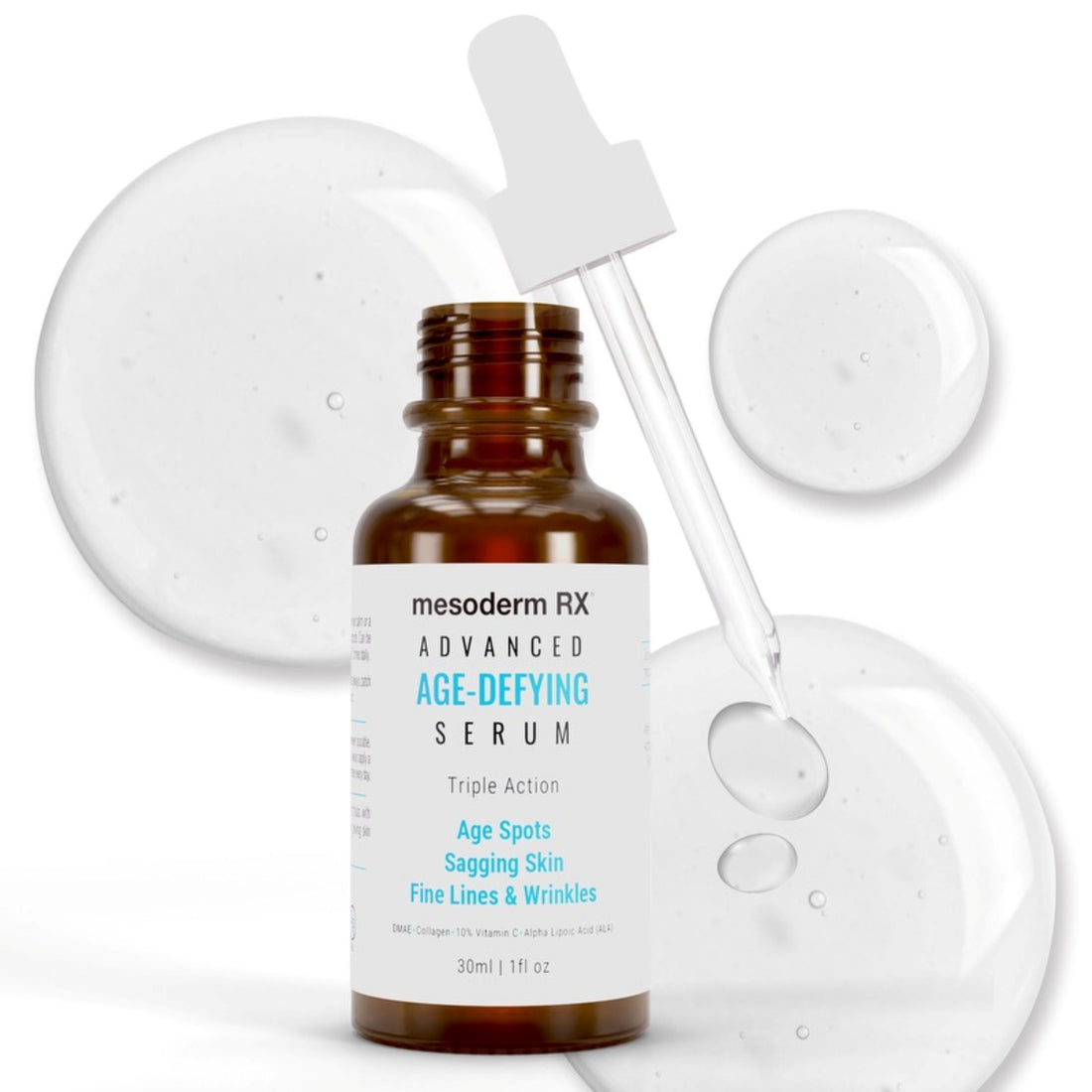
Differentiating the Diagnosis: Not All Spots Are the Same
A primary cause of treatment failure is misdiagnosis. Applying a generic "brightening" product to a specific type of hyperpigmentation is clinically inefficient. Effective treatment starts with precise identification. For a comprehensive analysis, review our guide to hyperpigmentation types and causes.
Clinical Insight: A product that only exfoliates the skin's surface without inhibiting the tyrosinase enzyme is fundamentally flawed. It is akin to mopping a floor while the faucet overflows. True correction requires a dual-pronged strategy: clearing existing pigmented cells while deactivating the cellular mechanism producing new pigment.
Recognizing the distinct signatures of common hyperpigmentation types is the foundational step toward building an effective protocol.
Clinical Comparison of Hyperpigmentation
| Pigmentation Type | Primary Trigger | Clinical Presentation |
|---|---|---|
| Sun Spots (Solar Lentigines) | Chronic UV Exposure | Well-demarcated, flat brown macules on sun-exposed areas (face, hands, décolleté). |
| Post-Inflammatory (PIH) | Cutaneous Inflammation | Macules ranging from pink to brown or gray-black at the site of a prior injury (acne, eczema, abrasion). |
| Melasma | Hormonal Fluctuations & UV | Symmetrical, blotchy brown patches, typically on the cheeks, forehead, and upper lip. |
Each condition necessitates a targeted therapeutic pathway. Solar lentigines demand aggressive antioxidant and photoprotection strategies, while PIH treatment must prioritize anti-inflammatory action to prevent exacerbation. Understanding this biology is the difference between purchasing products and architecting a solution. The objective is not to eliminate pigment—a vital protective element—but to regulate its production for a consistently uniform complexion.
Layer 2: Diagnosing Common Protocol Failures
The frustration of investing in skincare for uneven skin tone with minimal to no visible improvement is common. This failure is rarely due to a lack of effort but rather a flawed strategy rooted in a misunderstanding of skin biology.
Most protocols fail because they are not customized to the specific type of discoloration. Using a routine designed for post-acne PIH to treat hormonal melasma is biochemically ineffective.

The Myth of the "Magic Bullet" Ingredient
The market promotes the concept of a single "hero" ingredient capable of erasing all discoloration. This is a marketing fallacy. Effective treatment of hyperpigmentation demands a multi-pathway approach that addresses the issue from several biological angles simultaneously.
You cannot exfoliate your way out of a pigmentation problem that is actively being created at the cellular level. Real correction requires shutting down the overactive pigment factory—the tyrosinase enzyme—while concurrently clearing existing hyperpigmented cells.
This is the critical error: focusing on the symptom (the surface spot) instead of the root cause (melanin overproduction). A successful protocol must address both.
Critical Errors That Exacerbate Discoloration
Beyond a flawed strategy, specific habits can actively sabotage results and worsen the condition by inducing further inflammation.
- Aggressive Physical Exfoliation: Granular scrubs create micro-trauma and inflammation, directly triggering post-inflammatory hyperpigmentation (PIH). The attempt to scrub away spots stimulates the creation of new ones.
- "Angel Dusting" Formulations: Many products list popular ingredients like Vitamin C or Niacinamide, but at concentrations so low (<1%) they are therapeutically irrelevant. This is a marketing tactic, not a formulation strategy for efficacy.
- Inconsistent Application: Fading hyperpigmentation is a biological process that requires sustained intervention. Skipping applications of tyrosinase inhibitors or sunscreen allows melanocytes to resume overproduction, negating weeks of progress.
The Ultimate Saboteur: Inadequate Photoprotection
The number one reason protocols for uneven skin tone fail is insufficient sun protection. UV radiation is the primary catalyst for melanogenesis. Any therapeutic progress achieved with active ingredients is nullified by unprotected UV exposure.
The belief that SPF is only necessary on sunny days is a catastrophic clinical error. UVA radiation, a key trigger for pigment, penetrates clouds and glass. Without daily application of a broad-spectrum sunscreen with at least SPF 30, any treatment protocol is functionally pointless. Photoprotection is the non-negotiable foundation upon which all other corrective steps depend.
Layer 3: The Protocol That Delivers Clinical Results
A random assortment of products will not yield clinical-grade results. Achieving predictable improvement in skin tone requires a cohesive protocol where each step systematically targets a different aspect of the hyperpigmentation pathway. This is not about using more products; it’s about deploying a system.
The 4 Pillars of a Corrective Protocol
An effective system is built on four essential functions. Together, they dismantle existing discoloration while preventing the formation of new spots.
- Prep & Resurface: Prepare the skin by removing surface debris and initiating the desquamation of pigmented keratinocytes.
- Inhibit & Correct: Deploy concentrated actives to inhibit melanin synthesis at the source and block its transfer to the surface.
- Reinforce & Hydrate: Strengthen the skin barrier to improve tolerance for active ingredients and support cellular repair processes.
- Protect & Defend: Shield the skin from UV radiation, the primary trigger for melanogenesis, to prevent new pigmentation and protect treatment progress.
This structured approach is validated by clinical evidence. A 12-week, double-blind study published in 2026 demonstrated that a four-step system—exfoliating cleanser, antioxidant serum, SPF moisturizer, and a renewing cream—produced statistically significant improvements in skin tone evenness and hyperpigmentation. By week 12, participants showed marked reductions in visible spots, confirming the power of a multi-pronged, systematic regimen. You can review the data in this compelling skincare study.
Step 1: Prep & Resurface
The initial step must do more than cleanse; it must begin the resurfacing process. A cleanser or post-cleanse treatment with a blend of AHAs, BHAs, and PHAs is superior to physical scrubs, which induce inflammatory risk. This multi-acid approach dissolves the bonds holding pigmented dead cells to the surface. A formula like Mesoderm RX's Skin Perfection Liquid Exfoliant utilizes this precise strategy, enhancing the penetration and efficacy of subsequent treatment products.
Step 2: Inhibit & Correct
This is the core therapeutic step. It involves deploying serums concentrated with tyrosinase inhibitors and melanin transport blockers to interrupt the pigmentation cascade. A formula combining L-Ascorbic Acid (Vitamin C) and Niacinamide represents a powerful clinical synergy. Vitamin C provides antioxidant defense and directly inhibits tyrosinase activity. Niacinamide then works to block the transfer of newly synthesized melanin to the skin's surface. This dual-action blockade is fundamental to an advanced protocol for uneven skin tone.
Step 3: Reinforce & Hydrate
Barrier integrity is critical for tolerating a high-potency active ingredient protocol. A compromised barrier leads to irritation, inflammation, and potentially more hyperpigmentation. A moisturizer with ingredients like ceramides and hyaluronic acid reinforces the skin's lipid matrix, building resilience and enabling the skin to benefit from potent actives without adverse reactions.
Step 4: Protect & Defend
This final step is the most critical for long-term success. Daily photoprotection is mandatory. UV radiation is the primary signal for melanocytes to initiate melanin overproduction. Applying a broad-spectrum sunscreen with an SPF of 30 or higher every morning is the most vital component of any skincare for uneven skin tone. This defensive measure stops the pigmentation cycle at its origin, allowing the corrective products to deliver lasting results.
Protocol Modification: Sensitive or Reactive Skin
The same principles apply, but with a modified, gradual approach.
- Prioritize PHAs: Begin with Poly-Hydroxy Acids instead of higher-strength AHAs. Their larger molecular size reduces penetration depth and minimizes irritation potential.
- Introduce Actives Sequentially: Start with your treatment serum three times per week. Allow the skin to acclimate before increasing frequency.
- Utilize Buffering: Apply a simple, non-occlusive moisturizer before your active serum. This creates a permeable buffer that modulates the ingredient delivery rate, reducing intensity while preserving efficacy.
The Non-Negotiable Step: Daily Photoprotection

No corrective serum or peel can succeed without rigorous, daily sun protection. It is the single most critical element of any protocol for uneven skin tone. Without it, you are actively undermining your own treatment.
UV radiation is the primary activator of melanogenesis. Skipping sunscreen is functionally equivalent to attempting to repair a wall while it is actively being damaged. The cycle of pigment production never ceases.
Mineral vs. Chemical: Selecting the Optimal Shield
Sunscreens are classified by their mechanism of action.
-
Mineral (Physical) Sunscreens: Utilize inorganic filters like Zinc Oxide and Titanium Dioxide. They form a physical barrier on the skin that reflects and scatters UV radiation. For pigmentation-prone individuals, Zinc Oxide is the superior choice. It offers broad-spectrum protection and possesses anti-inflammatory properties, helping to suppress a key trigger for PIH.
-
Chemical (Organic) Sunscreens: Employ organic compounds that absorb UV radiation and convert it into a negligible amount of heat. While often cosmetically elegant, some filters can be sensitizing, particularly for compromised or post-procedure skin.
Clinical Recommendation: For any serious hyperpigmentation protocol, a mineral sunscreen featuring Zinc Oxide is the preferred option. Its physical blocking mechanism provides robust defense against a wide spectrum of UVA/UVB rays with a lower risk of irritation, directly addressing the primary cause of hyperpigmentation.
The Rules of Application Are Not Suggestions
Correct and consistent application is what separates failure from transformation. An unbroken shield against UV is the goal. A broad-spectrum SPF 30 or higher is the minimum requirement.
Adherence to these application standards is mandatory for achieving the labeled protection factor.
-
Apply the Correct Dosage: The vast majority of users under-apply sunscreen by 50-75%. Achieving the stated SPF requires approximately two milligrams of product per square centimeter of skin, which translates to a nickel-sized dollop for the face alone.
-
Reapply Consistently: Sunscreen efficacy degrades over time. Reapplication is required at least every two hours during direct exposure and immediately after swimming or significant perspiration. You can learn more about how protection levels work over time by reading about whether you can tan with SPF 30.
-
Account for Incidental Exposure: The melanocyte-stimulating UVA rays penetrate glass. Daily, cumulative exposure during commuting or sitting near a window is a significant and often-overlooked factor in persistent hyperpigmentation.
Sun protection is the foundation of the protocol. It is the single variable that ensures your investment in active ingredients yields a tangible and lasting return.
The Final Analysis: Your Path to a Clear Complexion
Achieving an even skin tone is not a matter of chance; it is a matter of strategy. It is a repeatable, science-backed process that replaces guesswork with predictable results. The entire methodology condenses into three core directives.
- Pinpoint the Root Cause: A treatment plan for solar lentigines is clinically distinct from one for post-inflammatory hyperpigmentation or melasma. An accurate initial diagnosis is the most critical variable for success.
- Cease Ineffective Practices: This means eliminating abrasive physical scrubs and "angel-dusted" formulations with sub-therapeutic concentrations of active ingredients. You cannot mechanically exfoliate a problem that is being metabolically fueled by inflammation and unprotected UV exposure.
- Implement a Structured System: This is the core of our philosophy. A single product addresses one part of the problem. A true clinical protocol attacks hyperpigmentation from multiple biological angles simultaneously—accelerating cell turnover, inhibiting the tyrosinase enzyme, and blocking melanin transfer. This system-based approach is what drives real, lasting change.
The Mesoderm RX Philosophy: More Actives, Less Additives
This structured, evidence-based approach is the logical conclusion for anyone serious about achieving genuine improvement. It leads directly to the Mesoderm RX formulation philosophy: 'More Actives, Less Additives'. We formulate with clinically validated ingredients at therapeutic concentrations, while eliminating unnecessary fillers, fragrances, and common irritants that can impede results.
Real improvement is measured in skin cycles—weeks and months, not days. Patience and consistency are paramount. Every product in your protocol must have a specific function, working in synergy to regulate pigment and restore clarity. This knowledge is what moves you from a cycle of trial and error onto a direct path toward the even-toned complexion you seek.
We are so confident in this methodology that every Mesoderm RX purchase is backed by our 60-day money-back guarantee. You have the strategy. You have the tools. Now you can begin with absolute confidence.
Frequently Asked Clinical Questions
A new protocol for uneven skin tone invariably raises questions. Here are direct, evidence-based answers.
How Long Until I See Clinical Improvement?
While initial improvements in skin radiance may be observed in 2-4 weeks from surface exfoliation, significant reduction in hyperpigmentation requires 8-12 weeks of consistent use. This timeline aligns with the skin's natural renewal cycle (approximately 28 days or longer). Deeper or more persistent conditions like melasma may require several months of sustained treatment. Consistency—particularly with photoprotection—is the most critical factor influencing the timeline.
Can Vitamin C, AHAs, and Retinoids Be Used in the Same Protocol?
Yes, and for optimal results, they should be. However, they must be deployed strategically, not simultaneously.
- Morning (AM): Apply Vitamin C serum to clean skin. Its primary function here is antioxidant defense against daytime environmental aggressors.
- Evening (PM): Alternate your resurfacing agents. Use an exfoliating acid (AHA/BHA) on one night, and a retinoid on the next. Never use them in the same evening routine.
The Cardinal Rule: Never layer high-strength exfoliating acids and retinoids in the same application unless they have been expertly formulated into a single, stable product by a cosmetic chemist. Self-layering is a direct path to barrier compromise and inflammation, which will worsen hyperpigmentation.
Are Potent Actives Safe for Darker or Sensitive Skin Tones?
Yes, provided they are introduced with caution. A "start low and go slow" approach is non-negotiable. Ingredients like niacinamide, azelaic acid, and PHAs are generally well-tolerated across all skin types.
Begin with a lower concentration active just 2-3 times per week. Allow several weeks for skin acclimation before increasing frequency. Always select fragrance-free formulations, as fragrance is a common sensitizer that can trigger the inflammatory response you are trying to prevent. This is why all Mesoderm RX products are formulated without it.
Is Daily Sunscreen Application Truly Necessary?
Yes. It is the most critical component of the entire protocol. Your corrective serums are the offense, but sunscreen is the defense. Without a strong defense, you cannot win.
UV radiation is the primary trigger for melanin synthesis. It is present regardless of clouds, season, or indoor location (UVA penetrates glass). Without daily, broad-spectrum SPF 30+, the pigment production your active ingredients are working to suppress will be continuously re-stimulated. The protocol becomes futile.
At Mesoderm RX, we build our formulas on the 'More Actives, Less Additives' principle. This means potent, science-first systems designed to give you the results you’re looking for, without the fluff. Start your journey to a clearer complexion with confidence by exploring our clinically formulated skincare at https://www.mesodermrx.com.