


Expert Tips: How to Get Rid of Hyperpigmentation Down There
You’ve probably already tried the obvious things. A brightening cream from a marketplace. A scrub that promised “polished” skin. Maybe even a DIY fix that stung enough to feel like it was doing something. Then the darkness on the bikini line, inner thighs, vulvar perimeter, or perianal skin either didn’t budge, or came back.
That pattern is common because intimate hyperpigmentation usually isn’t a stain sitting on top of the skin. It’s a pigment response. The skin gets irritated, melanocytes react, tyrosinase activity rises, and melanin production increases in an area that already deals with constant friction, heat, sweat, hair removal, and occlusion.
If you want to know how to get rid of hyperpigmentation down there, stop thinking in terms of one miracle spot treatment. Think in terms of a controlled system. Calm the triggers. Regulate pigment production. Remove excess surface pigment gradually. Protect the barrier so the cycle doesn’t restart.
Understanding Intimate Hyperpigmentation Biologically
Intimate hyperpigmentation is most often a form of post-inflammatory hyperpigmentation, or PIH. That matters because PIH behaves differently from freckles, sun spots, or melasma. It starts with a trigger. In this area, the usual triggers are friction, shaving irritation, ingrown hairs, hormonal shifts, and repeated low-grade inflammation.
The skin responds defensively. Melanocytes, the cells that produce pigment, increase melanin output. The enzyme tyrosinase helps drive that process. Once inflammation signals the skin that it has been stressed, the pigment pathway can stay active longer than the original irritation itself.

What’s actually happening in friction-prone skin
Intimate skin sits in a difficult environment. It rubs against fabric. It traps moisture. It gets exposed to hair removal trauma. That combination makes it especially vulnerable to repeated micro-injury.
Each time the skin gets inflamed, even mildly, it can produce more pigment as part of the repair response. That’s why darkening often appears gradually. Many people don’t notice a single event. They notice a slow shift in tone over time.
A broader overview of pigment disorders helps here. This guide on what hyperpigmentation is, what causes it, and how to treat it effectively gives useful context for how different forms of pigmentation develop.
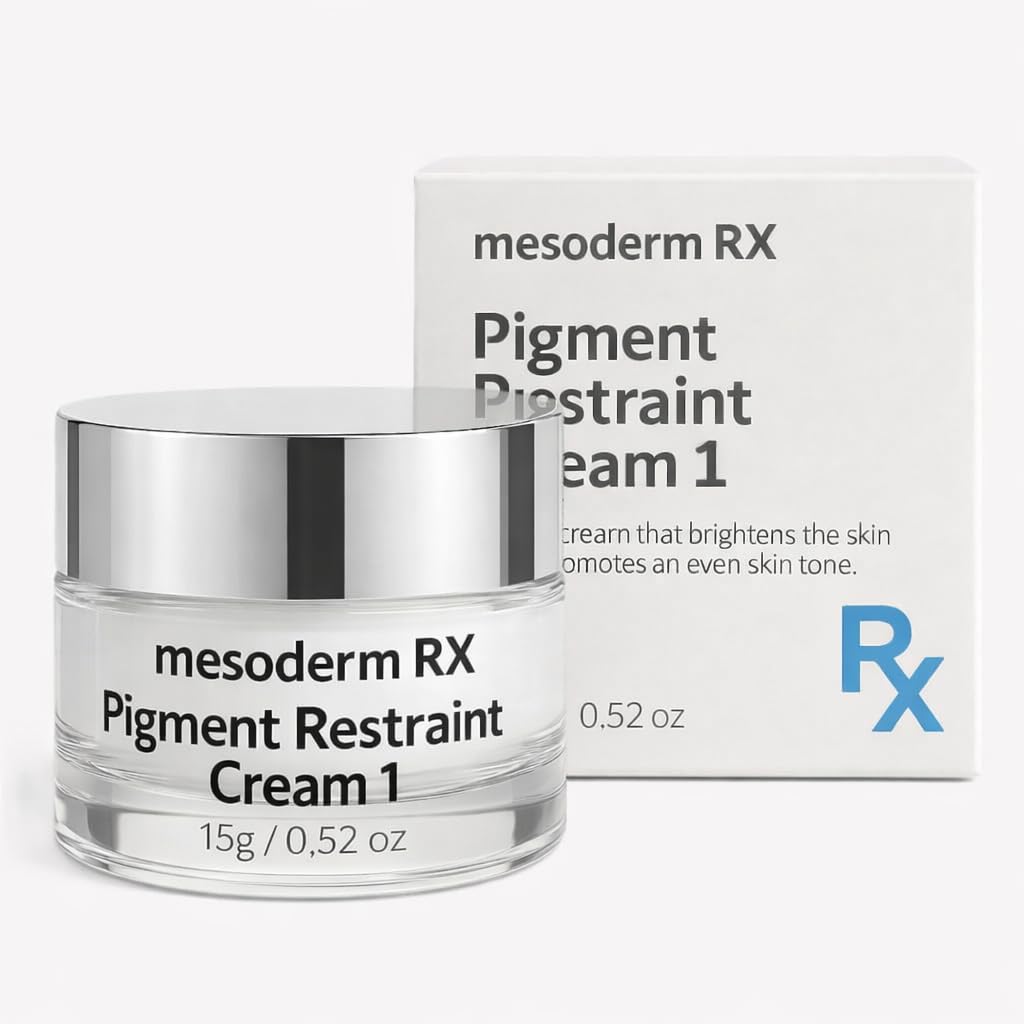
Featured Product
Pigment Restraint Cream 1 | Hyperpigmentation & Tone Correction
A gentle formula that helps reduce the appearance of hyperpigmentation and uneven skin tone, promoting a clearer, smoother, and more balanced complexion with consistent use.
Shop Now →Why scrubbing doesn’t fix a biological signal
People often assume darker skin in this area means pigment is just “built up” and needs to be exfoliated away. That’s incomplete. Some excess pigment does sit in the upper layers of skin, but the underlying issue is a signaling problem. If friction and irritation continue, melanocytes keep being told to make more pigment.
Clinical point: Intimate hyperpigmentation improves when you treat the cause of pigment signaling, not when you assault the surface.
That’s why a smart plan uses three levers at once:
- Reduce inflammation and friction
- Slow pigment formation at the enzyme level
- Encourage controlled skin turnover without damaging the barrier
Common causes are real, not cosmetic failures
This kind of darkening is common across skin tones, but it tends to be more persistent when melanocytes are more reactive. Hormonal fluctuations can also amplify pigment production. Friction from walking, exercise, tight underwear, shapewear, or repeated shaving often keeps the process going.
The important shift is this. Dark intimate skin usually isn’t dirty skin, neglected skin, or proof that you’re doing something wrong. It’s skin responding to stress in the only way it knows how.
Once you understand that, the treatment strategy gets much clearer.
Why Common Home Remedies and Treatments Fail
Most failed attempts have one thing in common. They focus on lightening the mark while ignoring the mechanism that created it. That’s why people bounce from product to product and get stuck in a cycle of irritation, temporary improvement, and rebound darkening.
The worst offenders are usually the ones that feel the most aggressive.

DIY acids and kitchen remedies create more inflammation
Lemon juice is a classic example. People reach for it because it sounds natural and acidic. On intimate skin, that logic falls apart fast. The area is more reactive, more easily disrupted, and less forgiving than the arm or leg.
Baking soda is no better. It pushes pH in the wrong direction and can impair barrier function. Harsh physical scrubs add another layer of trauma by creating friction on skin that is already dark because of friction.
These methods don’t regulate melanocytes. They provoke them.
Putting an irritating substance on pigment-prone skin may make the area look raw before it ever looks brighter. That isn’t progress. That’s a warning sign.
“Whitening” creams often fail because they’re incomplete
A single brightening cream can help, but only if the rest of the routine stops feeding the problem. If someone applies a pigment inhibitor at night and then keeps shaving dry, wearing tight synthetic underwear, and using fragranced body products, the pigment pathway never settles down.
Many over-the-counter products underperform. Not because brightening ingredients are useless, but because a lone product can’t overcome constant re-injury.
Here’s what usually goes wrong:
- The formula is too harsh and triggers more irritation than correction.
- The formula is too weak and never reaches a useful level of activity.
- The user applies it inconsistently because the area becomes dry or stings.
- The root trigger stays active through friction, ingrowns, or poor hair removal habits.
Over-exfoliation is one of the most common mistakes
Exfoliation helps when it’s controlled. It backfires when used as punishment. People often assume more rubbing, more acids, or more frequent treatments will speed things up. In intimate skin, over-exfoliation usually means barrier disruption.
Once the barrier is compromised, several things happen at once:
| Mistake | What it does to the skin | Likely outcome |
|---|---|---|
| Scrubbing aggressively | Increases mechanical irritation | More inflammation and darker rebound pigment |
| Using strong acids too often | Weakens barrier tolerance | Stinging, dryness, inconsistent use |
| Layering too many actives | Overloads sensitive tissue | Irritant dermatitis and more PIH |
| Ignoring friction | Keeps the trigger active | Slow or temporary results |
Hair removal is often the hidden driver
If the darkening sits exactly where you shave, wax, or get recurrent ingrowns, the pattern is telling you something. Repeated micro-cuts, follicular irritation, and post-shave inflammation can maintain PIH for months.
That’s why some people say, “Nothing works.” What they mean is, “Nothing works while I keep injuring the same skin.”
Why random social media advice keeps underdelivering
Most viral advice treats this area like it can tolerate facial-level experimentation or body-level abrasion. It can’t. Intimate skin requires low-irritation chemistry, careful frequency, and a barrier-first mindset.
The trade-off is simple. Fast, harsh methods usually carry a higher risk of worsening the discoloration. Slower, controlled methods tend to be safer and more sustainable.
If your previous attempts haven’t worked, that doesn’t mean the pigmentation is untreatable. It usually means the treatment plan was incomplete, too aggressive, or disconnected from the biology of the problem.
The Clinically Sound At-Home Protocol
The most reliable at-home plan uses a system, not a single hero product. The system has four jobs. Clean without stripping. Exfoliate without provoking inflammation. Inhibit pigment formation. Keep the barrier strong enough that the skin can tolerate treatment long enough to improve.
Here’s the visual framework.

Pillar one uses gentle cleansing and low-trauma prep
Start with cleansing that removes sweat, residue, and occlusive buildup without leaving the skin tight. You don’t want foaming detergents, strong fragrance, or products marketed for “deep purification.” Those usually overshoot.
Your cleanser should do one thing well: leave the skin clean enough for actives to absorb, while preserving baseline comfort. If the area feels squeaky, dry, or hot after cleansing, that product is too aggressive for a pigmentation protocol.
A useful rhythm looks like this:
- Cleanse gently once daily if the area is not heavily occluded.
- Cleanse after sweating when sweat and friction have been high.
- Pat dry, don’t rub because towel friction counts too.
Pillar two corrects existing pigment with targeted actives
At-home brightening works best with ingredients that interrupt melanin production gradually rather than forcing an inflammatory peel effect. According to guidance on dark spots on the bikini line, topical brightening agents and consistent skincare routines can help, with ingredients like vitamin C, niacinamide, and retinoids fading dark spots over weeks to months when paired with exfoliation and SPF. The same source notes that serial kojic acid peels produced 75% brightness gains and 83% contrast reduction, while daily topicals can help prevent discoloration, especially after shaving or friction.
That gives you the right framework. For intimate skin, the key is choosing brighteners that are effective and tolerable.
Ingredient classes worth considering
-
Niacinamide
Useful when pigmentation and barrier weakness coexist. It supports a calmer skin environment and fits well in long-term maintenance. -
Azelaic acid
A smart option when inflammation, bumps, and post-shave marks sit alongside uneven tone. It can be helpful for skin that darkens after follicular irritation. -
Alpha arbutin
Often chosen when the goal is pigment regulation with a gentler profile than harsher bleaching approaches. -
Vitamin C derivatives
Better suited when the formulation is stable and non-irritating. The intimate area is not the place for unstable, highly reactive acid cocktails. -
Retinoids
These can support turnover, but they need extra caution in delicate areas because irritation can erase the benefit.
If you want a broader ingredient-level reference, this overview of best ingredients for hyperpigmentation is a useful companion for understanding why some brighteners are more appropriate than others.
Pillar three uses controlled exfoliation, not aggression
Exfoliation has one purpose here. It helps clear pigment retained in upper skin layers and improves penetration of brightening actives. It should never leave the area raw.
For intimate skin, the safest strategy is usually lower-frequency chemical exfoliation rather than scrubs. PHAs and milder lactic-acid approaches tend to be easier to tolerate than stronger resurfacing blends used on the face or body. Glycolic acid can work for some people, but it’s easier to overdo in this location.
Practical rule: If an exfoliant makes the area burn, peel heavily, or stay red, it’s not “working better.” It’s too strong for the tissue you’re treating.
A practical cadence often looks like this:
- Begin one to two nights per week with a gentle exfoliant.
- Watch the skin for several days, not just the first hour.
- Increase only if there is no persistent sting, scaling, or tenderness.
Pillar four protects the barrier so treatment can continue
Barrier support isn’t the “extra” step. It’s the step that keeps all the others possible. Without it, even well-chosen actives become hard to tolerate.
Look for moisturizers or treatment-adjacent products that support comfort and reduce friction. The formula matters almost as much as the active ingredients. Avoid heavy fragrance, added dyes, and unnecessary sensitizers.
Here’s a simple comparison.
| Ingredient Class | Safe & Effective Look for these | Harsh & Risky Avoid these |
|---|---|---|
| Exfoliants | PHAs, low-strength lactic acid used conservatively | Harsh scrubs, overly strong acid layering |
| Brighteners | Niacinamide, azelaic acid, alpha arbutin, well-formulated vitamin C derivatives | Unsupervised bleaching approaches that irritate delicate skin |
| Retinoid category | Low-frequency, carefully introduced retinoid use if tolerated | Daily aggressive retinoid use on reactive skin |
| Supportive formula choices | Fragrance-free, dye-free, barrier-supportive bases | Added fragrance, dyes, sensitizing cosmetic extras |
For readers who like to watch technique and routine logic in action, this walkthrough is useful before you build your own regimen.
A weekly structure works better than random application
People get better results when they stop improvising. A stable weekly routine reduces the odds of over-treatment.
A simple structure might look like this:
-
Most days
Gentle cleanse, pigment-regulating treatment, barrier-supporting moisturizer. -
Exfoliation nights
Cleanse, gentle exfoliant, then moisturizer. Skip additional strong actives that night if the skin is easily irritated. -
After hair removal or friction-heavy days
Prioritize calming and moisturizing first. Resume stronger actives only when the skin is comfortable.
What to leave out
A lot of intimate pigmentation worsens because the formula list is too crowded. Leave out products that are exciting on social media but poorly suited to reactive skin.
Avoid:
- Fragranced body care
- Dyes and decorative additives
- Harsh bleaching shortcuts
- Physical scrubs
- Multiple strong acids in one session
The best at-home protocol is boring in the right way. It’s repeatable. It doesn’t create drama. It lowers pigment signaling, clears existing discoloration gradually, and keeps the area calm enough to stay on plan.
Application Technique and Safety First
Good ingredients can still fail if the application is sloppy. Intimate skin rewards precision. That means smaller amounts, slower introduction, and closer attention to response than you’d use on sturdier body skin.
Patch testing needs to be non-negotiable
Every new product should be patch tested before full use. Choose a nearby but less sensitive area first, then reassess before applying broadly. Watch for more than immediate burning. Delayed irritation matters too.
A responsible patch test checks for:
- Persistent redness
- Rising itch
- Swelling
- Dry, shiny, overstripped skin
- Tenderness that lingers into the next day
If those show up, stop. Don’t try to “push through” because the product is expensive or highly rated.
Use less product than you think
Overapplication is common. A thin, even film is enough. Thick layers don’t make a pigment inhibitor work faster. They just increase the chance of irritation and wasted product.
Order matters too. In most routines, use products from thinnest to thicker textures, unless the formula specifically instructs otherwise. Let each layer settle before the next one.
Mild, brief tingling can happen with active skincare. Ongoing burning, escalating heat, and visible inflammation are not acceptable trade-offs.
Build frequency before you build intensity
If the skin has never tolerated brightening actives in this area, start with alternate nights or even fewer applications. The goal is not to impress yourself with intensity. The goal is to stay consistent for long enough to alter the pigment pattern.
That’s especially important if you’re using a targeted brightening formula for the bikini line or inner thighs. Many people do better when they begin with a small amount a few nights per week, then increase only after the area remains calm. If you’re evaluating a purpose-built option, this bikini line and inner thigh brightening cream shows the type of targeted category to look for.
Know the difference between adjustment and injury
A lot of bad outcomes happen because people misread early warning signs. They assume irritation is normal, continue applying the product, and create a fresh round of PIH.
Use this quick distinction:
| Skin response | Usually acceptable | Usually a stop sign |
|---|---|---|
| Brief mild tingling | Yes | No |
| Softness and smoother texture over time | Yes | No |
| Temporary dryness that resolves with reduced frequency | Sometimes | No if worsening |
| Sharp burning | No | Yes |
| Redness that persists | No | Yes |
| Cracking, peeling, or rawness | No | Yes |
Timelines should be realistic
At-home pigmentation care takes patience. The source cited earlier notes that topical brightening agents often work over weeks to months when used consistently with exfoliation and SPF. That’s the right expectation. If someone promises dramatic overnight lightening in intimate skin, they’re either overselling or encouraging a risky level of irritation.
The skin also won’t improve in a straight line. You may see periods where texture improves before color does, or where progress stalls until friction control gets better.
What matters is the trend. Less irritation. Fewer new dark marks. Gradual softening of contrast. Better tolerance over time.
Prevention and Advanced In-Office Options
Some cases respond well to disciplined home care. Some don’t. Thick, long-standing, or recurrent pigmentation may need in-office treatment, especially when the discoloration sits deeper or keeps returning despite a careful routine.
That doesn’t mean home care was pointless. It means the case needs a stronger tool, applied by someone who understands skin type, sensitivity, and pigment risk.

When peels and lasers make sense
For more resistant intimate hyperpigmentation, professional peels and pigment lasers can be effective. A review of treatment approaches for intimate pigmentation notes that chemical peels such as Dermamelan Intimate often show visible improvement after 2 to 4 sessions, and a related kojic acid peel study found brightness increased in 75% of patients, contrast reduced in 83%, and homogeneity improved in 67%. The same review also notes that Q-switched Nd:YAG laser therapy at 1064 nm showed 85 to 95% improvement after 3 to 6 sessions for refractory cases in intimate areas, as described in this discussion of why lasers can work better than creams or peels in resistant cases.
Those numbers don’t mean everyone should jump to lasers. They mean persistent cases may benefit from medical escalation.
Choosing between home care and procedures
A practical way to think about it:
- Choose home care first when the pigment is mild to moderate, recent, and clearly linked to friction or shaving.
- Consider peels when superficial discoloration needs a stronger reset under professional supervision.
- Consider laser when pigment is stubborn, recurrent, or less responsive to topical care.
Microneedling is also used in some settings for tone and texture support, with improvement often appearing over 4 to 6 weeks according to the clinical overview on private-area hyperpigmentation treatments. It’s not the first thing I’d reach for in every case, but it belongs in the conversation when texture and pigment coexist.
Prevention is what keeps results from unraveling
Correcting pigment without changing the trigger is maintenance failure waiting to happen. Prevention matters as much as treatment.
The most useful preventive shifts are practical:
- Reduce friction with softer, looser, breathable fabrics.
- Reassess hair removal if shaving repeatedly leaves bumps and dark marks.
- Moisturize routinely to lower chafing stress.
- Avoid fragranced products on the area.
- Protect exposed bikini-line skin from UV when it will see sun.
If you want a broader clinical overview of effective ways to address PIH, that resource is worth reading alongside any intimate-care plan because the same inflammatory logic applies.
Sun protection still matters
People often forget the bikini line can be sun-exposed at the beach, pool, or during outdoor exercise in minimal coverage. UV exposure can reinforce pigment pathways and make correction harder. If exposed skin is part of the pattern, sunscreen isn’t optional.
This is especially relevant if you’re trying to prevent recurrence after brightening. A practical primer on whether you can tan with SPF 30 helps explain why protection still matters even when skin darkening doesn’t happen as a visible burn.
The most expensive way to treat intimate hyperpigmentation is to treat it successfully once, then keep doing the exact things that caused it.
The long-term view
The people who maintain clearer, more even tone usually aren’t the ones using the most products. They’re the ones who remove the constant triggers. Less friction. Better hair removal habits. Fewer irritants. More disciplined follow-through.
That’s how you stop chasing pigment and start controlling it.
Your Path to Lasting Clarity and Confidence
If you want to know how to get rid of hyperpigmentation down there, the answer is rarely a bleach, a scrub, or a shortcut. It’s a controlled correction plan built around skin biology.
The darkening forms because pigment cells respond to irritation. That means the fix has to do more than fade color. It has to lower inflammation, slow tyrosinase-driven pigment formation, improve turnover carefully, and protect the barrier so the skin can heal without creating new marks.
That’s also why random spot treatments disappoint so often. They target the visible patch and ignore the cycle that keeps feeding it. Friction, shaving trauma, over-exfoliation, fragranced products, and poor maintenance can undo even a good brightening formula.
A better approach is steady and specific. Use gentle cleansing. Add targeted brightening actives that the area can tolerate. Exfoliate conservatively. Watch your skin closely. Prevent recurrence by changing the conditions that created the discoloration in the first place.
Results usually come from consistency, not force.
If the pigment is persistent, deep, or repeatedly inflamed, get assessed professionally. If it’s manageable at home, stay disciplined and don’t sabotage the process with harsh DIY experiments. Clearer, more even intimate skin is a realistic goal when the routine respects the biology of the area.
Mesoderm RX builds skincare around that exact philosophy: high-potency actives, minimal additives, and routines designed to brighten, smooth, and protect without relying on harsh shortcuts. If you want a cleaner path to addressing dark spots, uneven tone, and intimate-area discoloration, explore Mesoderm RX for targeted formulas that fit a barrier-conscious, results-driven protocol.